THE DOUGLAS ADAMS EDITORIAL SERIES
Exceptional properties. Stories with a sense of place.
Quick Answer
The best way to price a home in Bay St. Louis is to evaluate current comparable sales, relevant pending sales, and active competing listings, then account for meaningful differences in location, waterfront access, lot characteristics, condition, renovation quality, size, elevation, flood exposure, insurance considerations, and overall utility.
One neighboring sale is not enough to establish value. A credible pricing recommendation should reflect current market evidence and the alternatives buyers are considering—not a seller’s desired proceeds or one attention-grabbing sale.
One of the most common pricing mistakes I see in Bay St. Louis is treating one nearby sale as the answer.
It rarely is.
In a coastal market where buyer demand and property characteristics can change from one street to another, pricing requires more discipline than simply identifying the closest house that sold and matching its price.
For sellers, the important question is not what a home should bring in theory. It is where that home fits in today’s market compared with the properties buyers are considering now.
If you are asking how to price a home in Bay St. Louis, begin with current market evidence, identify the most relevant comparable properties, and account for the features that materially influence buyer demand.
Why One Neighboring Sale Is Not a Pricing Strategy
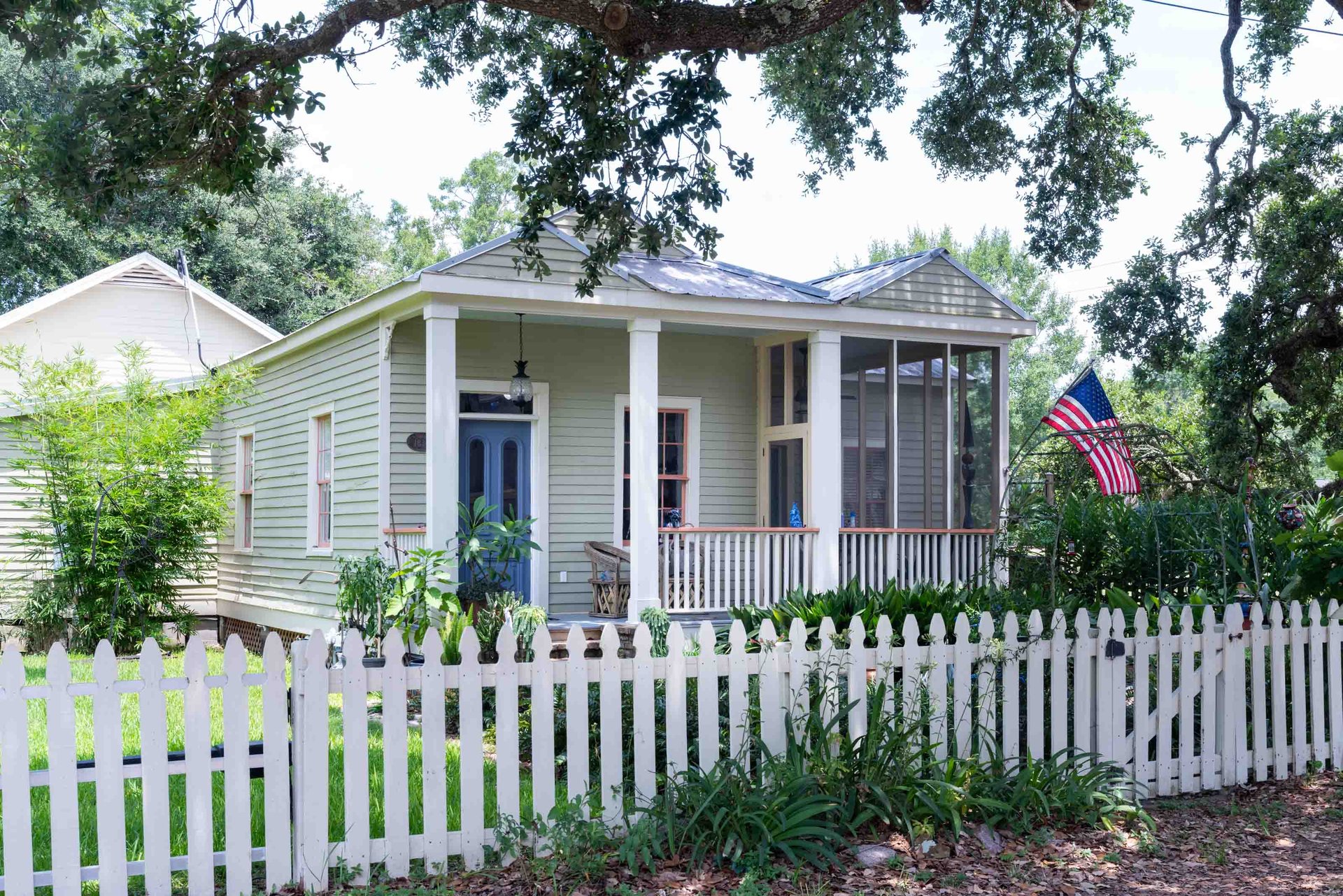
A neighboring sale may be relevant, but it should never become the entire pricing argument. Even homes that appear similar at first glance can differ in ways that matter to buyers.
Was the neighboring property directly on the water, or was it simply near the water? Did it offer a better view, more usable waterfront access, a larger lot, greater elevation, or a more functional layout? Had it undergone substantial renovations, received primarily cosmetic updates, or sold largely as-is?
The answers help determine whether that sale is truly comparable.
Location alone does not make two properties equivalent. The strongest pricing analysis considers several comparable sales and then examines how the subject property differs from each one.
What Influences Home Value in Bay St. Louis?
A useful pricing analysis looks beyond square footage and bedroom count. In Bay St. Louis, a home’s market position can be shaped by several property-specific factors.
Location Within the Market
Not every Bay St. Louis address competes for the same buyer.
Proximity to Old Town, the beach, waterfront amenities, restaurants, entertainment, or quieter residential settings can affect demand. Even within the same general area, buyers may respond differently to traffic patterns, surrounding properties, views, and access.
Waterfront Access and Orientation
Waterfront property is not one uniform category.
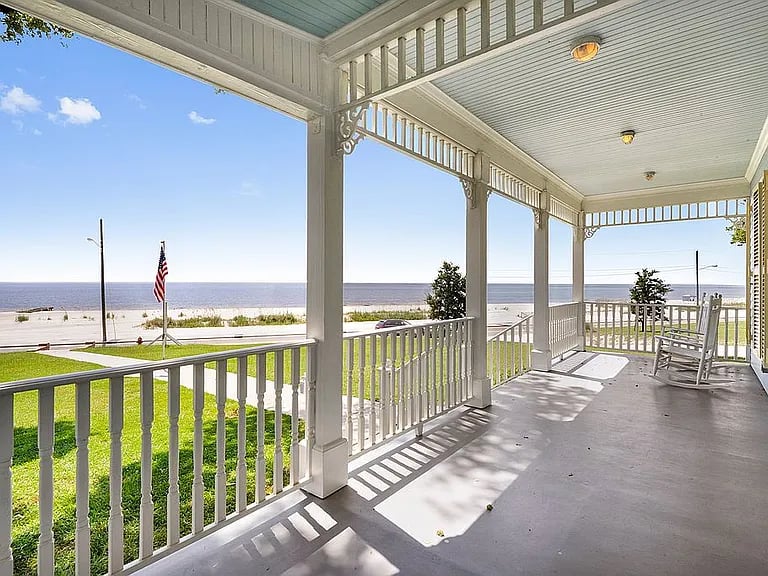
Direct access, water depth where relevant, frontage, views, orientation, setbacks, bulkheads, docks, and the practical usability of the waterfront can all influence buyer appeal. Two homes described as waterfront may offer very different ownership experiences.
Lot and Site Characteristics
Lot size, configuration, drainage, elevation, privacy, trees, parking, and outdoor functionality all contribute to how buyers perceive a property.
A larger lot is not automatically more valuable if its shape or site conditions limit its usefulness. The real question is how the land supports the home and the way a buyer expects to use it.
Condition and Renovation Quality
Buyers distinguish between a home that has been cosmetically refreshed and one that has undergone substantial, well-executed improvements.
New paint and finishes may improve presentation, but they are not equivalent to updated systems, structural work, quality construction, or thoughtful renovation. The scope and quality of the work matter—not simply how recently it was completed.
Size, Age, and Functional Utility
Bigger does not always mean better.
Buyers also consider layout efficiency, storage, parking, usable living areas, bedroom placement, outdoor connections, and how comfortably the home functions from day to day.
A smaller home with an effective floor plan may compete very well against a larger property with awkward or underused space.

Elevation, Flood Exposure, and Insurance Considerations
These issues require property-specific investigation in any coastal market.
Homes that appear similar may have different elevation characteristics, flood-zone designations, prior claims histories, mitigation features, or insurance considerations. Those differences can affect both buyer confidence and the anticipated cost of ownership.
Flood mapping and insurance availability should be verified for the individual property. Neither should be assumed from the neighborhood name or the experience of a nearby owner.
Why the Timing of Comparable Sales Matters
An older sale may still provide useful context, but it should not automatically be treated as evidence of present value.
Markets change. Inventory expands or contracts. Mortgage rates affect purchasing power. Buyer demand shifts, and competing properties enter or leave the market.
Fannie Mae’s appraisal guidance requires appraisers to analyze whether market conditions changed between a comparable property’s contract date and the effective date of an appraisal. When a time adjustment is warranted, it must be supported by market evidence.
I am not an appraiser, and a comparative market analysis is not an appraisal. However, the underlying principle is relevant to listing strategy: a sale from an earlier market should not be copied into today’s pricing without examining what has changed.
The market is not frozen on the date a neighbor accepted an offer. Pricing must reflect what buyers are seeing and deciding now.
Why Pending Sales and Active Competition Matter
Closed sales show where the market has been. Pending sales and active listings provide additional information about current activity and competition.
Because the agreed-upon price of a pending transaction generally remains confidential until closing, a pending listing does not establish a confirmed sale price. It can, however, indicate that a property attracted an acceptable offer at some point within its marketing range.
Active listings do not prove market value either. They show what sellers are asking and, more importantly, what buyers can choose from right now.
If a competing home offers better condition, elevation, amenities, or overall utility at the same price, buyers will notice. A seller who ignores current competition may enter the market at a disadvantage, even when previous sales appear to support the asking price.
This is where many listings lose momentum. The price may look reasonable when viewed only against older sales, but less convincing when compared with the homes currently available.
How I Develop a Bay St. Louis Pricing Strategy
My approach is to prepare a comparative market analysis that reflects the property’s actual competitive position—not a pricing narrative built to justify an aspirational number.
I evaluate relevant closed sales, pending activity, and active inventory, then consider the differences that genuinely affect buyer behavior. Those differences may include location, waterfront utility, condition, renovation quality, elevation, lot characteristics, parking, layout, and anticipated ownership costs.
I also separate the seller’s financial objectives from the evidence of the market.
A seller’s desired proceeds are important when deciding whether and when to sell. They do not, however, determine what buyers are willing to pay.
My pricing recommendation is a comparative market analysis and professional marketing opinion. It is not an appraisal. An appraisal is an independent opinion of value completed by a licensed or certified appraiser for a specific purpose.
Practical Pricing Guidance for Bay St. Louis Sellers
If you are preparing to sell a home in Bay St. Louis, these steps can lead to a more credible pricing decision.
Start With the Most Relevant Comparables
The closest or most familiar sale is not necessarily the best comparable. Focus on properties that genuinely compete with yours in location, condition, utility, and buyer appeal.
Account Honestly for Meaningful Differences
If another property offered better waterfront access, greater elevation, more substantial renovations, a more functional layout, or features buyers demonstrably preferred, those advantages should be recognized.
The same principle applies when your property offers advantages the comparable did not.
Study What Buyers Can Purchase Now
Your home will compete against active listings from the moment it enters the market. The pricing strategy must make sense in comparison with those alternatives, not only with homes that sold months ago.
Do Not Work Backward From Desired Proceeds
The market does not increase a property’s value because a seller needs to receive a certain amount after commissions, closing expenses, mortgage repayment, or other costs.
Those figures matter when evaluating the financial feasibility of a sale. They should not be used to manufacture the listing price.
Refresh the Analysis Before Launch
Pricing should be established using current MLS information and reviewed again before the property goes live.
A new listing, price reduction, pending contract, or recently reported closing can alter the competitive picture. A comparative market analysis is most useful when it reflects the market at the time the pricing decision is made.
Be Careful With Short-Term-Rental Assumptions
Some buyers evaluate Bay St. Louis properties partly for their potential use as short-term rentals. Sellers may also believe that potential automatically increases a home’s value.
That assumption requires careful verification.
The City of Bay St. Louis requires short-term-rental operators to obtain a city permit. Buyers and sellers should confirm the property’s current eligibility, zoning considerations, permitting requirements, and any other applicable restrictions before incorporating short-term-rental use into a pricing or purchasing decision.
Do not assume that every property can legally or practically be used as a short-term rental. Potential income should not be presented as part of the property’s value without adequate, current support.

What Buyers Should Watch For
Understanding pricing is useful for buyers as well as sellers.
When considering a Bay St. Louis home, ask whether the asking price reflects relevant comparable evidence or optimistic positioning. Look beyond a general price-per-square-foot calculation and consider the characteristics that make the property more or less appealing than its competition.
Pay particular attention to flood exposure, elevation, insurance considerations, site utility, renovation quality, waterfront functionality, and the condition of major systems. These issues can affect the cost and experience of ownership as well as future marketability.
Each property deserves individual investigation during due diligence.
A Stronger Foundation for the Sale
Pricing a home in Bay St. Louis is not a matter of copying a neighbor’s sale price or beginning with a seller’s desired proceeds.
It requires a disciplined evaluation of current comparable sales, pending activity, active competition, and the property-specific characteristics that influence buyer decisions.
In my experience, the strongest pricing strategies are grounded in current evidence and shaped by how buyers actually compare homes. That creates a more credible position in the market and a stronger foundation for negotiation.
If you are considering selling in Bay St. Louis and want a pricing recommendation based on current market evidence, contact Douglas Adams, Global Real Estate Advisor with Crescent Sotheby’s International Realty. I can help you evaluate your home’s competitive position through a comparative market analysis tailored to its location, condition, strengths, competition, and likely buyer appeal.
Frequently Asked Questions
How do I determine the right listing price for my Bay St. Louis home?
Begin with relevant recent sales, then review pending activity and active competing listings. Consider meaningful differences in location, waterfront access, lot characteristics, condition, renovation quality, size, elevation, flood exposure, insurance considerations, and functional utility.
Is one sale in my neighborhood enough to price my home?
No. A nearby sale may provide useful evidence, but it should not be the sole basis for pricing. Properties can differ materially in condition, location, site characteristics, elevation, waterfront utility, and buyer appeal. Market conditions may also have changed since the property went under contract.
Why do active listings matter if they have not sold?
Active listings show what buyers can purchase now and therefore represent your home’s current competition. They do not establish market value, but they influence whether buyers perceive your property as well positioned for its price.
Can I price my home according to how much I need to receive from the sale?
Your financial goals are important when deciding whether a sale makes sense, but they do not determine market value. The listing price should be based on current market evidence rather than solely on the proceeds you hope to receive.
Can short-term-rental potential increase a home’s value in Bay St. Louis?
It may influence buyer interest when short-term-rental use is legally permitted and supported by the market, but it should not be assumed. The City of Bay St. Louis requires operators to obtain a permit. Buyers and sellers should verify the property’s current eligibility, requirements, and restrictions before relying on potential short-term-rental use.
About the Author
Douglas Adams is a Global Real Estate Advisor with Crescent Sotheby’s International Realty serving Louisiana and the Mississippi Gulf Coast.
Through The Douglas Adams Editorial Series, he explores the history, architecture, neighborhoods, and communities that make the Gulf South such a remarkable place to call home. Every article is based on firsthand experience, original photography, and a passion for telling the stories that exist beyond the front door.