THE DOUGLAS ADAMS EDITORIAL SERIES
Market Insight • Property Strategy • Gulf South Real Estate
Quick Answer
In many cases, yes—buyers can still obtain insurance for homes on the Mississippi Gulf Coast.
Insurance remains available for many properties through private insurers and, when qualifying wind and hail coverage is unavailable through the voluntary market, through the Mississippi Windstorm Underwriting Association for eligible properties. Availability, policy structure, and cost depend on the specific property and applicant.
If you are buying or selling a home in Bay St. Louis, Gulfport, Biloxi, or Ocean Springs, insurance deserves early attention rather than last-minute attention. Standard homeowners insurance generally excludes flooding. Wind and hail coverage may be included, excluded, or handled separately depending on the carrier, policy, and property.
The Mississippi wind pool has also experienced meaningful rate changes. The Sun Herald reported an average 14.8% increase for MWUA homeowners policies in 2024, followed by an average 17.2% increase affecting dwelling policies in 2026. These figures apply specifically to categories of MWUA coverage—not to every homeowners policy on the Mississippi Gulf Coast.
In my view, this is not a reason to avoid the Coast. It is a reason to investigate insurance early, evaluate the specific property rather than relying on neighborhood averages, and complete that investigation within the applicable deadlines established by the purchase contract.
Why Insurance Costs Have Risen on the Mississippi Gulf Coast
Insurance is one of the most consequential and least discussed parts of buying coastal property. It deserves a direct, informed conversation rather than a footnote at the end of the transaction.
Properties within Mississippi’s six coastal counties—Hancock, Harrison, Jackson, Pearl River, Stone, and George—may face varying degrees of hurricane, wind, and flood exposure. The risk and insurance implications must be evaluated by address rather than county name alone.
Insurance pricing reflects more than proximity to the water. Insurers consider anticipated claims, rebuilding costs, property characteristics, mitigation features, deductibles, coverage limits, and the risk being assumed across their broader portfolio.
According to the Mississippi Insurance Department, inflation, supply-chain pressures, construction costs, and the projected cost of future claims can all affect premiums.
Reporting by the Sun Herald documented an average 14.8% increase for Mississippi wind-pool homeowners policies in 2024. A subsequent average increase of 17.2% affected dwelling-policy renewals in 2026 as the association worked to bring rates closer to the cost of providing coverage.
Those figures help document movement within the residual wind market. They should not be interpreted as the rate increase experienced by every Mississippi Gulf Coast homeowner.
Coastal insurance costs can be substantial, but generalized community averages should never substitute for a quote based on the property, applicant, coverage limits, deductibles, and carrier requirements. Two homes on the same street can produce very different results.
There is also some encouraging evidence regarding the market’s direction. In June 2026, Mississippi Insurance Commissioner Mike Chaney told WLOX that he expected Gulf Coast homeowners to see greater rate stability in 2027, with minimal increases.
That outlook is encouraging, but it remains a projection—not a guarantee applicable to every carrier, property, or policy.
Insurability and Price Are Two Different Questions
One distinction I try to make clear with every buyer is that whether a home can be insured and what it costs to insure are separate questions. Both matter.
Insurance may be available, but the premium, deductibles, exclusions, or coverage limits may materially affect the buyer’s decision. In other cases, a property’s condition or characteristics may create additional underwriting requirements before coverage can be bound.
A buyer should investigate both questions within the applicable deadlines established by the purchase contract:
- Can I obtain the necessary coverage for this particular property?
- What will the initial premium be?
- What deductibles will apply?
- Are wind and hail included or handled separately?
- What coverage limits and exclusions should I understand?
- Will the insurer require an inspection, repair, or additional documentation?
A current quote cannot guarantee what a future renewal will cost. Buyers should make decisions using the best property-specific information available while recognizing that insurance markets and premiums can change.
Why Coastal Buyers May Encounter Separate Homeowners, Wind, and Flood Insurance
Not every Mississippi Gulf Coast buyer will need three separate policies. Some will, and it is worth understanding the possible structure before it becomes a surprise.
Homeowners Insurance
Homeowners insurance may provide protection against fire, theft, liability, and other covered losses. The precise coverage depends on the policy.
Standard homeowners insurance generally does not cover flooding. Wind and hail may be included, excluded, or subject to separate deductibles and requirements depending on the insurer, policy, and property.
Wind and Hail Insurance
When qualifying wind and hail coverage is unavailable through the voluntary market, it may be available through the Mississippi Windstorm Underwriting Association for eligible properties in Mississippi’s six coastal counties.
MWUA is a residual-market option for wind and hail coverage. It is not a complete replacement for homeowners insurance, and it is not required for every coastal property.
Flood Insurance
Flood insurance is separate from standard homeowners insurance and may be obtained through the National Flood Insurance Program or a private insurer.
A property located in a Special Flood Hazard Area will generally require flood insurance when the purchase is financed by a federally regulated or government-backed lender. A lender may impose additional requirements, and buyers outside those areas may still choose—or be advised—to obtain coverage.
The FEMA Flood Map Service Center is the official public source for FEMA flood-hazard information. Buyers should remember, however, that being outside a designated high-risk zone does not mean a property has no flood risk.
Buyers relocating from places where a single policy covers most of their expected risks are often the most surprised by the coastal structure. I would rather explain it early than have a buyer discover it during underwriting.
Why Two Nearby Homes Can Produce Different Insurance Quotes
Two homes on the same block can be similar in size, price, and appearance while producing meaningfully different insurance results.
Several property-specific factors may influence underwriting and pricing.
Roof Condition and Mitigation
Roof condition, roofing materials, documented repairs, remaining useful life, and mitigation features may affect underwriting.
Mississippi law provides that, once an insurer has issued a homeowners policy or binder covering a residential structure, it may not cancel the policy or binder, or deny coverage, solely because of the roof’s age. The law—Mississippi Senate Bill 2130, enacted in 2024—applies to policies issued or renewed on or after July 1, 2024.
Roof condition and other underwriting considerations may still matter, so buyers should ask the licensed insurance professional whether an inspection or additional documentation will be required.
Elevation and Flood Risk
A home’s elevation, proximity to flooding sources, flood-zone designation, and other risk characteristics may influence flood-insurance pricing.
An elevation certificate documents important information about a building and its elevation. It may assist with floodplain compliance, underwriting, or pricing, although it is not required in every situation and does not automatically guarantee a lower premium.
Buyers should review any existing elevation certificate and ask the appropriate insurance, surveying, or floodplain professional whether updated documentation is warranted.
Construction and Property Condition
Construction type, exterior materials, foundation, electrical system, plumbing, roof, additions, and overall condition may affect how a property is evaluated.
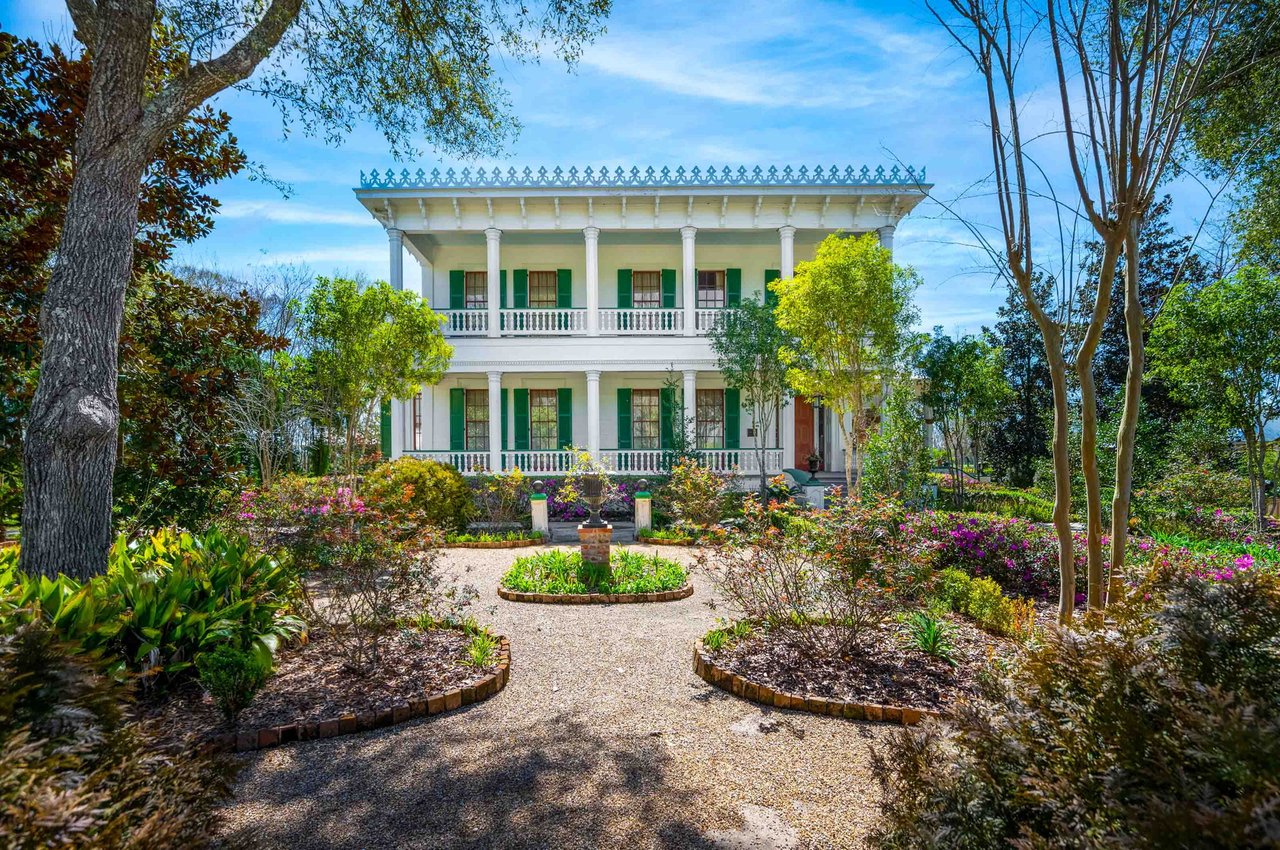
This is especially important for historic homes. A brick exterior, for example, does not necessarily reveal the condition of the framing, roofing, electrical service, plumbing, or concealed building components.
Claims and Loss History
Previous claims involving the applicant or property may affect underwriting or pricing.
Buyers should review the seller’s disclosures and available documentation concerning previous flooding, storm damage, insurance claims, and completed repairs. When appropriate, the buyer should ask the insurance professional what additional property-loss information is available and how it may affect underwriting.
Replacement Cost, Coverage Limits, and Deductibles
Insurance replacement cost is not necessarily the same as the property’s market value.
Replacement cost may reflect the expense of rebuilding the structure using current labor, materials, building requirements, and appropriate construction methods. This can become especially important with historic or architecturally distinctive homes containing materials and craftsmanship that would be costly to reproduce.
Wind or hurricane deductibles may also be calculated as a percentage of the insured value rather than as a flat dollar amount. Buyers should ask the insurance professional to explain what that percentage represents in actual dollars.
What Buyers Should Do During Due Diligence
Request a Property-Specific Quote Early
Request a written quote as soon as practical after the property has been identified.
Ask the licensed insurance professional what additional information, inspections, repairs, or documentation will be needed before coverage can be bound.
Review the Seller’s Disclosures and Documentation
Review available information concerning:
- Previous flooding or water intrusion
- Storm damage
- Insurance claims
- Roof installation and repairs
- Electrical and plumbing updates
- Structural work
- Wind-mitigation improvements
- Permits, invoices, warranties, and professional reports
Documentation does not replace independent inspections or insurance evaluation, but it can help buyers and professionals understand the property more clearly.
Review Available Flood Information
Use the official FEMA map, review any existing elevation certificate, and ask whether additional documentation is advisable.
If you are considering a waterfront home in Bay St. Louis, flood exposure and insurance should be evaluated by address rather than inferred from the neighborhood or a nearby property.
Understand the Entire Insurance Structure
Confirm whether the quote includes wind and hail or whether separate coverage is necessary. Ask whether MWUA is relevant to the property and whether private-market alternatives are available.
Complete the Investigation Within the Contract Deadlines
Insurance questions should be investigated within the applicable inspection, financing, insurance, and due-diligence deadlines established by the purchase contract.
Waiting until the final days before closing can leave too little time to address a significant cost, inspection requirement, or underwriting concern.
Include Insurance in the Affordability Calculation
The mortgage payment is not the entire cost of ownership.
Buyers should consider homeowners, wind, and flood premiums; deductibles; property taxes; maintenance; utilities; and anticipated capital improvements when evaluating affordability.
That analysis is particularly important for relocation buyers coming from markets where property insurance represents a smaller portion of the ownership cost.
What Sellers Should Prepare Before Listing
Sellers who address insurance-related questions before listing may be better positioned to reduce uncertainty during the buyer’s due-diligence period.
Before placing a Mississippi Gulf Coast property on the market, sellers should consider gathering:
- An existing elevation certificate
- Roof installation and repair records
- Wind-mitigation or FORTIFIED documentation
- Inspection reports
- Invoices, permits, and warranties
- Documentation of storm-damage repairs
- Available insurance-claim information
- Records of relevant structural, electrical, or plumbing improvements
Sellers should complete all applicable property disclosures carefully and gather available documentation concerning prior flooding, storm damage, insurance claims, and completed repairs.
The seller’s existing premium should not be presented as an estimate of what a buyer will pay. A new applicant, current underwriting requirements, different coverage selections, and changing market conditions can produce a different result.
A well-prepared seller does not promise that a property will be inexpensive to insure. The seller helps reduce uncertainty by providing accurate disclosures and organized documentation that the buyer and appropriate professionals can evaluate.

How Insurance Can Affect Financing, Affordability, and Negotiations
Insurance is not a side issue in a coastal transaction.
The premium may affect a buyer’s total monthly housing expense and, consequently, mortgage qualification. The property must also satisfy the lender’s insurance requirements before the loan can close.
An inspection or insurance evaluation may reveal a roof, electrical, structural, or condition issue affecting the availability or price of coverage. That information may influence the buyer’s decision, repair discussions, contract negotiations, or financing.
Cash buyers should not ignore the issue simply because a lender is not requiring coverage. They still need to understand the financial exposure they would retain and whether the desired insurance is available on acceptable terms.
How FORTIFIED Construction May Help
Mitigation matters in a concrete way.
The Mississippi Insurance Department reports that qualifying insurers have filed discounts ranging from 15% to 30% for homes meeting applicable Insurance Institute for Business & Home Safety FORTIFIED standards. Eligibility and actual savings depend on the insurer, policy, property, certification, and coverage.
The Strengthen Mississippi Homes program also provides mitigation grants when funding and application periods are available. According to the Mississippi Insurance Department, the program is intended to help eligible homeowners improve roofs to meet applicable mitigation standards.
A newer roof is not automatically a FORTIFIED roof. The designation requires specific standards, documentation, and certification.
Buyers and sellers should verify whether a property has an active FORTIFIED designation, what documentation supports it, and how a particular insurer would treat that designation.
My Perspective on Buying Along This Stretch of the Coast
The Mississippi Gulf Coast remains a place where buying a waterfront, historic, or architecturally distinctive home can make sense for the right buyer. That decision should be made with complete financial information—not in spite of missing information.
I would rather help a buyer identify the insurance questions early than have that buyer feel blindsided during underwriting.
Insurance is a genuine cost of coastal ownership, just as property taxes, maintenance, transportation, and climate considerations are costs in other markets. It is a factor to investigate and plan around, not an automatic reason to avoid the Coast.
My experience in mortgage lending and real estate has taught me that buyers are usually in a stronger position when they understand the entire financial structure of the purchase before becoming deeply committed to the property.
That means asking difficult questions, obtaining property-specific information, consulting qualified professionals, and understanding how insurance fits into the larger ownership decision.
Practical Guidance
Before buying or selling a Mississippi Gulf Coast home:
- Request property-specific insurance information early.
- Confirm whether wind and hail are included or require separate coverage.
- Review the official FEMA flood map and available elevation documentation.
- Evaluate roof condition and mitigation records.
- Review disclosures and documentation concerning previous damage and repairs.
- Ask the lender how insurance will affect qualification and closing requirements.
- Consult more than one licensed insurance professional when appropriate.
- Understand percentage-based wind or hurricane deductibles in actual dollars.
- Complete the investigation within the applicable contract deadlines.
- Evaluate insurance as part of the total cost of ownership.
Frequently Asked Questions
Why Is Homeowners Insurance So Expensive on the Mississippi Gulf Coast?
Properties along the Mississippi Gulf Coast may face hurricane, wind, hail, and flood exposure. Insurers also consider rebuilding costs, anticipated claims, property characteristics, condition, mitigation, coverage limits, and deductibles.
The Mississippi wind pool’s rates have also increased in recent years, although those changes do not represent the experience of every homeowners policy or property.
Can Buyers Still Obtain Insurance for Mississippi Gulf Coast Homes?
In many cases, yes. Coverage remains available for many properties through private insurers. When qualifying wind and hail coverage is unavailable through the voluntary market, MWUA may provide an alternative for eligible properties in Mississippi’s six coastal counties.
Availability, policy structure, and price depend on the property, applicant, insurer, and coverage requested.
Do I Need Separate Flood Insurance to Buy in Gulfport, Biloxi, Bay St. Louis, or Ocean Springs?
A property located in a Special Flood Hazard Area will generally require flood insurance when financed through a federally regulated or government-backed lender. A lender may impose additional requirements.
Buyers outside designated high-risk areas may still choose—or be advised—to obtain flood insurance because flooding can occur outside those areas.
Can Insurance Costs Affect Mortgage Approval?
Yes. Lenders consider the borrower’s total housing expense, which may include required insurance premiums. The lender will also require acceptable evidence of property insurance before closing.
An unexpectedly high premium can affect affordability or the loan amount for which a buyer qualifies.
Are Historic Homes Harder or More Expensive to Insure?
Not automatically.
Older homes may require closer evaluation of roof condition, wiring, plumbing, construction materials, replacement cost, and prior improvements. A well-maintained historic home with properly documented updates may present differently to an insurer than a property with deferred maintenance.
Only a licensed insurance professional can evaluate the specific property, applicant, and requested coverage.
Does Every Coastal Home Require Wind Insurance Through MWUA?
No. Many properties obtain wind coverage through private insurers.
MWUA is a residual-market option for eligible wind and hail coverage when qualifying coverage is unavailable through the voluntary market. It is not universally required and does not replace the other insurance a buyer may need.
Does an Elevation Certificate Guarantee Lower Flood-Insurance Premiums?
No.
An elevation certificate provides information that may assist with floodplain compliance, underwriting, or rating. Whether it affects the premium depends on the property, policy, available data, and applicable rating methodology.
Does a FORTIFIED Roof Guarantee an Insurance Discount?
No.
Mississippi insurers may offer qualifying discounts for properly certified FORTIFIED homes, but eligibility and savings depend on the insurer, policy, property, certification, and coverage. Buyers and sellers should verify the designation and ask the licensed insurance professional how it would be treated.
The Bottom Line
Homeowners insurance on the Mississippi Gulf Coast can be more complicated and more expensive than buyers expect—but buyers can still obtain coverage for many coastal properties.
The key is to begin early.
Determine what coverage is available, understand whether homeowners, wind, and flood insurance will be separate, review the deductibles and exclusions, and incorporate the complete cost into the purchase decision before the applicable contract deadlines expire.
Sellers should prepare for the same questions by organizing disclosures, elevation documentation, roof records, mitigation information, and repair history before the property reaches the market.
If you are weighing a purchase or preparing to sell a home along the Mississippi Gulf Coast, contact Douglas Adamsfor a property-specific real estate consultation. I can help you identify the insurance questions that should be addressed early, coordinate with the appropriate licensed professionals, and incorporate that information into the larger purchase, pricing, or selling strategy.
About the Author
Douglas Adams is a Global Real Estate Advisor with Crescent Sotheby’s International Realty serving Louisiana and the Mississippi Gulf Coast.
Through The Douglas Adams Editorial Series, he explores the history, architecture, neighborhoods, and communities that make the Gulf South such a remarkable place to call home. Every article is informed by firsthand experience, original photography, professional research, and a passion for telling the stories that exist beyond the front door.