THE DOUGLAS ADAMS EDITORIAL SERIES
What to Know Before Buying a Waterfront Home in Bay St. Louis
A practical guide to flood zones, elevation certificates, insurance coverage, storm exposure, water access, and the responsibilities that come with coastal ownership.
Quick Answer
If you are buying a waterfront home in Bay St. Louis, investigate the property’s flood zone, available elevation certificate, homeowners insurance, flood insurance, and wind coverage as early as possible.
You should also review docks, bulkheads, seawalls, water access, permits, maintenance obligations, and the property’s overall storm exposure before making an offer. In Bay St. Louis, these details can significantly affect cost, coverage, financing, and long-term ownership.
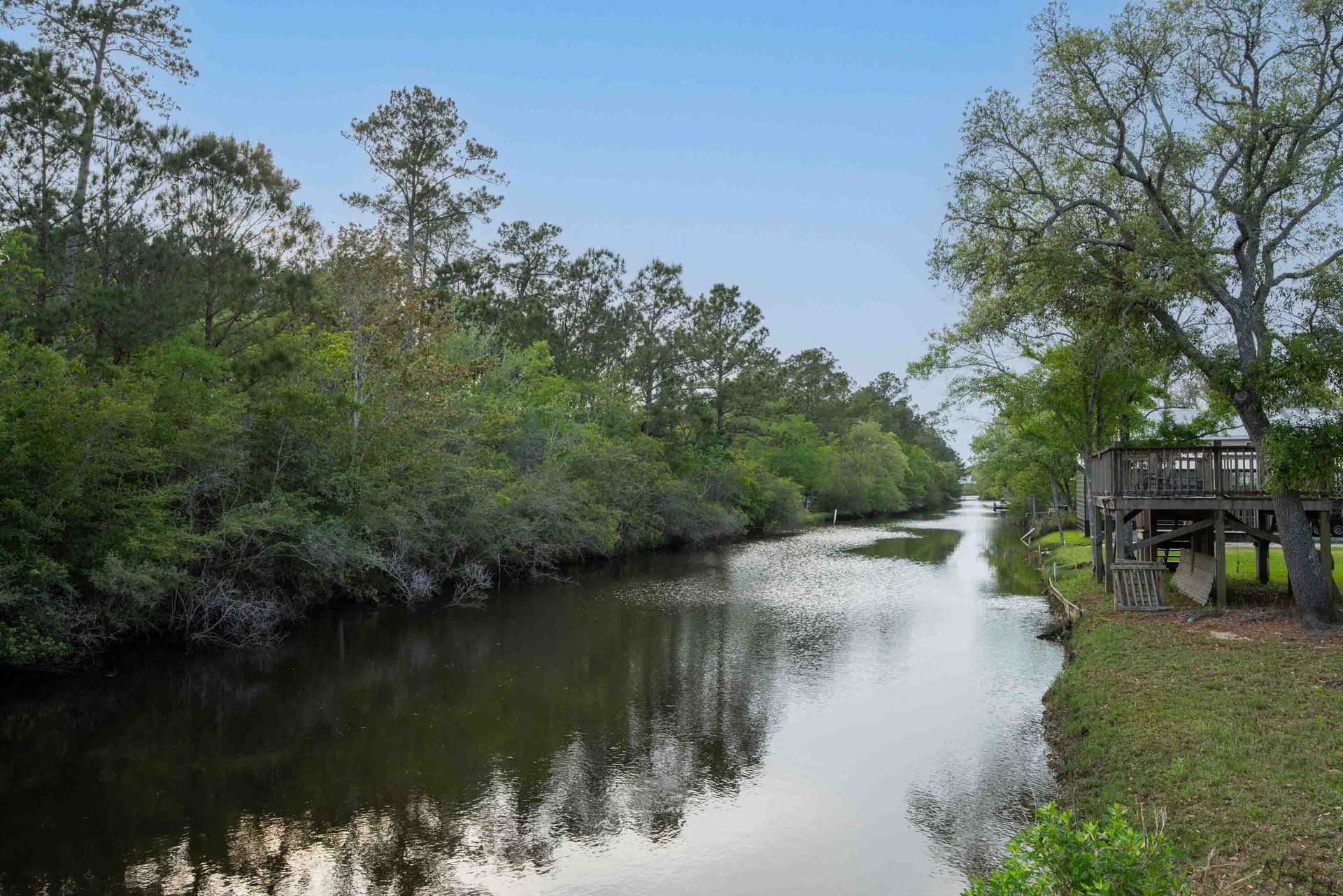
Bay St. Louis waterfront homes attract buyers for good reason. The views, boating access, coastal setting, and everyday connection to the water can make these properties especially appealing. However, buying a waterfront home in Bay St. Louis usually requires more due diligence than buying a similar home inland.
Before purchasing, investigate insurance, flood-zone, elevation, and wind-coverage issues early, not at the end of the transaction. A home can look ideal from the street or pier while still presenting important insurance and ownership questions that need to be understood before you commit.
From my perspective advising buyers along the coast, one of the most common mistakes is focusing first on the purchase price and monthly mortgage payment without fully understanding the property’s insurance exposure. That can create surprises later, especially for waterfront property in Bay St. Louis.
Why Early Insurance Research Matters

One of the first things I encourage buyers to do is treat insurance as part of the home search, not simply as a final closing task.
Standard homeowners insurance generally does not cover flood damage. Buyers also need to determine whether a homeowners policy includes windstorm coverage or whether wind coverage must be addressed separately.
This matters because coverage and pricing can vary by property and insurer. A home that initially appears affordable may look different once homeowners, flood, and any separate wind insurance costs are included.
Buyers should obtain property-specific homeowners, wind, and flood insurance quotations early in the process. They should also review policy details carefully, including deductibles, limits, replacement-cost provisions, exclusions, and additional-living-expense coverage.
The goal is not to assume one Bay St. Louis waterfront home will insure like another. The goal is to understand the actual insurance profile of the property you are considering.
Check the Flood Zone Before You Get Too Far
When buying waterfront property in Mississippi, the property’s flood-hazard designation is one of the first things to verify. FEMA’s Flood Map Service Center is the official source for property-specific federal flood-hazard maps.
A mapped flood zone does not tell you everything about a property’s actual storm or water exposure. It is a starting point rather than the complete story. Buyers should use the flood-zone information to ask better questions about insurance, lender requirements, elevation, and overall risk.
In Bay St. Louis, two waterfront homes that appear similar can have different flood-zone classifications, elevation information, and insurance costs. Flood-zone, elevation, insurance, financing, water-access, and structural conclusions should always be verified for the specific property.
Ask Whether an Elevation Certificate Exists
If an elevation certificate is available, buyers should review it early.
The certificate may provide useful information about how the structure relates to established flood benchmarks and may assist with insurance quoting. Not every property will have one readily available, and the insurance or underwriting outcome will depend on the particular property and insurer.
Still, asking whether an elevation certificate exists can save time and help clarify the next steps. If one is unavailable, buyers should ask what would be involved in obtaining one and whether that could affect the transaction’s timing, cost, or insurance evaluation.
My professional observation is that these questions are easier to address before a buyer becomes emotionally committed to a house. Once someone decides a property is the one, it becomes more difficult to evaluate insurance and elevation issues objectively.
Do Not Assume Wind Damage Is Covered
Wind coverage is particularly important when buying a waterfront home in Bay St. Louis.
Buyers should ask direct questions about whether windstorm damage is covered under the homeowners policy, whether the policy contains a windstorm exclusion, and which deductibles or limitations may apply.
A recurring problem for Gulf Coast homeowners is discovering the limits of their coverage only after a tropical storm. A homeowner may obtain both homeowners and flood insurance but later learn that damage to the roof, shutters, or exterior was classified as wind damage and excluded from the standard homeowners policy.
That is why I encourage buyers to ask specific questions about wind coverage and exclusions before purchasing rather than waiting until they need to file a claim.
This is not a reason to avoid Bay St. Louis waterfront homes. It is a reason to investigate coverage carefully and obtain professional insurance advice based on the specific property you want to buy.
Look Closely at Docks, Bulkheads, Seawalls, and Water Access
The house itself is only part of the purchase.
Many Bay St. Louis waterfront homes also include docks, lifts, bulkheads, seawalls, or other shoreline improvements. These features can add considerable value and utility, but they also require careful review.
Buyers should investigate:
- The current condition of the waterfront structures
- Who owns each improvement
- Whether the necessary permits were obtained
- Who is responsible for maintenance
- Whether repairs or modifications have been completed
- Whether the configuration provides the water access the buyer wants
A dock may look attractive in listing photographs but still raise practical questions. Water depth, exposure, approach, intended vessel use, and overall usability can vary by property.
Buyers should confirm that the water access works for their intended use instead of assuming every waterfront lot functions the same way.

Consider Storm Exposure and Ownership Responsibility
Waterfront living in Bay St. Louis offers considerable lifestyle benefits, but buyers should also think realistically about storm exposure and long-term responsibility.
Shoreline improvements, exterior materials, roofing, and site conditions may affect maintenance requirements and insurance considerations. Inspection reports, local property records, lender requirements, and insurance documents can all help buyers develop a more complete understanding of the property.
This is one reason I prefer a disciplined approach to waterfront searches. The visible appeal of a property is important, but the less visible details often determine whether the home is truly the right fit.
Careful due diligence does not take away from the experience of owning on the water. It helps protect it.
Practical Steps for Bay St. Louis Buyers
If you are considering a Bay St. Louis waterfront home, I recommend taking the following steps before making an offer:
- Check the property’s flood zone through FEMA’s Flood Map Service Center.
- Ask whether an elevation certificate is available and review it when possible.
- Request property-specific quotations for homeowners, flood, and wind coverage early in the process.
- Review policy details carefully, including exclusions, deductibles, limits, replacement-cost provisions, and additional-living-expense coverage.
- Ask direct questions about whether windstorm damage is covered under the homeowners policy.
- Investigate docks, lifts, bulkheads, seawalls, and other waterfront improvements for condition, ownership, permits, and maintenance obligations.
- Confirm the property’s actual water access and whether it supports your intended use.
- Use inspection reports, lender guidance, insurance documents, and local records to verify important information about the specific property.
Finding the Right Waterfront Home
Buying a waterfront home in Bay St. Louis can be an exceptional lifestyle decision, but it should be approached with careful, property-specific due diligence.
The most important issues to investigate are the flood zone, elevation information, homeowners insurance, flood insurance, wind coverage, storm exposure, and the condition and responsibility for waterfront improvements.
In my experience, buyers are best served when they begin these conversations early. The right Bay St. Louis waterfront home is not simply the one with the best view. It is the one whose insurance profile, access, condition, and long-term obligations make sense for the buyer.
Considering a Waterfront Home in Bay St. Louis?
Contact Douglas Adams before beginning your search for guidance on the property questions, insurance considerations, and local due diligence that should be addressed before making an offer.
Explore this Bay St. Louis Waterfront Property
Frequently Asked Questions
What insurance issues should I investigate before buying a waterfront home in Bay St. Louis?
Investigate homeowners insurance, flood insurance, and wind coverage as early as possible. Ask whether the standard homeowners policy includes windstorm coverage or contains exclusions. Obtain property-specific quotations because cost and coverage can vary by property and insurer.
Does standard homeowners insurance cover flood damage in Bay St. Louis?
Standard homeowners policies generally do not cover flood damage. Buyers should request property-specific flood insurance information early and review how that cost affects the complete ownership picture.
Why is the flood zone important when buying a Bay St. Louis waterfront home?
The flood zone can affect insurance requirements, pricing, and lender expectations. FEMA’s Flood Map Service Center is the official source for property-specific federal flood-hazard maps, but mapped flood zones do not describe every aspect of a property’s actual storm or water exposure.
Should I ask for an elevation certificate?
Yes. If an elevation certificate is available, it can provide useful information for insurance quoting and help you understand how the structure relates to flood benchmarks. If one is unavailable, ask what may be involved in obtaining it.
What should I review besides the house itself?
Investigate docks, lifts, bulkheads, seawalls, water access, permits, maintenance obligations, and storm exposure. These features can affect usability, repair responsibility, insurance, and long-term ownership costs.
About the Author
Douglas Adams is a Global Real Estate Advisor with Crescent Sotheby’s International Realty serving Louisiana and Mississippi.
Through The Douglas Adams Editorial Series, he explores the history, architecture, neighborhoods, properties, and communities that make the Gulf South such a remarkable place to call home. His work combines firsthand real estate experience, mortgage-lending knowledge, original photography, and a passion for telling the stories that exist beyond the front door.
Douglas specializes in historic homes, architecturally significant residences, luxury properties, waterfront homes, and distinctive real estate throughout New Orleans, Natchez, the Mississippi Gulf Coast, and the broader Gulf South.