Part of the Douglas Adams Editorial Series
By Douglas Adams, Global Real Estate Advisor, Crescent Sotheby's International Realty
Photographed • Explored • Written
White Hall Plantation Is for Sale: Inside an 1849 Henry Howard–Attributed Louisiana Estate
Some houses are measured in square feet.
Others are measured in generations.
White Hall belongs to the latter.
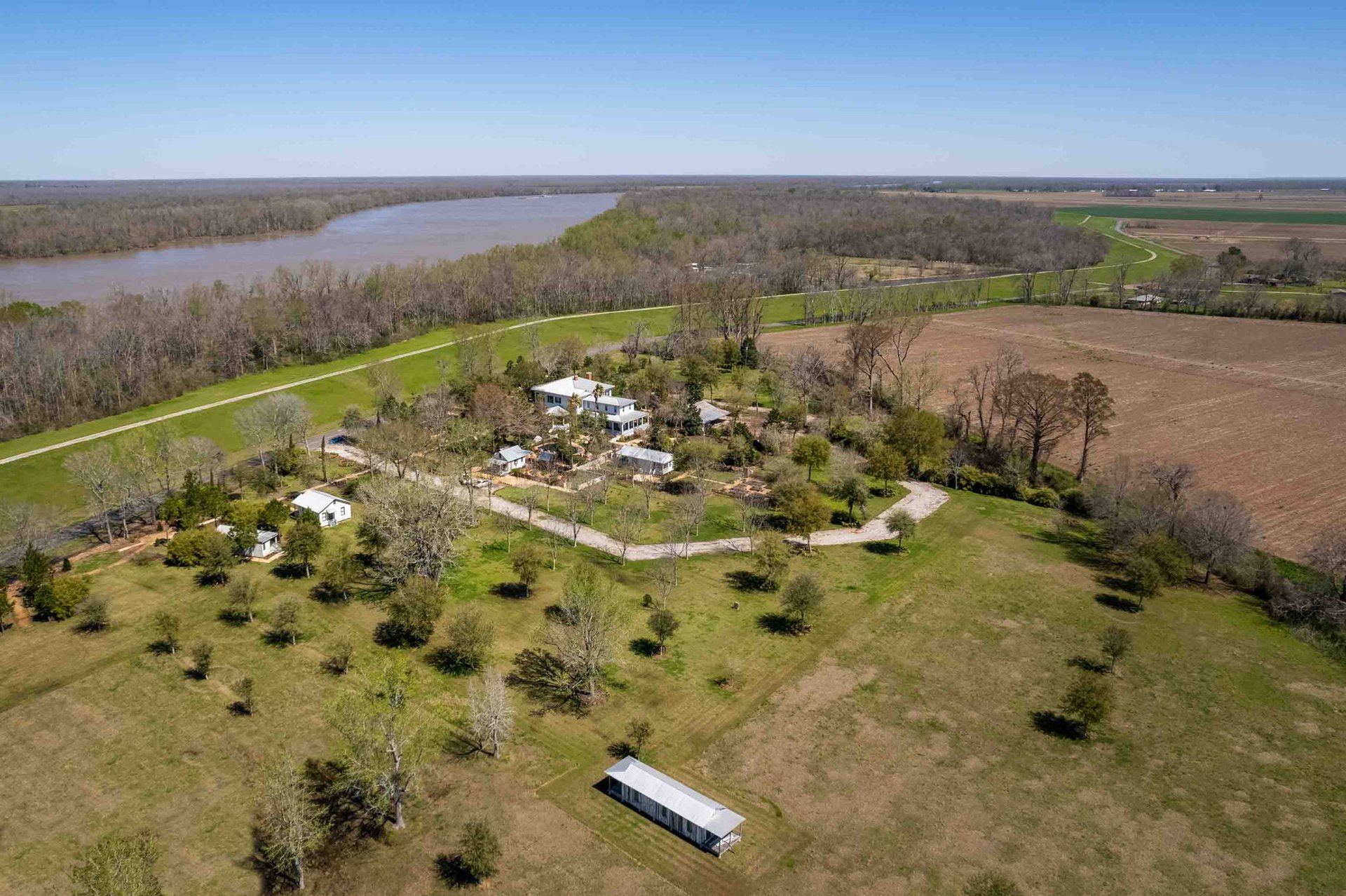
Facing the Atchafalaya River in Pointe Coupee Parish, this circa-1849 estate has survived war, a changing river and two physical relocations undertaken to protect it from the advancing waterline.
Its preservation has never been accidental. Each generation entrusted with White Hall has made a deliberate decision that the house—and the history held within it—was worth carrying forward.
Today, White Hall Plantation House is offered for sale at $1,875,000 with furnishings negotiable, presenting its next owner with something increasingly difficult to find: a nationally recognized Louisiana estate that has already undergone an extensive historic restoration.
This is not a house waiting to be rescued.
It is a house waiting for its next steward.
Is White Hall Plantation Currently for Sale?
Yes. White Hall Plantation House, located at 17523 LA Highway 418 in Lettsworth, Louisiana, is currently offered for sale at $1,875,000 with furnishings negotiable.
The National Register–listed estate includes a restored circa-1849 main residence, six accessory buildings, period gardens, a saltwater swimming pool and 12.88 acres facing the Atchafalaya River.
The property is listed under MLS #2548608 by Douglas Adams and Dawnne Keeney of Crescent Sotheby’s International Realty.
VIEW THE COMPLETE WHITE HALL PLANTATION LISTING
White Hall Plantation at a Glance
PROPERTY DETAIL | INFORMATION |
|---|---|
Address | 17523 LA Highway 418, Lettsworth, Louisiana 70753 |
Current Price | $1,875,000 |
Furnishings | Negotiable |
MLS Number | 2548608 |
Main Residence | Approximately 5,500 square feet |
Total Under Roof | Approximately 9,000 square feet |
Main-House Bedrooms | 4 |
Main-House Bathrooms | 4 full and 2 half bathrooms |
Land | 12.88 acres |
Construction | Circa 1848–1849 |
Architecture | Greek Revival with Italianate influence |
Architect | Attributed to Henry Howard |
Additional Buildings | 6 accessory structures with 5 additional bedrooms and 4 bathrooms |
Historic Recognition | National Register of Historic Places, 1977 |
Parish | Pointe Coupee Parish |
Brokerage | Crescent Sotheby’s International Realty |
Where Is White Hall Plantation?
White Hall is located in Lettsworth, an unincorporated Louisiana community at the northern end of Pointe Coupee Parish. The property occupies 12.88 acres along Louisiana Highway 418, facing the Atchafalaya River.
This part of Louisiana is shaped by water, agriculture and some of the state’s earliest patterns of settlement. It is a landscape of broad fields, mature trees, river roads and communities whose histories are inseparable from the Mississippi and Atchafalaya river systems.
White Hall has remained connected to that landscape for more than 175 years—even when the landscape itself threatened its survival.
The house was moved away from the encroaching Atchafalaya River in 1912 and moved again in 1939. After both relocations, it continued to face the river, preserving the relationship between the architecture and the waterway that defined its original setting.
Who Designed White Hall Plantation House?
White Hall’s design is attributed to Henry Howard, one of the most important architects working in 19th-century Louisiana.
Howard’s body of work includes some of the state’s most recognizable residences, including Nottoway and Madewood. His architecture helped define the visual language associated with many of Louisiana’s great Greek Revival houses.
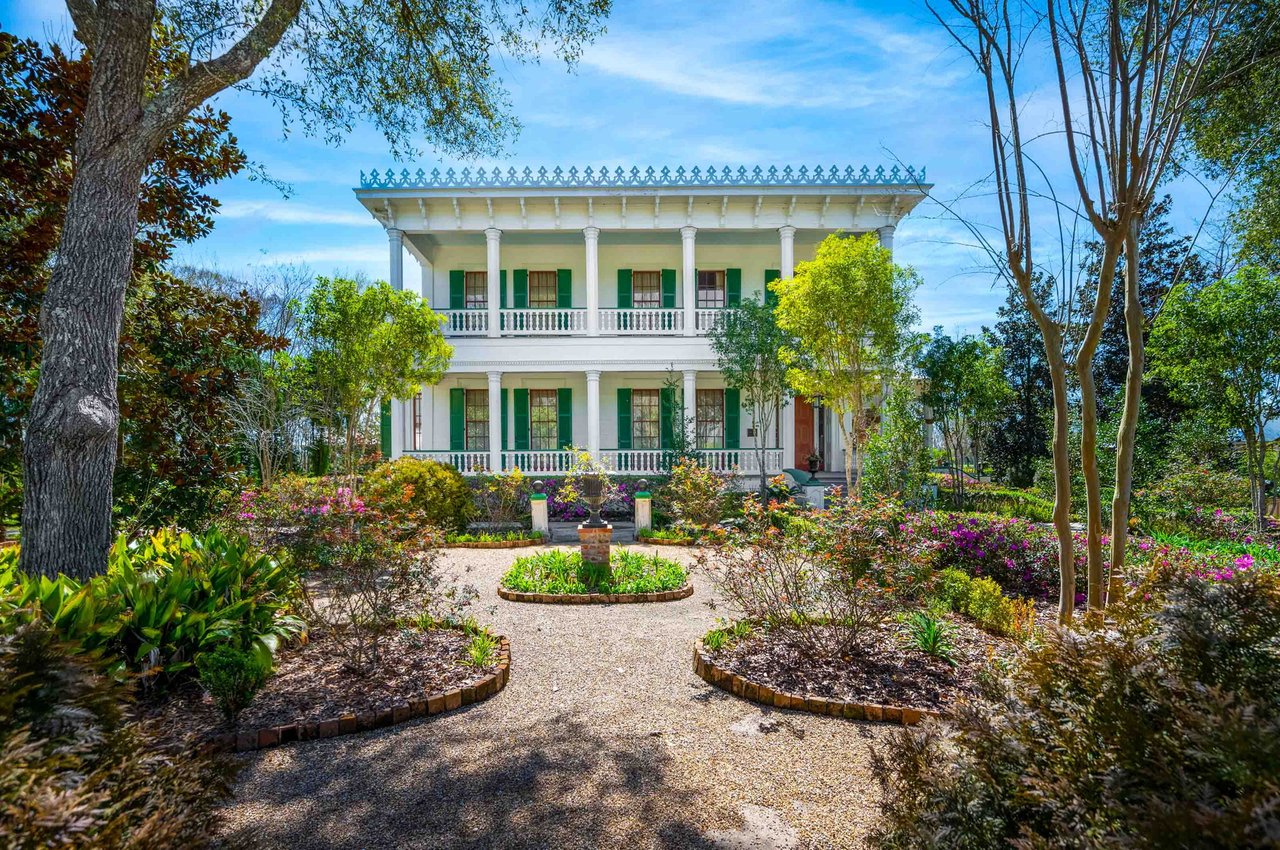
At White Hall, the symmetry and classical proportions of Greek Revival architecture are joined by Italianate influences that give the house a character of its own.
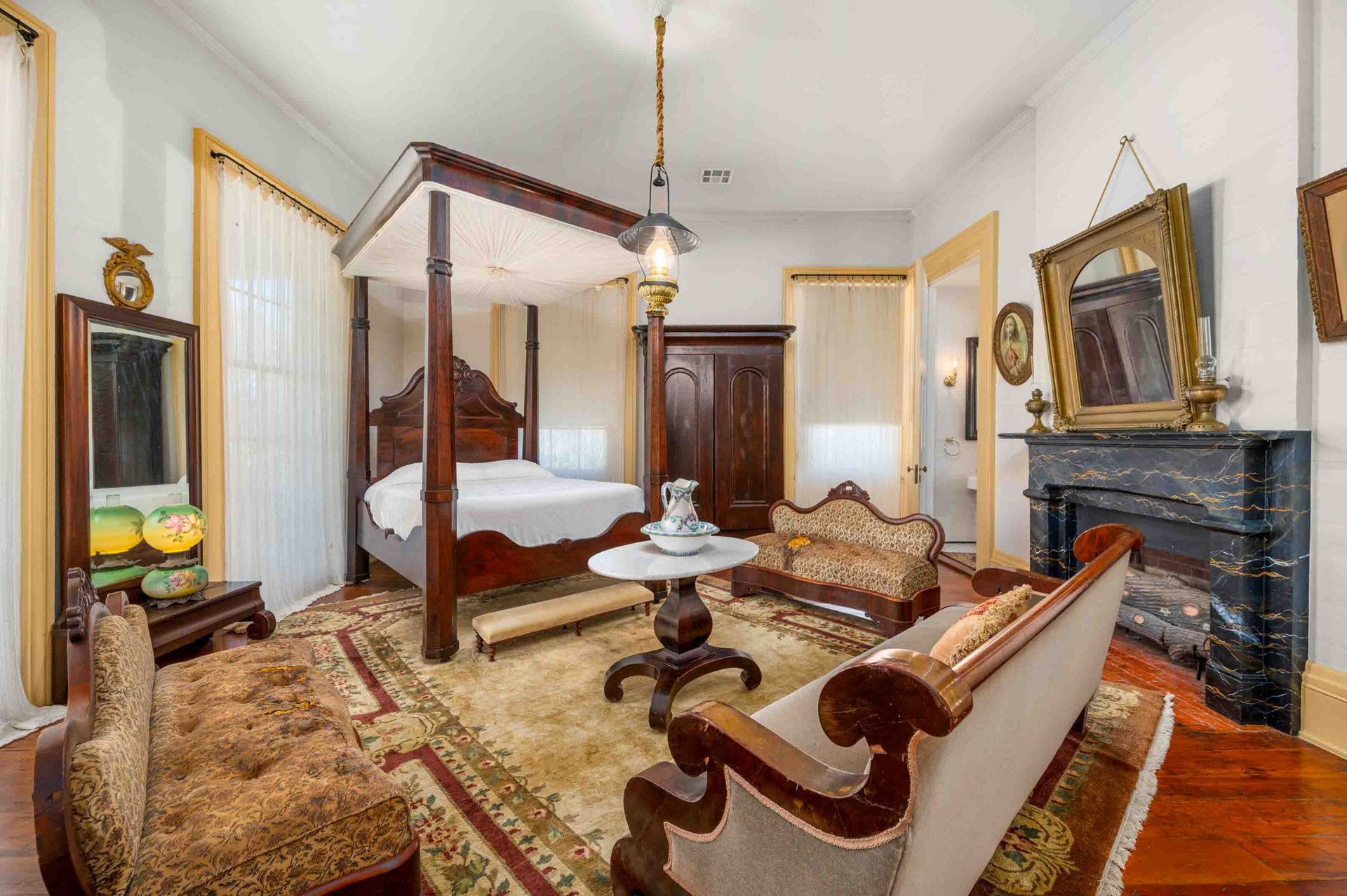
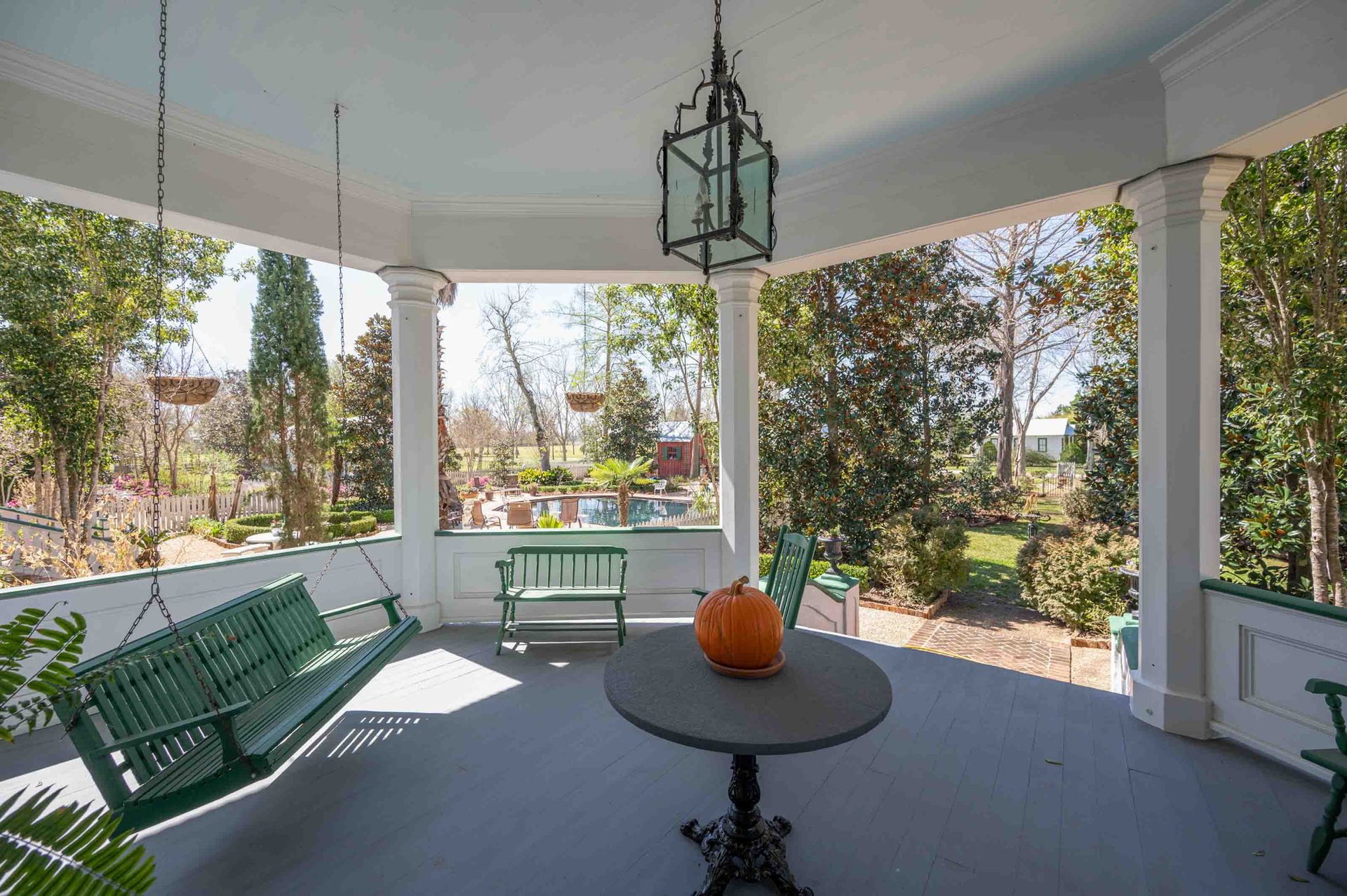
Broad galleries extend across the exterior. Inside, 14-foot ceilings rise above double parlors, decorated archways, dentil cornices and ornamental ceiling medallions. A pentagonal bay window adds another distinctive architectural element.
The house was constructed using cypress, pine and handmade brick. Some of its long-leaf pine floorboards reportedly extend 22 feet without a knot—a quality of material and craftsmanship that would be extraordinarily difficult to reproduce today.
What Is the History of White Hall?
White Hall was built between 1848 and 1849 by Elias Norwood. It was later associated with Bennett Barton Simmes, a riverboat captain, Louisiana state senator and founder of nearby Simmesport.
During the Civil War, the house was occupied as a headquarters by Union General Nathaniel P. Banks, placing White Hall within the broader military history of the Red River region.
The property also belongs to the more difficult history of Louisiana’s plantation era, including an agricultural economy and social order built through the labor of enslaved people.
Preserving a property such as White Hall carries a responsibility to acknowledge its complete history—not only its architecture and prominent owners, but also the people whose lives and labor were part of the estate.
White Hall Plantation House was added to the National Register of Historic Places in 1977, recognized for both its architectural and historical significance.
How Did White Hall Survive the Atchafalaya River?
White Hall’s continued existence is a story of determined preservation.
As the Atchafalaya River advanced toward the property, owners moved the house away from the water in 1912. When the river threatened it again, White Hall was moved a second time in 1939.
Moving a house of this size and construction once would have been an enormous undertaking. Moving it twice demonstrates how strongly its owners believed in protecting it.
Even after both relocations, White Hall retained its orientation toward the Atchafalaya, maintaining the visual and historical relationship between the house and the river.
Has White Hall Plantation Been Restored?
Yes. White Hall underwent an extensive restoration beginning after the current owners acquired the property in 2002.
The work followed the Secretary of the Interior’s Standards for Historic Preservation—an approach designed to retain the defining characteristics of a historic property while allowing it to function for contemporary use.
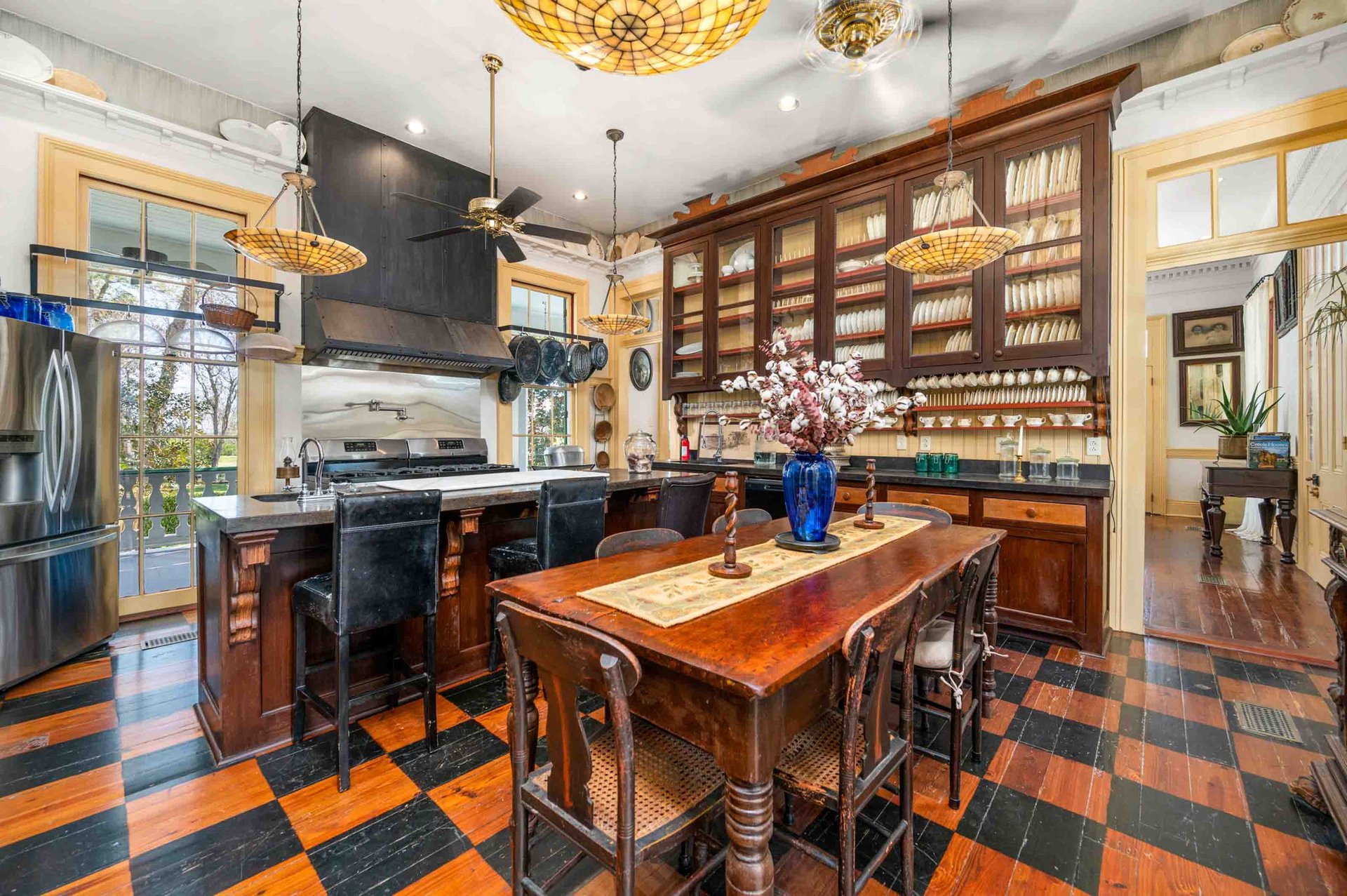
Electrical wiring, plumbing, gas lines and HVAC systems were replaced or updated. Public water and a whole-house generator were added. Missing millwork and architectural details were carefully reproduced, while surviving historic materials were retained wherever possible.
One of the restoration’s most interesting discoveries involved elaborate hanging lamps that originally belonged to the house. After being found decades later in a barn in Plaquemine, the lamps were restored and returned to White Hall’s foyer and main staircase.
The result is a house that retains its architectural identity without asking its next owner to begin with a major restoration project.
Are the Furnishings Included With White Hall?
White Hall is offered with furnishings negotiable.
The interiors contain an extensive collection of 19th-century antiques and period-appropriate pieces, including two Charles Lee four-poster beds. These furnishings give historical context and scale to rooms designed in another century and reflect the same attention to detail found throughout the restoration.
The furnishings are negotiable as part of the terms of the sale.
What Buildings Are Included With White Hall?
The property extends well beyond the main residence.
White Hall’s six accessory buildings provide five additional bedrooms and four additional bathrooms. The structures include a recreated kitchen cottage and a restored schoolhouse, contributing both visual interest and usable space to the estate.
Across the property, the main residence and accessory buildings provide approximately 9,000 square feet under roof.
Depending on the next owner’s plans—and subject to zoning, licensing and other required approvals—the property may accommodate several possibilities:
- A private historic residence
- A multigenerational family compound
- A Louisiana country estate
- Accommodations for extended family and guests
- A setting for private gatherings
- A preservation-focused retreat or hospitality concept
- A second residence with substantial guest accommodations
The flexibility created by the additional buildings, bedrooms and acreage is an important part of White Hall’s appeal.
What Are the Grounds Like?
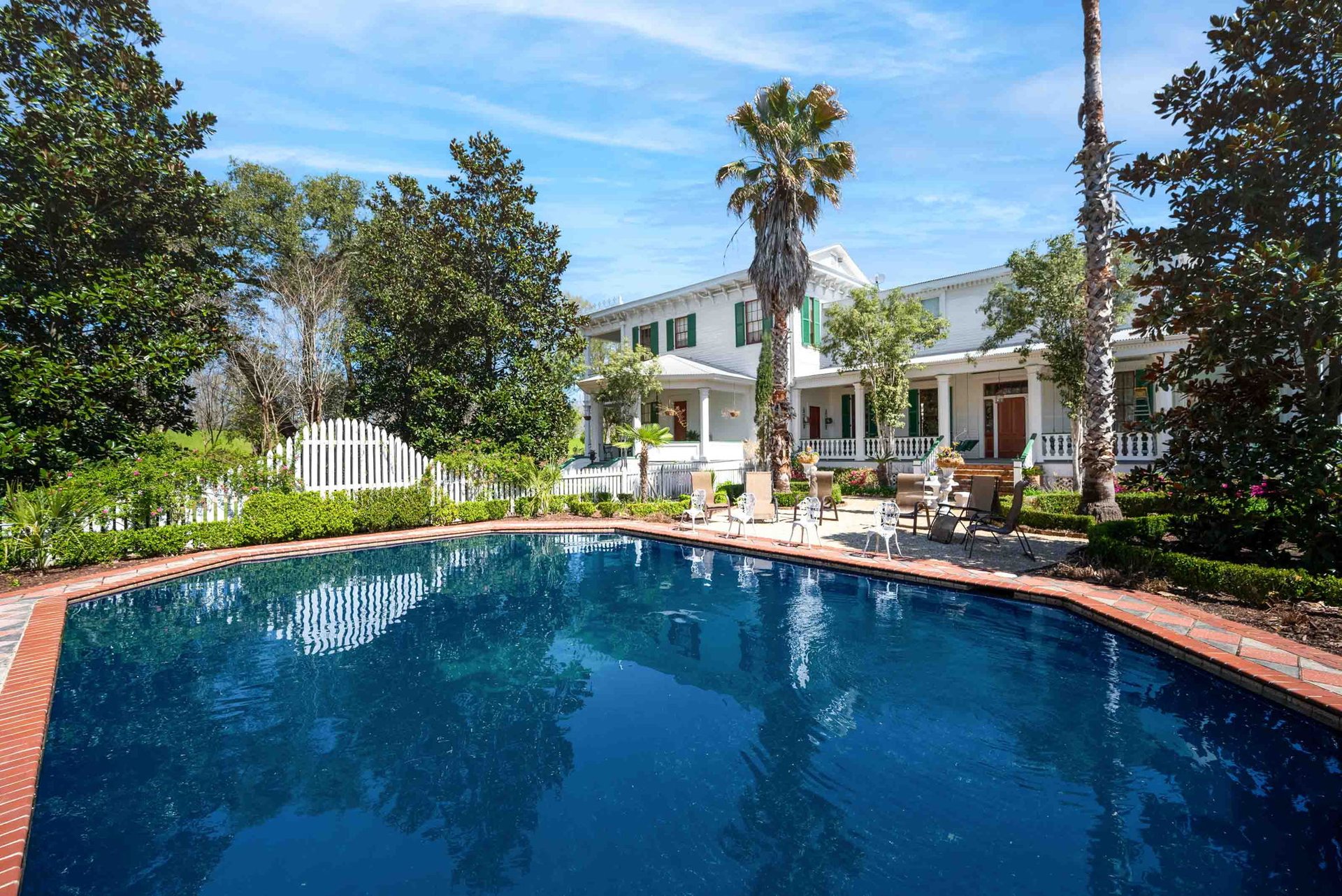
The 12.88-acre property includes formal gardens, mature pecan and oak trees, vegetable and herb gardens, citrus and pecan groves and an in-ground saltwater swimming pool.
A crepe myrtle allée was created using descriptions found in the Civil War–era diaries of Mary Simmes, reconnecting the present landscape to written accounts of the property’s earlier appearance.
The gardens do more than frame the house. They help restore the experience of approaching and moving through a 19th-century Louisiana estate.
From the broad galleries to the allée, pool, outbuildings and river-facing grounds, White Hall unfolds as a collection of distinctive settings rather than a single view.
What Makes White Hall Different From Other Historic Louisiana Homes?
Louisiana has many old houses, but far fewer bring together all of the following:
- Architecture attributed to Henry Howard
- Greek Revival and Italianate design
- National Register recognition
- Documented Civil War history
- Approximately 12.88 acres
- An Atchafalaya River setting
- Six additional buildings
- Extensive period gardens
- A completed historic restoration
- Updated plumbing, electrical and HVAC systems
- A whole-house generator
- An in-ground saltwater swimming pool
- Furnishings negotiable
That combination changes the buying proposition.
White Hall is not being offered primarily as a restoration project or museum piece. It is a historic estate prepared for residential use, with modern systems and amenities thoughtfully integrated into the property.
Why Is White Hall Priced at $1,875,000?
The current offering price includes the approximately 5,500-square-foot main house, six accessory structures, 12.88 acres, period gardens, a saltwater swimming pool and extensively updated infrastructure.
At approximately $341 per square foot based solely on the main residence, that calculation does not account for the additional buildings, land, gardens or years of specialized restoration work represented throughout the estate.
White Hall was previously offered at substantially higher prices. Its current positioning creates a new opportunity for buyers who may not have considered the property when it first entered the market.
More importantly, this is an estate for which replacement cost is difficult to calculate.
Its old-growth materials, architectural pedigree, documented history and relationship between the house and its landscape cannot simply be recreated through new construction.
White Hall is offered with furnishings negotiable, providing the buyer an opportunity to discuss retaining the antiques and period-appropriate pieces that currently complement the estate’s historic interiors.
Who Is the Right Buyer for White Hall?
The next owner may already have been looking for White Hall without knowing its name.
It may be someone searching nationally for a restored historic home. It may be a collector of architecturally significant properties, a family seeking a legacy estate or a buyer wanting privacy, acreage and room for extended family and guests.
The right buyer will understand that ownership of White Hall is both an opportunity and a responsibility.
That buyer is not simply purchasing bedrooms, bathrooms and acreage. They are assuming stewardship of a house that has already survived more than 175 years of Louisiana history.
How Can I Tour White Hall Plantation?
White Hall Plantation House is currently offered at $1,875,000 with furnishings negotiable under MLS #2548608.
The property is located at:
17523 LA Highway 418
Lettsworth, Louisiana 70753
Private showings are available for qualified buyers through Douglas Adams and Dawnne Kenney of Crescent Sotheby’s International Realty.
Douglas Adams
Global Real Estate Advisor
Crescent Sotheby’s International Realty
504.444.8670
Dawnne Kenney
Global Real Estate Advisor
Crescent Sotheby’s International Realty
504.650.3912
VIEW THE COMPLETE LISTING AND PROPERTY PHOTOGRAPHS
Frequently Asked Questions About White Hall Plantation
How old is White Hall Plantation House?
White Hall was constructed circa 1848–1849, making the main residence approximately 177 years old in 2026.
Is White Hall Plantation on the National Register of Historic Places?
Yes. White Hall Plantation House was added to the National Register of Historic Places in 1977 for its architectural and historical significance.
Did Henry Howard design White Hall Plantation?
White Hall’s design is attributed to Henry Howard, the prominent Louisiana architect associated with Nottoway, Madewood and other important 19th-century Louisiana buildings.
How many bedrooms does White Hall have?
The main house contains four bedrooms. The six accessory buildings provide five additional bedrooms, giving the estate nine bedrooms across all structures.
How many bathrooms are included?
The main residence has four full bathrooms and two half bathrooms. The accessory structures provide four additional bathrooms.
How much land comes with White Hall?
The current listing includes 12.88 acres facing the Atchafalaya River in Pointe Coupee Parish.
Has White Hall Plantation House been moved?
Yes. The house was moved away from the advancing Atchafalaya River in 1912 and again in 1939. After both moves, it retained its orientation toward the river.
Are the furnishings included with White Hall?
The furnishings are negotiable as part of the terms of the sale. White Hall currently contains an extensive collection of 19th-century antiques and period-appropriate pieces that complement the architecture and history of the estate.
Does White Hall have modern electrical, plumbing and air conditioning?
Yes. The restoration included updated electrical wiring, plumbing, gas lines, HVAC, public water and a whole-house generator while preserving the home’s historic character.
Does White Hall have a swimming pool?
Yes. The property includes an in-ground saltwater swimming pool surrounded by the estate’s expansive grounds and gardens.
Can White Hall be used as an event venue or hospitality property?
The acreage, additional accommodations, gardens and gathering spaces may support several potential uses. Any commercial, hospitality or event use would be subject to zoning, permits, licensing, insurance and other applicable approvals.
How can I schedule a private tour?
Qualified buyers may contact Douglas Adams of Crescent Sotheby’s International Realty at 504.444.8670 or Dawnne Kenney of Crescent Sotheby's International Realty at 504.650.3912 to arrange a private showing of the main residence, gardens and accessory buildings.
About the Author

Douglas Adams is a Global Real Estate Advisor with Crescent Sotheby’s International Realty, serving clients throughout Louisiana and Mississippi with a focus on historic homes, architecturally significant residences, waterfront properties and distinctive estates.
Through The Douglas Adams Editorial Series, he explores the history, architecture, neighborhoods and communities that make the Gulf South such a remarkable place to call home. His articles are shaped by firsthand experience, thoughtful research and a commitment to telling the stories that exist beyond the front door.