THE DOUGLAS ADAMS EDITORIAL SERIES
Exceptional properties. Stories with a sense of place.
PHOTOGRAPHED • EXPLORED • WRITTEN BY DOUGLAS ADAMS
Quick Answer
If you are preparing to sell a historic home in Gulfport, start with the issues that most directly affect buyer confidence, inspections, financing, and insurance: visible moisture intrusion, roof condition, exterior deterioration, termite activity, and deferred maintenance.
Historic brick homes are not automatically low-risk. Age, hidden wood framing, leaks, and coastal exposure all matter. In my view, the best pre-listing strategy is to identify property-specific concerns early, document what has been addressed, and present the house in a way that feels well cared for rather than over-renovated.
One of the most common assumptions I hear from Gulfport sellers is that a historic brick house will speak for itself. Sometimes it does, architecturally. But from a buyer’s perspective, charm and confidence are two different things.
When buyers walk into an older home on the Coast, they are often looking past the details they love and asking practical questions.
Has moisture been managed? Is there evidence of termites? What shape is the roof in? Has exterior deterioration been addressed? Will the home be difficult to insure or maintain?
Those questions matter because historic homes can attract highly motivated buyers, but they also invite closer scrutiny. As a Gulf Coast advisor, I find that sellers who prepare thoughtfully before listing tend to create a stronger first impression and a more credible negotiation position.
Why Pre-Listing Preparation Matters for a Gulfport Historic Home
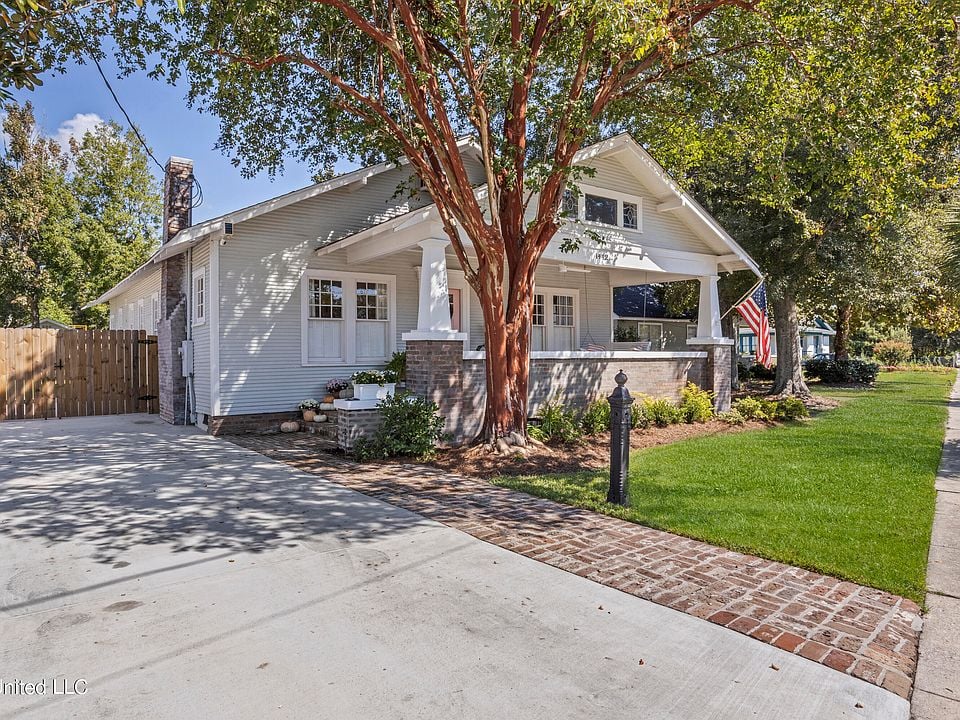
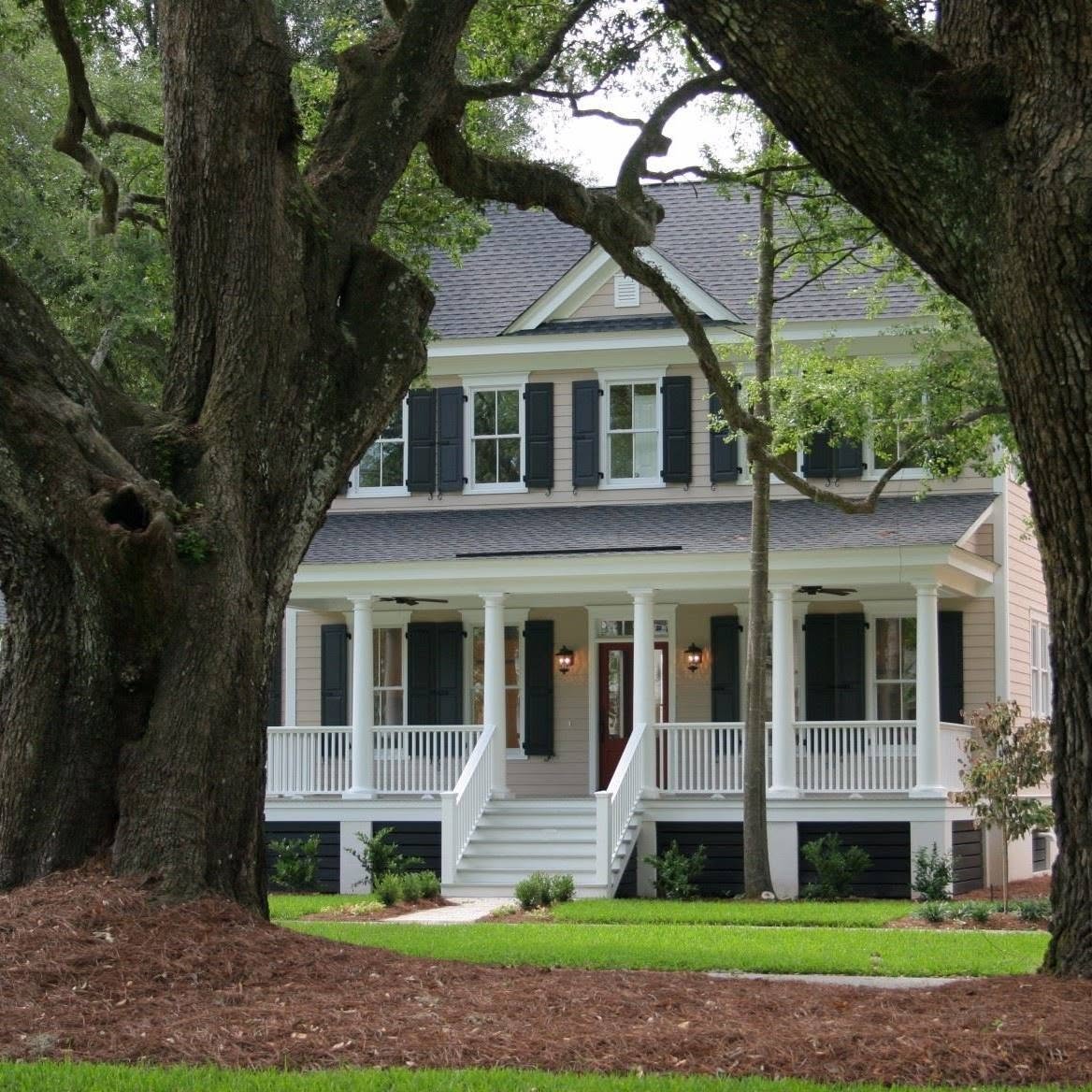
Historic homes in Gulfport compete differently from newer construction. Buyers are often drawn to architectural character, established neighborhoods, mature lots, and homes with a sense of place. At the same time, older properties can raise concerns about condition, maintenance history, and future costs.
That is why pre-listing preparation is not simply cosmetic. It is a way to reduce uncertainty.
Sellers should focus on visible moisture, roof condition, exterior deterioration, termite activity, and other deferred maintenance. Moisture and water leaks can create conditions favorable to termite activity and should be investigated and corrected.
On the Mississippi Gulf Coast, wind-mitigation features such as roof-to-wall connections, roof-deck attachment, secondary water barriers, and protected openings can also affect how buyers and insurance professionals evaluate a home.
Because these factors vary by property, sellers should verify the specifics of their own house with qualified professionals.
What Sellers Should Fix Before Listing
Address Visible Moisture and Water Intrusion
Moisture is one of the first issues I would want clarified before bringing a historic property to market.
Stained ceilings, musty areas, soft trim, peeling paint, or visible signs of past leaks can immediately shift a buyer’s attention from architecture to risk.
Moisture and water leaks can create favorable conditions for termite activity and should be investigated and corrected. Visible warning signs should not be ignored or explained away casually.
If there is a current issue or a known past issue, it is better to understand it before a buyer’s inspector does. When repairs have been completed, sellers should retain the corresponding invoices, photographs, reports, and warranties.
Evaluate Roof Condition
Roof condition has an outsized impact on buyer perception, insurance conversations, and repair expectations. On the Coast, buyers tend to think about both weather exposure and ongoing maintenance.
The Mississippi Insurance Department identifies wind-mitigation measures that may include roof-to-wall connections, roof-deck attachment, secondary water barriers, protected openings, and additional reinforcement.
That does not mean every historic home will have the same improvements. It does mean roof-related details can matter beyond appearance alone.
From a marketing standpoint, a seller who knows the age, condition, repair history, and relevant improvements of the roof is usually in a stronger position than one relying on assumptions.
Before listing, gather any available roof invoices, warranties, repair records, inspection reports, and documentation of wind-mitigation improvements.
Repair Exterior Deterioration
Historic homes often show wear in ways buyers notice immediately:
- Damaged mortar
- Deteriorated wood elements
- Failing paint
- Loose trim
- Soft soffits
- Porch concerns
- Damaged windows or doors
- Neglected drainage details
Some of these may look minor in listing photographs, but in person they can suggest a broader maintenance pattern.
Before listing, sellers should obtain property-specific professional evaluations of exterior deterioration and deferred maintenance rather than assuming the home’s construction type will reassure buyers on its own.
Not every visible imperfection requires a major renovation. The priority should be active deterioration, conditions that may worsen, and issues likely to undermine buyer confidence.
Do Not Overlook Termite Risk
One of the biggest misconceptions I see is the belief that brick construction largely eliminates termite concerns. It does not.
Mississippi State University Extension identifies eastern subterranean, Formosan, and southeastern drywood termites as species that can damage Mississippi buildings.
Southeastern drywood termites occur primarily in the southern part of Mississippi, with most infestations found in the three coastal counties. Formosan termites are also especially common in the coastal area and can cause substantial damage more quickly than native subterranean termites.
Brick, stone, or steel construction does not eliminate termite risk when a building contains wood or other cellulose materials.
That is especially important for older homes, where framing, trim, roof structures, subfloors, eaves, rafters, and concealed components may remain vulnerable even when the exterior appears substantial and solid.
I encountered a coastal homeowner who chose not to maintain a termite contract because the house had a brick exterior and the owner believed there was little risk. The property still contained wooden eaves, roof rafters, framing, and interior components.
Once termite activity or damage is discovered, it can significantly affect buyer confidence, complicate negotiations, and reduce the property’s marketability.
Review Deferred Maintenance Honestly
In my experience, buyers can accept that a historic house is not perfect. What they struggle with is uncertainty about what has been deferred, for how long, and what else may be waiting behind the walls or beneath the house.
A realistic pre-listing review should look beyond the most obvious focal points and determine whether smaller unresolved items are collectively undermining the home’s presentation.
A seller does not always need to fully renovate. Often, the smarter strategy is to correct the issues that raise the most concern and then present the remaining condition clearly and credibly.
A useful review should separate concerns into three categories:
Active conditions
Current leakage, deterioration, pest activity, safety concerns, or system failures should receive immediate attention.
Buyer-confidence concerns
These conditions may not be emergencies, but they are likely to attract attention during showings or inspections.
Cosmetic preferences
These improvements may enhance presentation but should not take priority over active property concerns.
Historic Brick Homes and the Myth of Low Maintenance
This is where seller expectations often need recalibration.
A historic brick home may project permanence, but permanence and maintenance are not the same.
Masonry construction does not remove termite risk when the structure includes wood or other cellulose materials. Moisture can still enter through roofs, openings, drainage failures, or aging materials. Coastal exposure can still affect building components over time.
Buyers are increasingly aware of these issues, particularly when they have previously owned an older home.
My professional observation is that the strongest historic listings do not try to create the illusion that the property is maintenance-free. They build confidence through preparation, transparency, documentation, and thoughtful presentation.
My Perspective on Preparing a Historic Gulfport Home for Market
From my perspective, the goal is not to erase the age of the house. The goal is to remove avoidable doubt.
I would much rather bring a historic home to market with documented attention to important condition issues than rely on charm alone and hope buyers overlook the practical considerations.
Buyers respond well when a home feels grounded, orderly, and honestly represented.
That may mean repairing active issues, assembling maintenance records, simplifying visual distractions, and presenting the home in a composed way that allows its architecture to lead.
These are marketing observations based on how buyers respond in the field, not universal rules. Every house is different, and the appropriate level of preparation depends on the property, its condition, its price point, and the likely buyer pool.
Practical Guidance for Gulfport Sellers
Get Property-Specific Evaluations Early
Before listing, obtain professional evaluations for visible moisture, roof condition, exterior deterioration, termite activity, and other deferred maintenance.
This is especially important for older Gulfport homes, where assumptions based on appearance or construction type can be misleading.
Document Repairs and Maintenance
If you have addressed leaks, pest concerns, roofing work, drainage improvements, exterior repairs, or building systems, gather the documentation.
Useful records may include:
- Inspection reports
- Repair invoices
- Warranties
- Termite contracts and treatment records
- Roof documentation
- Contractor reports
- Permits where applicable
- Photographs of completed work
Buyers tend to respond more favorably when they can see evidence of care rather than relying on verbal reassurance alone.
Prioritize Repairs That Affect Confidence
Not every improvement will produce the same return in buyer confidence.
Focus first on conditions that influence inspections, insurability, safety, and the overall credibility of the property. Cosmetic work can help, but it should not come before active condition concerns.
Present the Home Neutrally
My recommendations regarding repairs, presentation, documentation, and preparation are professional marketing observations.
In practice, that often means reducing visual clutter, allowing original architecture to show clearly, and making the home feel calm and well maintained.
The goal is not to remove its personality. It is to make the property’s architecture and strongest features easier for buyers to understand.
Expect Buyers to Verify
Even a well-prepared seller should expect buyers to conduct their own inspections and evaluations.
Roof condition, flood exposure, insurance considerations, permits, termite activity, and overall property condition can vary significantly by home. Sellers and buyers should verify the specific property with the appropriate professionals and agencies.
Preparing the Property for the Market
If you are wondering what to fix before listing a historic home in Gulfport, the clearest answer is this: address the issues that create the most buyer hesitation.
That usually begins with moisture, roofing, exterior deterioration, termite risk, and deferred maintenance.
Historic homes can command serious attention when they are presented with confidence and care. In my view, the best results come from respecting what the house is, understanding where buyers will look hardest, and preparing accordingly.
If you are considering selling a historic home in Gulfport and want a clear, credible plan for preparing it for market, contact Douglas Adams, Global Real Estate Advisor with Crescent Sotheby’s International Realty.
I can help you evaluate how your home is likely to be perceived by buyers, where pre-listing attention may matter most, and how to position the property thoughtfully in today’s market.
Frequently Asked Questions
What should I fix first before listing a historic home in Gulfport?
Start with visible moisture issues, roof concerns, exterior deterioration, termite activity, and deferred maintenance. These are the issues most likely to affect buyer confidence, inspections, financing, and insurance discussions.
Are historic brick homes in Gulfport less vulnerable to termites?
Not necessarily. Mississippi research confirms that brick, stone, or steel construction does not eliminate termite risk when a building contains wood or other cellulose materials. Each property should be evaluated individually.
Should I get a termite inspection before listing?
In many cases, yes. If there are signs of termite activity, prior damage, missing treatment records, or likely buyer concern, a property-specific professional evaluation can be helpful before going to market.
Does roof condition matter even if the home looks attractive overall?
Yes. Roof condition can affect buyer confidence and insurance conversations, particularly on the Mississippi Gulf Coast. Buyers and insurance professionals may also consider documented wind-mitigation features, depending on the property.
Do I need to renovate everything before selling a historic home?
Usually not. In my professional view, the better approach is to correct active or confidence-damaging issues first, document what has been completed, and present the home clearly and credibly. The appropriate strategy depends on the specific property.
About the Author
Douglas Adams is a Global Real Estate Advisor with Crescent Sotheby’s International Realty serving Louisiana and the Mississippi Gulf Coast.
Through The Douglas Adams Editorial Series, he explores the history, architecture, neighborhoods, and communities that make the Gulf South such a remarkable place to call home. Every article is based on firsthand experience, original photography, and a passion for telling the stories that exist beyond the front door.