Part of the Douglas Adams Editorial Series
By Douglas Adams, Global Real Estate Advisor, Crescent Sotheby's International Realty
Photographed • Explored • Written
Every coastal town has a story.
Some tell it through history.
Some through architecture.
Others through their beaches.
Gulfport, Mississippi tells its story differently.
Gulfport tells its story through resilience.
It's written in the twenty-six miles of white sand stretching beside Beach Boulevard. It's carried in the shrimp boats that still leave before sunrise. It's carved into weathered live oak trunks transformed into works of art after Hurricane Katrina. It's found in neighborhoods where families chose to rebuild instead of walk away.
After spending several days exploring Gulfport with my camera, photographing neighborhoods, beaches, historic landmarks, marinas, local businesses, and everyday life, I realized I wasn't simply documenting another Mississippi Gulf Coast community.
I was discovering a city whose greatest beauty isn't found only in its beaches or waterfront homes.
It's found in the people who continue to call it home.
Located along the heart of the Mississippi Gulf Coast, Gulfport is Mississippi's second-largest city and home to one of the state's busiest ports, miles of white sand beaches, thriving neighborhoods, and a waterfront community that continues to attract families, retirees, entrepreneurs, military families, and second-home buyers from across the South.
GULFPORT, MISSISSIPPI AT A GLANCE
- Founded: 1898
- Size: Mississippi's second-largest city
- Known for: A deep-water port, 26 miles of white sand beach, and a working seafood industry
- Real estate: Waterfront estates, historic cottages, and new construction near the beach
A CITY BUILT WITH PURPOSE
Unlike neighboring coastal communities that gradually evolved from colonial settlements and fishing villages, Gulfport was born from an ambitious vision.
Founded in 1898, Gulfport wasn't built by accident.
It was engineered to become Mississippi's gateway to the world.
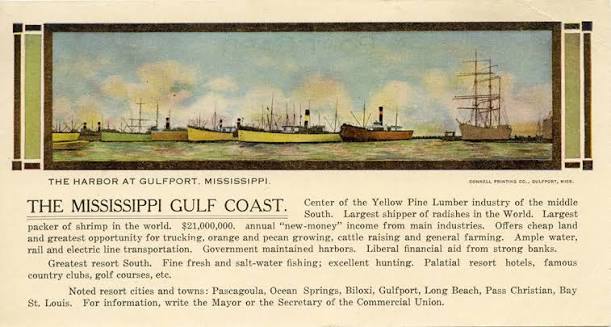
Railroad pioneer William H. Hardy and entrepreneur Captain Joseph T. Jones believed the state's vast Piney Woods timber industry deserved direct access to international markets. When many experts insisted a deep-water harbor couldn't be built in the shallow Mississippi Sound, Captain Jones invested his own fortune to prove otherwise.
He succeeded.
Within only a few years, Gulfport had become one of the largest lumber export ports in the world, forever changing Mississippi's economy and establishing a city built upon vision, determination, and opportunity.
That pioneering spirit still defines Gulfport today.
THE ROAD THAT CONNECTS AN ENTIRE COAST
Few drives in America are as unexpectedly beautiful as Beach Boulevard.
Long before it became today's scenic Highway 90, the shoreline was connected by shell roads, carriage paths, and quiet coastal trails linking communities from Biloxi to Pass Christian.
During the 1920s, a massive seawall was constructed to protect the growing coastline from hurricanes.
After World War II, another remarkable engineering achievement forever changed the Mississippi Gulf Coast.
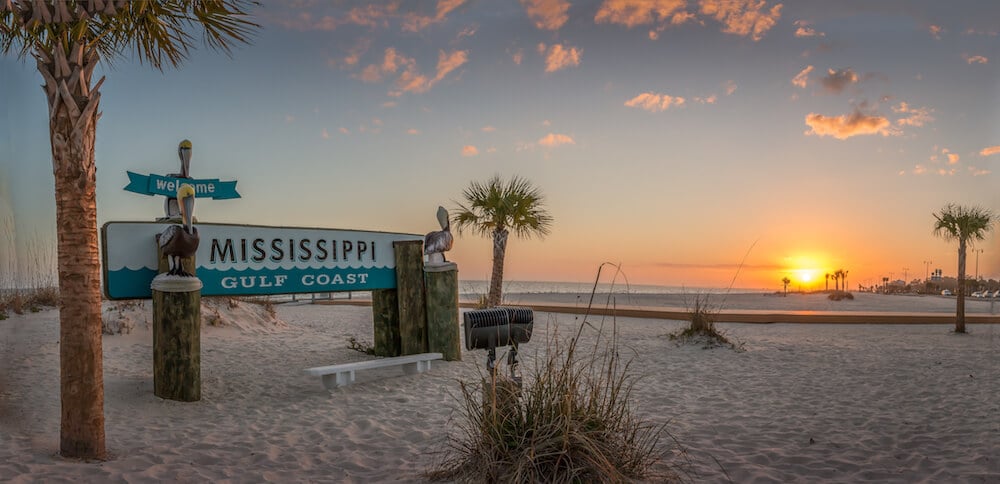
Sand was pumped along the seawall, creating what remains one of the world's longest continuous man-made white sand beaches—a breathtaking twenty-six-mile stretch connecting Biloxi, Gulfport, Long Beach, and Pass Christian.
Driving along Beach Boulevard, it almost feels as though freedom enters the automobile while the Gulf breeze quietly carries away whatever worries you brought with you.
The shoreline becomes more than scenery.
It becomes a reminder that some places were simply meant to be experienced slowly.
THE TREES THAT REFUSED TO BE FORGOTTEN
Driving Beach Boulevard today, you'll notice magnificent waterfront homes, towering live oaks draped in Spanish moss, and neighborhoods that continue to flourish.
But every so often, you'll turn north and discover an empty concrete foundation where a home once stood.
A place where children once played.
A quiet reminder that Hurricane Katrina forever changed this coastline.
Yet Gulfport chose not to let tragedy define its future.
Beginning in 2007, chainsaw artist Dayton Scoggins, joined by sculptors Marlin Miller and Dayle Lewis, transformed dozens of dead live oak trunks into extraordinary works of public art. Pelicans, dolphins, egrets, herons, sea turtles, and soaring eagles now emerge from the very trees that once stood silent after the storm.
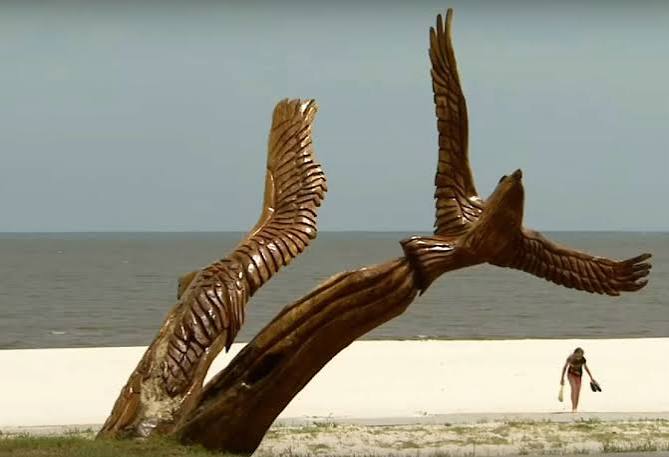
They're beautiful.
But they're also something more.
They remind us that this community chose not to erase its history.
Instead, it transformed loss into beauty.
Perhaps no symbol captures the soul of Gulfport better.
THE GULF STILL PROVIDES
Along the Mississippi Gulf Coast, seafood isn't simply what's served for dinner.
It's history.
It's commerce.
It's survival.
Long before Gulfport became known for beautiful beaches, generations of commercial fishermen were launching before sunrise, returning with shrimp, oysters, blue crab, snapper, tuna, and countless other catches that built an industry and fed communities throughout the South.
Harbors, seafood markets, docks, and family-owned restaurants continue that tradition today.
After Hurricane Katrina, many wondered whether the Gulf Coast seafood industry could recover.
The boats returned.
The docks reopened.
Families went back to work.
Restaurants once again filled with the unmistakable aroma of fresh Gulf seafood.
Even today, the working waterfront remains one of the defining characteristics of Gulfport, connecting modern life with generations of commercial fishing traditions that continue to shape the Mississippi Gulf Coast.
Whether you're enjoying oysters on the half shell, perfectly grilled Gulf fish, or a bowl of seafood gumbo, you're experiencing more than exceptional cuisine.
You're tasting generations of perseverance.
WHERE HISTORY MEETS EVERYDAY LIFE
One of the things I appreciate most about Gulfport is that history never feels confined to a museum.
It lives alongside everyday life.
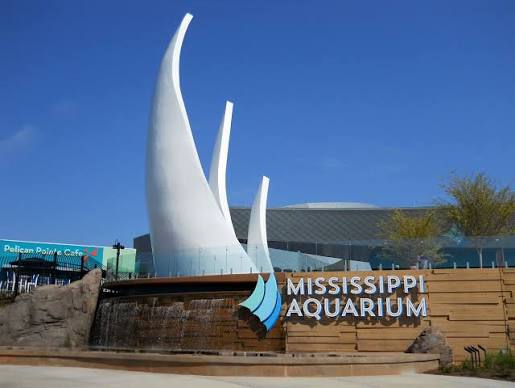
Families spend afternoons at the fascinating Mississippi Aquarium.
Just outside, Jones Park comes alive with families gathering beneath the oaks while festivals, concerts, and community events bring the waterfront to life throughout the year.
Visitors board Ship Island Excursions near the Gulfport Yacht Club for a journey across the Mississippi Sound to explore historic Fort Massachusetts.
Shoppers browse Tanger Outlets just minutes away.
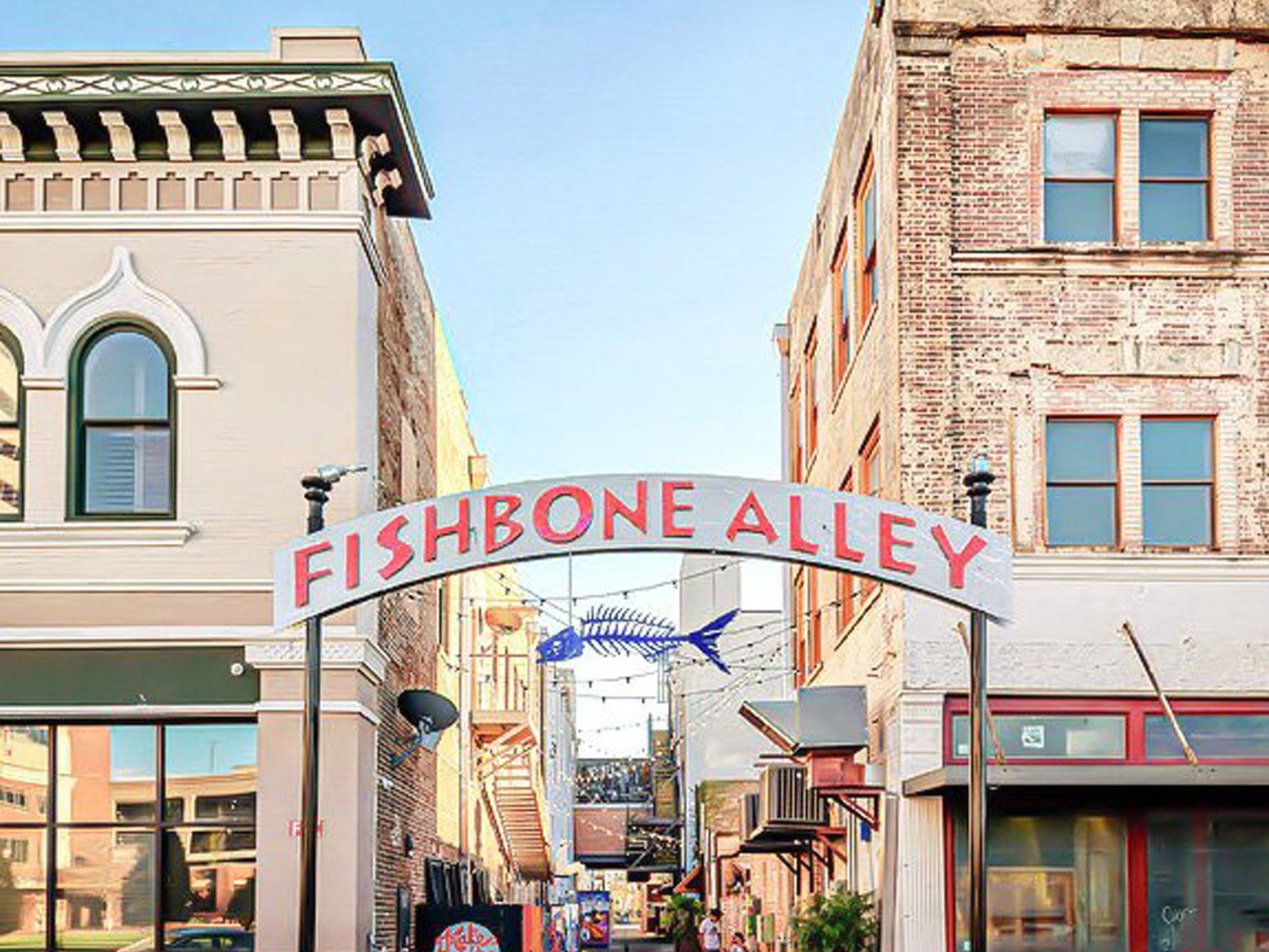
Downtown comes alive with locally owned restaurants serving fresh Gulf seafood, inviting coffee shops, art galleries, boutique stores, and the kind of conversations that make strangers feel like neighbors.
Throughout Gulfport—and really across much of the Mississippi Gulf Coast—you'll also find antique stores, vintage shops, and hidden treasures waiting around nearly every corner.
It feels authentic.
Nothing seems forced.
MORE THAN BEAUTIFUL HOMES
As someone who spends much of my career walking through remarkable homes, I've learned that great communities are never defined by architecture alone.
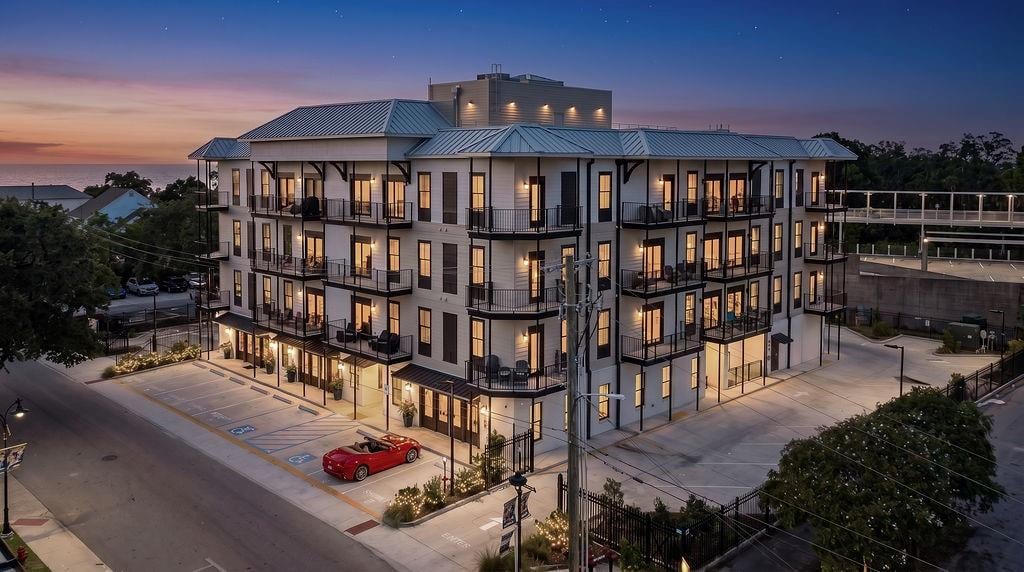
Gulfport offers beautiful waterfront estates, historic cottages beneath sprawling live oaks, established neighborhoods filled with character, thoughtfully designed new construction, and quiet residential streets where neighbors still wave as you pass.
Buyers searching for Gulfport homes for sale often arrive looking for waterfront views, historic homes, or new construction near the beach. Many eventually discover they're choosing far more than a home—they're choosing a community with a rich history, enduring character, and an unmistakable sense of place.
Spend enough time in the vibrant Gulfport life and you'll meet retired military families who never left after being stationed along the Coast. You'll meet business owners whose grandparents worked the waterfront, young families putting down roots, artists finding inspiration beside the Gulf, and newcomers who arrived for a weekend only to discover they couldn't imagine living anywhere else.
The homes are only part of the story.
What truly makes Gulfport special is the life happening between them.
A PERSONAL REFLECTION
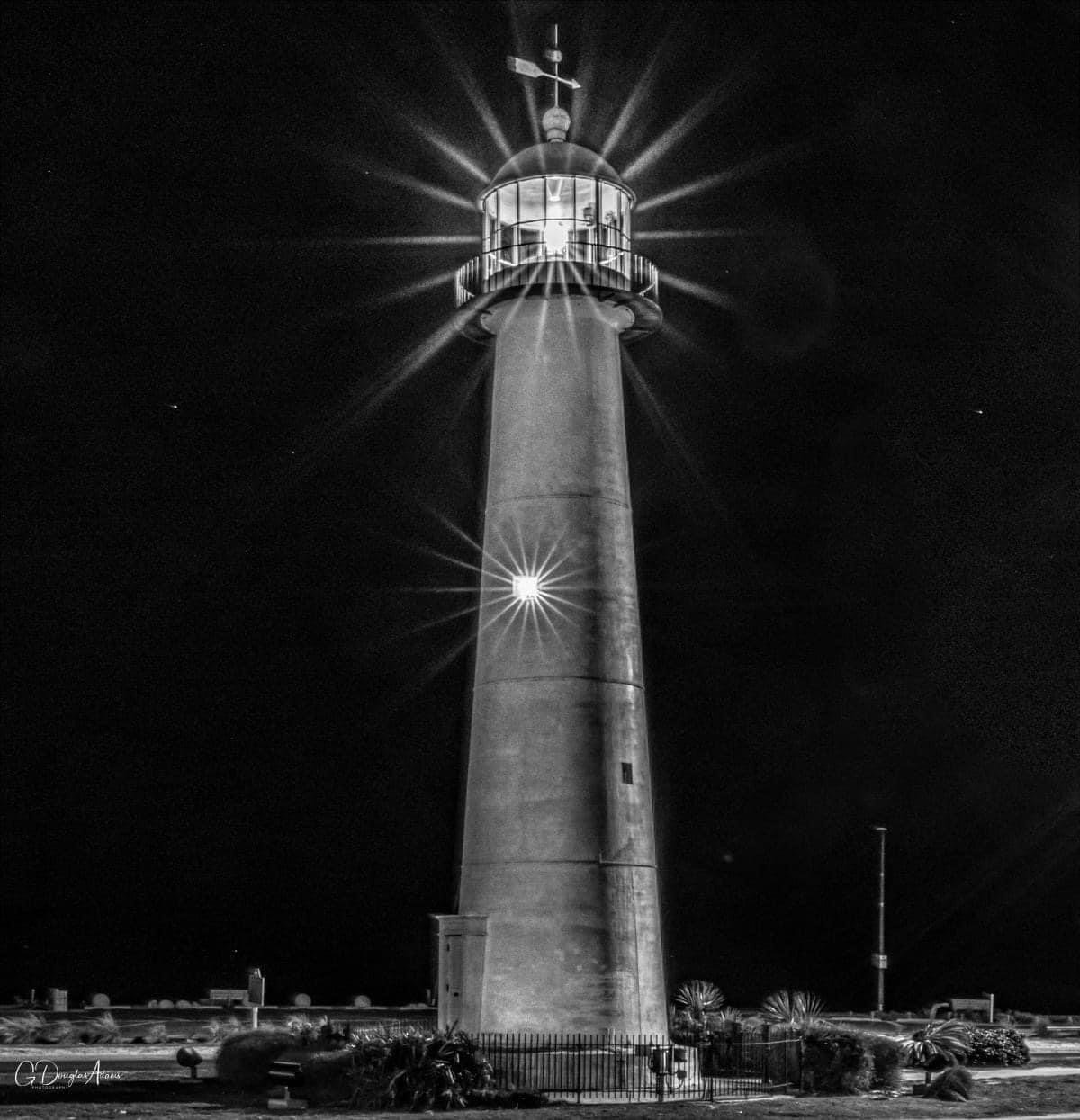
Several years ago, I stopped along Beach Boulevard one evening with my camera and photographed the Gulfport Harbor Lighthouse.
It wasn't for a client.
It wasn't for a listing.
I simply loved the way the light pierced the darkness.
When I returned home, I found myself coming back to that photograph again and again. It stayed within easy reach for years—not because I needed it, but because something about it refused to let go.
At the time, I couldn't explain why.
Looking back, I don't think I was holding onto a photograph.
Perhaps I was holding onto a place that hadn't finished introducing itself.
Every visit since has revealed another layer of Gulfport.
Another neighborhood.
Another conversation.
Another story.
Another reason to return.
Today my work occasionally brings me here to help clients buy and sell everything from waterfront homes and historic properties to bayou retreats and investment opportunities. Every visit gives me another excuse to explore one more street, photograph one more sunset, and discover another chapter of this remarkable community.
What surprises me most isn't how often I return.
It's how naturally Gulfport continues to feel familiar.
Maybe that's what the best communities do.
They don't ask for your attention.
They quietly earn it.
THIS STORY IS JUST BEGINNING
As I packed my camera after another day exploring Gulfport, I realized something had changed.
The beaches are beautiful.
The seafood is unforgettable.
The neighborhoods are welcoming.
The history is remarkable.
But what I'll remember most isn't any single landmark.
I'll remember a city that was imagined when others said it couldn't be built.
A coastline that was reshaped to protect future generations.
Families who rebuilt when many wondered if they would.
Artists who transformed loss into beauty.
Fishermen who continue to launch before sunrise.
And a community that welcomes newcomers with the same Gulf breeze that has carried hope across these waters for generations.
Perhaps that's the soul of Gulfport.
It isn't found in one landmark.
It isn't found in one neighborhood.
It's found in the people, the history, the resilience, and the quiet confidence of a city that never stopped believing in itself.
That's the Gulfport I've come to know - not simply as a destination along the Mississippi Gulf Coast, but as a community whose story deserves to be experienced one conversation, one neighborhood, and one sunset at a time.
As for that lighthouse photograph...
I finally understand why I never put it away.
Sometimes a place finds a way of staying with you long before you realize you've begun to fall in love with it.
And somehow...
This story is just beginning.
About the Author

Douglas Adams is a Global Real Estate Advisor with Crescent Sotheby's International Realty serving Louisiana and the Mississippi Gulf Coast.
Through The Douglas Adams Editorial Series, he explores the history, architecture, neighborhoods, and communities that make the Gulf South such a remarkable place to call home. Every article is based on firsthand experience, original photography, and a passion for telling the stories that exist beyond the front door.
Frequently Asked Questions
Is Gulfport, Mississippi a good place to live?
Many people are drawn to Gulfport for its beautiful beaches, strong sense of community, year-round outdoor recreation, fresh Gulf seafood, and relatively affordable coastal real estate. Residents enjoy easy access to Biloxi, New Orleans, Mobile, and the rest of the Mississippi Gulf Coast.
What is Gulfport known for?
Gulfport is known for its deep-water port, twenty-six miles of white sand beaches, commercial fishing industry, fresh seafood, Jones Park, the Mississippi Aquarium, Ship Island Excursions, and its remarkable recovery following Hurricane Katrina.
Is Gulfport a good place to buy real estate?
Gulfport offers a wide variety of real estate opportunities including waterfront homes, historic cottages, luxury residences, new construction, investment properties, and neighborhoods that appeal to retirees, families, military personnel, and second-home buyers.
What makes Gulfport different from other Gulf Coast cities?
While neighboring communities each have their own personality, Gulfport blends maritime history, commerce, recreation, and authentic coastal living in a way that feels both energetic and welcoming. Its working waterfront, resilient history, and diverse neighborhoods give the city a unique identity.
When is the best time to visit Gulfport?
Spring and fall offer comfortable temperatures and numerous festivals, while summer provides ideal beach weather and family activities. The Mississippi Gulf Coast remains a year-round destination thanks to its mild climate.