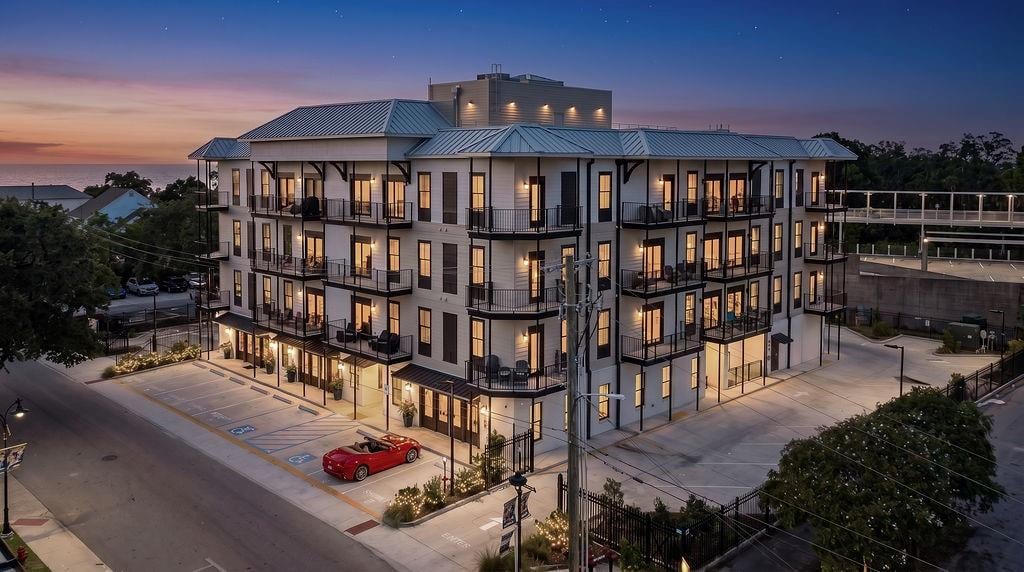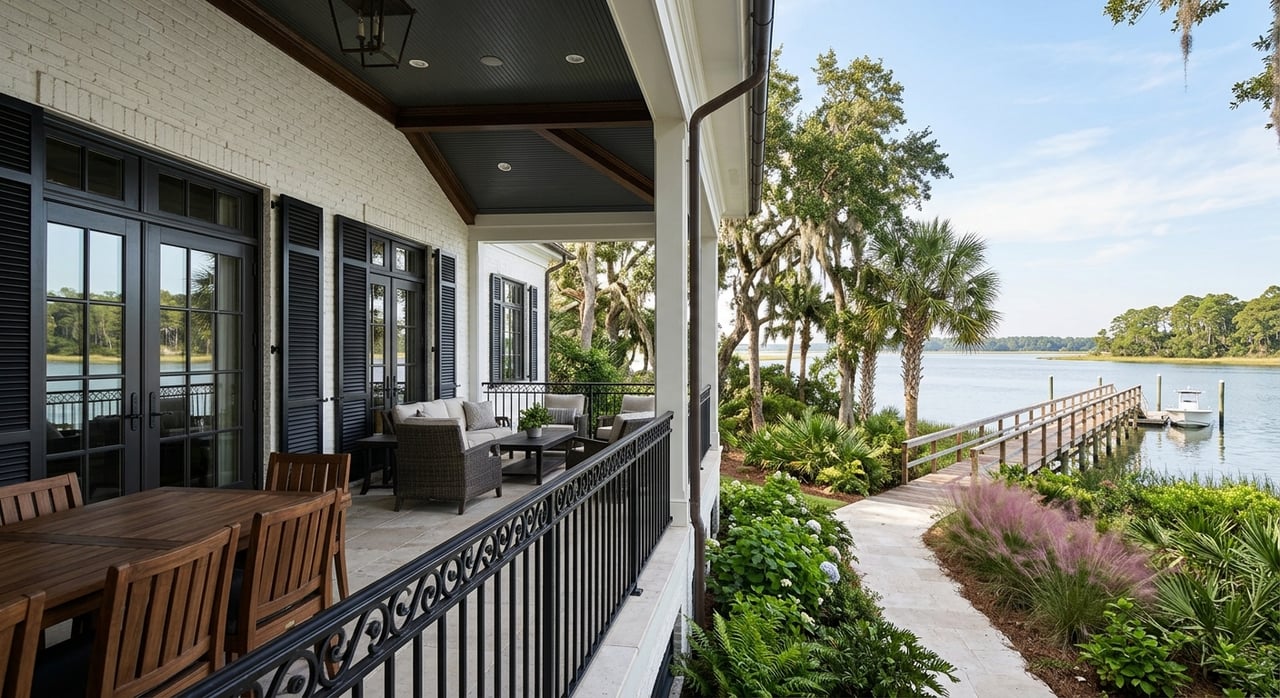
What makes a Bay St. Louis waterfront home stop a buyer mid-scroll? In most cases, it is not just the address. It is the way the home is presented online through photos that make the setting, light, and connection to the water feel immediate. If you are preparing to sell, a few thoughtful steps before the photographer arrives can help your home look more spacious, more polished, and more compelling from the very first click. Let’s dive in.
Why listing photos matter
If you are selling in Bay St. Louis, your first showing often happens online. According to a National Association of Realtors snapshot of today’s home buyers, all buyers used the internet in their home search, and photos were the most useful website feature.
That makes visual presentation a core part of your marketing strategy, not an afterthought. NAR also notes in its seller photo-shoot guidance that high-resolution photos and video tours are essential, and that clutter or poor furniture placement often looks even more obvious through the camera lens.
For waterfront properties, this matters even more. Your home is not only selling rooms and square footage. It is also selling a setting, a view, and a lifestyle tied to the bay.
Show the waterfront connection
Bay St. Louis is closely tied to the water. The city highlights the Municipal Harbor, boardwalk access, sand beach, events deck, and public access to boating and waterfront recreation. That local context shapes what buyers expect to see when they browse a Bay St. Louis waterfront listing.
The most effective photos usually show how your home relates to the water. Buyers want to understand sightlines from the porch, access to a dock or shoreline, how outdoor living areas connect to the bay, and whether the setting feels open and inviting.
Before your shoot, walk through the home as if you were seeing it online for the first time. Look for places where the water should be the visual anchor, then remove anything that competes with that view.
Prioritize these waterfront images
When preparing for photography, focus on spaces that help tell the full story of the property:
- Porch or living area views toward the bay
- Deck, patio, or poolside seating areas
- Dock, bulkhead, seawall, or shoreline access
- Indoor-outdoor transitions such as French doors or large windows
- Exterior angles that show both architecture and water relationship
These are often the images that help a waterfront listing feel distinctive instead of interchangeable.
Declutter with the camera in mind
Even beautiful homes can photograph poorly when everyday items are left in place. The camera tends to magnify visual noise, which is why a room that feels fine in person can look smaller or busier in photos.
NAR’s photo-shoot checklist for sellers recommends making the home spotless, reducing clutter, removing some furniture to make rooms feel larger, opening blinds for natural light, and taking down distracting magnets, art, or overly personal items.
For Bay St. Louis waterfront homes, this applies to outdoor areas too. A porch, deck, or dock should read like an extension of the living space, not like a storage zone.
What to remove before photos
Try to clear away anything that distracts from the home’s architecture or views, including:
- Extra chairs or bulky furniture that crowd a room
- Coolers, hoses, fishing gear, and boat accessories
- Countertop appliances and stacked mail
- Refrigerator magnets and notes
- Excess decor on shelves and tables
- Towels, toiletries, and bath products
- Trash cans and pet items, if possible
The goal is not to make your home feel empty. It is to make each space feel calm, open, and easy for buyers to imagine as their own.
Stage the rooms buyers notice first
You do not always need full-service staging to improve your listing photos. Small, strategic changes can make a strong difference. According to NAR’s staging report, 83% of buyers’ agents said staging made it easier for buyers to visualize a property as a future home.
That same report notes that the living room, primary bedroom, and dining room are among the most commonly staged spaces. If you are deciding where to focus your time and budget, start there.
For a waterfront property, outdoor living space belongs on that priority list as well. If your porch or deck is part of the home’s appeal, it should look intentional, furnished, and ready to enjoy.
Simple staging moves that photograph well
You can often improve photos with a few practical adjustments:
- Use fewer, better-scaled furniture pieces
- Set seating to highlight the view, not the television
- Keep bedding crisp and neutral
- Add light, minimal accessories to key surfaces
- Straighten dining chairs and tabletop decor
- Create a clean seating moment on porches and patios
These edits help buyers focus on proportion, natural light, and the overall feeling of the space.
Use light to your advantage
Lighting can make or break waterfront photography. In Bay St. Louis, weather conditions are an important part of planning. According to NOAA climate normals for the Gulfport-Biloxi area, summers are hotter and wetter, with average highs near 89 to 91 degrees from June through August and notable monthly rainfall.
That makes early or lower-heat shooting windows especially useful in warmer months. Morning light can also produce clearer, crisper images before heat and haze soften the scene.
A flexible schedule matters too. Pop-up rain, humidity, and changing coastal conditions can affect sky color, view clarity, and outdoor comfort on photo day.
Prepare your home for natural light
Before the shoot:
- Open blinds and window coverings
- Replace burned-out bulbs
- Clean windows thoroughly
- Turn off ceiling fans during interior photos
- Remove screens only if your photographer advises it
Clean light helps architecture read clearly and keeps water views looking bright rather than flat.
Time the shoot around tides
Not every seller thinks about tides before listing photos, but for Bay St. Louis waterfront homes, they can change how the property looks. NOAA’s Bay Waveland Yacht Club tide station data shows measurable differences between mean high and low water levels.
That can affect how much shoreline, dock structure, bulkhead, or beach edge appears in your images. In practical terms, the best tide depends on what you want to emphasize.
If you want to show more dock detail or exposed shoreline features, lower water may be helpful. If you want the home to feel closely connected to the bay, higher water may create a stronger visual effect.
Ask these tide-related questions
Before scheduling, think about:
- Does your dock look best with more visible structure?
- Does higher water make the setting feel more expansive?
- Is the shoreline cleaner and more attractive at a certain tide level?
- Does your photographer plan to capture drone or wide exterior images?
This is one of those details that can subtly improve how a waterfront property reads online.
Plan for weather flexibility
Coastal weather adds beauty, but it also requires planning. The National Hurricane Center notes that Atlantic hurricane season runs from June 1 through November 30, so summer and early fall shoots should always include a backup plan.
Even outside storm concerns, changing skies and humidity can affect results. If your marketing depends on premium imagery, it is worth allowing room for a reshoot or a weather-based adjustment.
A calm, bright day with readable shadows will usually serve your property better than trying to force the schedule on a gray or unstable one.
Think beyond still photos
Buyers still rely heavily on photos, but they also respond to immersive media. NAR’s 2025 generational trends report found that photos were very useful to 83% of internet-using buyers, while virtual tours were very useful to 41% and videos to 29%.
That is especially relevant for waterfront homes, where movement, depth, and orientation can be hard to capture in a single frame. A strong photo package should still lead, but video and virtual-tour preparation can help your listing feel more complete.
That means your prep should go beyond the hero shots. Keep every visible room and exterior area ready to be seen from multiple angles.
Your final photo-day checklist
Before the photographer arrives, make sure you have covered the basics:
- Deep clean the entire home
- Declutter interior surfaces and outdoor areas
- Reduce excess furniture where rooms feel tight
- Highlight bay views and sightlines
- Stage the living room, primary bedroom, dining room, and porch
- Open blinds and clean windows
- Check tide timing for docks and shoreline features
- Confirm weather conditions and backup plans
- Prepare the home for both photos and virtual media
When done well, this preparation helps your Bay St. Louis waterfront home look polished, intentional, and true to its setting.
Exceptional listing photos do more than document a property. They shape first impressions, invite emotional connection, and help buyers understand what makes your home distinct. If you are planning to sell and want a presentation strategy that respects both the architecture and the waterfront setting, G. Douglas Adams offers high-touch guidance, professional photography expertise, and premium marketing tailored to distinctive Southern properties.
FAQs
Do Bay St. Louis waterfront homes need full staging for listing photos?
- Not always. Strategic editing, decluttering, and light staging in key rooms like the living room, primary bedroom, dining room, and outdoor living areas can make a strong impact.
Should outdoor spaces matter as much as interior rooms in Bay St. Louis listing photos?
- Yes. For waterfront homes, porches, decks, docks, and other exterior spaces help show how the home connects to the bay and are often central to buyer interest.
Is high tide or low tide better for Bay St. Louis waterfront photography?
- It depends on what you want to highlight. Lower tide may reveal more dock or shoreline detail, while higher tide may make the home feel more directly connected to the water.
Why do professional listing photos matter for Bay St. Louis sellers?
- Buyers usually begin their search online, and NAR reports that photos are one of the most useful features in that process. Strong images help your home stand out early.
Should Bay St. Louis sellers prepare for video and virtual tours too?
- Yes. NAR research shows buyers also find virtual tours and videos useful, so it is smart to prepare the home for more than still photography alone.