If you are selling a heritage home or estate near Natchez, square footage and finishes only tell part of the story. In a market shaped by preserved architecture, home tours, and historic interpretation, buyers often want to understand not just what a property is, but where it fits in the larger story of place. When you present that story clearly and document it well, you can build buyer confidence, support value, and create a stronger listing from day one. Let’s dive in.
Why story carries weight near Natchez
Natchez is not a generic housing market. According to the National Park Service, it is the oldest permanent European settlement along the Mississippi River, and Visit Natchez notes the city was established in 1716 and contains more than 600 examples of historic architecture.
That context matters if you own a heritage property. Buyers, visitors, and preservation-minded audiences in and around Natchez are used to seeing homes as part of a broader historical record, not just as private residences with attractive details.
That expectation is reinforced by local programming. The annual Spring Pilgrimage and home-tour experiences promoted by Natchez organizations center architecture, traditions, and the people connected to these properties. In other words, the local market already responds to narrative, provenance, and visible stewardship.
Heritage value is more than aesthetics
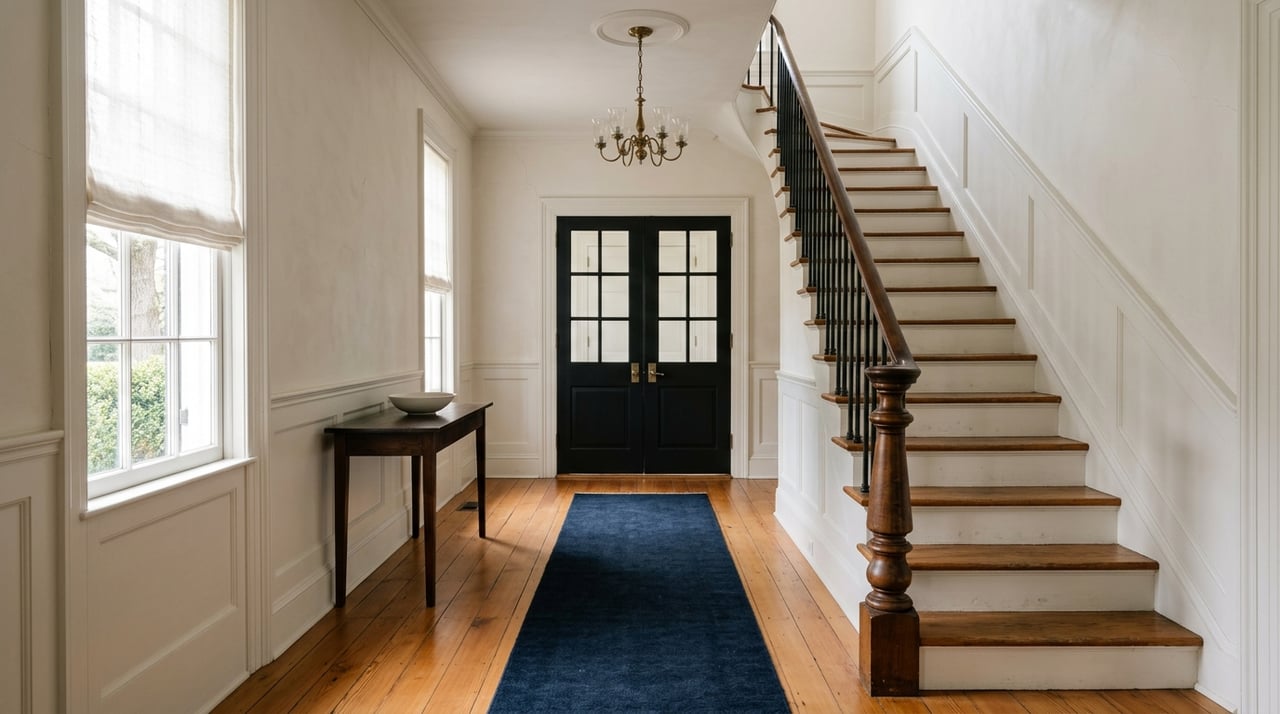
A beautiful staircase, original millwork, or a gracious gallery may catch attention first. But for many heritage buyers, the deeper value comes from documented history, continuity of care, and a clear understanding of what has been preserved, repaired, or updated over time.
That is especially important in a place with layered history. Visit Natchez describes the area as shaped by Native American, African, French, British, and Spanish influences, while the National Park Service interprets sites like Melrose within the history of the cotton economy and chattel slavery. If your home has a meaningful place in that story, the strongest listing acknowledges it with care, accuracy, and context.
Build a provenance file first
Before you think about photography, staging, or pricing strategy, start with documentation. For a heritage home or estate, your most valuable pre-listing asset may be a provenance file that brings the property’s story and physical history into one organized package.
A strong provenance file can include:
- Chain of title
- Prior surveys
- Historic photographs
- Renovation chronology
- Floor plans
- Permit history
- Contractor invoices
- Notes on major system updates
- Records tied to previous rehabilitation work
This kind of documentation is practical, not just academic. The City of Natchez notes that historic review applications are stronger when supported by visuals, drawings, pictures, and historic photographs, and it calls for to-scale drawings with materials, dimensions, and orientation for certain exterior work in historic contexts, as explained in the city’s historic district welcome guide.
Where to fill documentation gaps
Many owners have partial records, but not a complete file. If you are missing pieces, several local and state repositories may help support your research.
The Natchez City Clerk serves as custodian of official records. The Mississippi Department of Archives and History maintains collections that include government records, historic papers, photographs, maps, and audiovisual materials. The Historic Natchez Foundation also states that its mission includes documenting and preserving the city’s historic resources both physically and digitally.
That foundation work can be especially useful for sellers. Historic district context, prior preservation efforts, and National Register connections can all become part of the buyer’s understanding of value and stewardship.
Historic status can shape buyer interest
For the right buyer, a home’s historic context can be a major advantage. The Historic Natchez Foundation says it has prepared National Register nominations for eight historic districts and has listed more than 1,000 historic buildings in the National Register of Historic Places since 1979.
That does not mean every buyer values the same things in the same way. But if your property has recognized historic status, sits within a district, or has a documented preservation history, those facts can strengthen the story of rarity, continuity, and care when presented accurately.
Preservation rules can affect your sale
If you are planning updates before listing, do not assume every exterior improvement can be done quickly or informally. Natchez has six local historic districts, and the city states that exterior repairs, construction, and significant landscaping changes generally require a Certificate of Appropriateness, as outlined in its historic district resources.
The same city guidance notes that some in-kind repairs using the same materials may be approved administratively. That can be helpful if you are trying to handle smaller pre-listing improvements while staying within local review standards.
The scope of review can also be broader than many sellers expect. According to the city’s welcome guide, the Preservation Commission’s jurisdiction can apply to local historic districts, National Register properties, Mississippi Landmarks, National Landmarks, and properties within 300 feet of certain landmarks. If your estate is near a major historic site, proximity alone may affect what can be altered.
Pre-listing diligence protects leverage
Older homes often come with hidden issues, even when they are beautifully maintained. That is why pre-listing diligence matters so much for heritage properties.
The National Association of Realtors notes in its consumer guide to preparing to sell your home that a pre-listing inspection can help identify issues before the buyer’s inspection and give you time to repair, document, or price accordingly. Typical inspection areas include the structure, roof, plumbing, electrical, HVAC, ventilation, and fireplaces, with additional testing that may include mold, radon, lead paint, and asbestos.
For a historic home, that knowledge is leverage. It lets you answer questions with facts, reduce surprises during negotiation, and show that the property has been approached with care rather than guesswork.
Keep tax credit records together
If prior work involved preservation incentives, keep those records close at hand. The Mississippi Department of Archives and History explains that the state offers a 25 percent historic preservation tax credit for qualifying rehabilitation of historic structures used as income-producing properties or owner-occupied dwellings, while the federal 20 percent credit applies only to income-producing uses and requires a certified historic structure and qualifying work.
Even if a future buyer will need independent guidance on eligibility, your existing documentation can still add credibility. It helps establish what work was done, when it was completed, and how the property has been stewarded over time.
If use history matters, verify it
Some estates attract buyers who are interested in potential hospitality or income-producing use. If the property may be discussed in connection with a bed-and-breakfast or short-term rental history, clarity matters.
Natchez’s historic district resources state that those uses are limited to certain districts and require approval, a privilege license, and inspection by the Building Official and Fire Marshal. If that history is part of the property’s appeal, make sure the status is current, documented, and presented accurately.
Present the architecture clearly
Once the documentation is in order, presentation becomes the next major opportunity. Heritage homes do not benefit from rushed marketing or generic photography. They need imagery that helps buyers understand scale, craftsmanship, sequence, and setting.
The National Association of Realtors notes that staging can help buyers imagine living in a home, and that clean, uncluttered spaces and strong curb appeal improve how a property reads in photos. For a heritage estate, that usually means showing the facade, entry sequence, staircases, mantels, millwork, galleries, outbuildings, and grounds with consistency and restraint.
That approach aligns naturally with G. Douglas Adams’ brand of high-touch listing preparation, professional photography, and narrative-led marketing. For unique Southern properties, premium visual presentation is not a luxury extra. It is part of how the market understands value.
Match the marketing to the property
A heritage listing near Natchez deserves more than a short description and a basic photo set. The strongest campaigns usually combine:
- A concise historical timeline
- A room-by-room feature inventory
- A restoration or update summary
- A documented provenance package
- A thoughtful photo set tied to key architectural features
- Marketing language that explains stewardship and context
That strategy fits the local market. Natchez already presents homes through guided interpretation, historic photographs, and story-based experiences, from Spring Pilgrimage programming to broader preservation efforts. Buyers drawn to this area are often responding to more than utility alone.
Story supports price and confidence
In a heritage market, story is not cosmetic. It can support pricing by helping buyers understand why one property stands apart from another. It can support preservation review by showing the thought and documentation behind prior work. And it can support smoother negotiations by reducing uncertainty.
When you can show a property’s timeline, explain its setting, document its updates, and present its architecture with precision, you are not simply marketing a house. You are helping the next steward understand what they are being asked to value.
If you are preparing to sell a heritage home or estate near Natchez, a thoughtful strategy can make all the difference. G. Douglas Adams combines narrative-driven marketing, professional visual presentation, and pragmatic transaction guidance to help distinctive properties reach the right audience. If you are ready to position your property with clarity and care, schedule a private consultation.
FAQs
Why does story matter when selling a heritage home near Natchez?
- In the Natchez market, buyers often value documented history, architectural context, and evidence of stewardship, not just size and finishes.
What should a provenance file for a historic property include?
- A strong provenance file can include chain of title, surveys, historic photographs, renovation records, permits, contractor invoices, floor plans, and notes on major system updates.
Do Natchez historic district rules affect pre-listing improvements?
- Yes. The city states that many exterior repairs, construction projects, and significant landscaping changes in historic contexts may require review or a Certificate of Appropriateness.
Should you get a pre-listing inspection for an older estate near Natchez?
- A pre-listing inspection can help you identify issues early, make repairs if needed, and reduce negotiation surprises once a buyer begins due diligence.
Can prior preservation tax credit records help when selling a historic home?
- Yes. Those records can help document rehabilitation work and support the property’s overall story of preservation and care.