If you picture New Orleans as all late nights and tourist landmarks, Uptown may surprise you. This part of the city moves with a steadier rhythm, shaped by oak-lined streets, neighborhood commerce, historic homes, park access, and one of the city’s most recognizable transit lines. If you are wondering what daily life here actually feels like, this guide walks you through a typical day and shows why Uptown continues to hold such lasting appeal. Let’s dive in.
Uptown starts with a strong sense of place
Uptown is often experienced less as a single neighborhood and more as a collection of connected streets and daily routines. The Preservation Resource Center describes it as one of the largest historic neighborhoods on the National Register of Historic Places, with more than 10,000 historic buildings.
That scale matters when you live here. You are not moving into a pocket that feels isolated or narrowly defined. You are stepping into a broad, established part of New Orleans where residential blocks, local businesses, civic landmarks, and green spaces all work together.
St. Charles Avenue and Magazine Street help define that identity. So do Audubon Park, the riverfront, and the Tulane and Loyola campuses, which give the area a familiar weekday pulse without making it feel purely institutional.
Morning in Uptown feels grounded
A day in Uptown often begins with the streetscape itself. Live oaks, wide neutral grounds along St. Charles Avenue, and a mix of cottages, row houses, and larger historic residences create a setting that feels visually layered from the moment you step outside.
The city describes St. Charles Avenue as one of New Orleans’ most important residential thoroughfares. Its broad median, streetcar line, and mature tree canopy give it a scale that feels grand, but daily life along the corridor is still practical and lived-in.
In many parts of Uptown, the morning is not about rushing from one disconnected destination to another. It is about moving through a neighborhood where errands, coffee, transit, and recreation often sit within the same general orbit.
Magazine Street anchors daily errands
For many residents, Magazine Street is the workhorse of everyday life. New Orleans & Company describes it as a six-mile stretch filled with shopping, cafes, bakeries, restaurants, bars, vintage stores, and locally owned shops, extending from Canal Street through Uptown to Audubon Park.
That variety shapes the experience of living nearby. You may head out for coffee, stop for a quick purchase, pick up something for dinner, and still feel like you stayed within the neighborhood’s natural rhythm.
This is part of what makes Uptown so livable. It offers convenience without losing its character, and activity without feeling overly compressed.
St. Charles keeps the day moving
The St. Charles streetcar is not just a postcard image. It is part of the area’s everyday pattern, running from Canal Street to Carrollton through Uptown and around Riverbend, passing Tulane, Loyola, Audubon Park, restaurants, and bars.
New Orleans & Company notes that it is the oldest continuously operating streetcar line in the world. For residents, though, its value is more immediate. It provides a familiar route through one of the city’s most beautiful corridors and connects daily destinations in a way that feels distinctly New Orleans.
RTA also notes that the St. Charles line includes 12 ADA-accessible stops, and riders can use the Le Pass app to plan trips and buy fare. That makes the line both scenic and useful, which is a rare combination in any city.
Midday reveals Uptown’s layered character
By midday, Uptown shows why it appeals to people who want more than a simple address. The area combines historic architecture, local commerce, institutional landmarks, and open space in a way that gives the neighborhood texture throughout the day.
Tulane University’s uptown campus sits at 6823 St. Charles Avenue, and Loyola University’s main campus is at 6363 St. Charles Avenue. Their location directly on the St. Charles corridor helps shape the neighborhood’s daytime energy, especially during the academic year.
That does not mean Uptown feels dominated by campus life. Instead, the universities become part of a broader landscape that includes homes, shops, park access, and long-established streets that continue to define the area.
Architecture tells the story
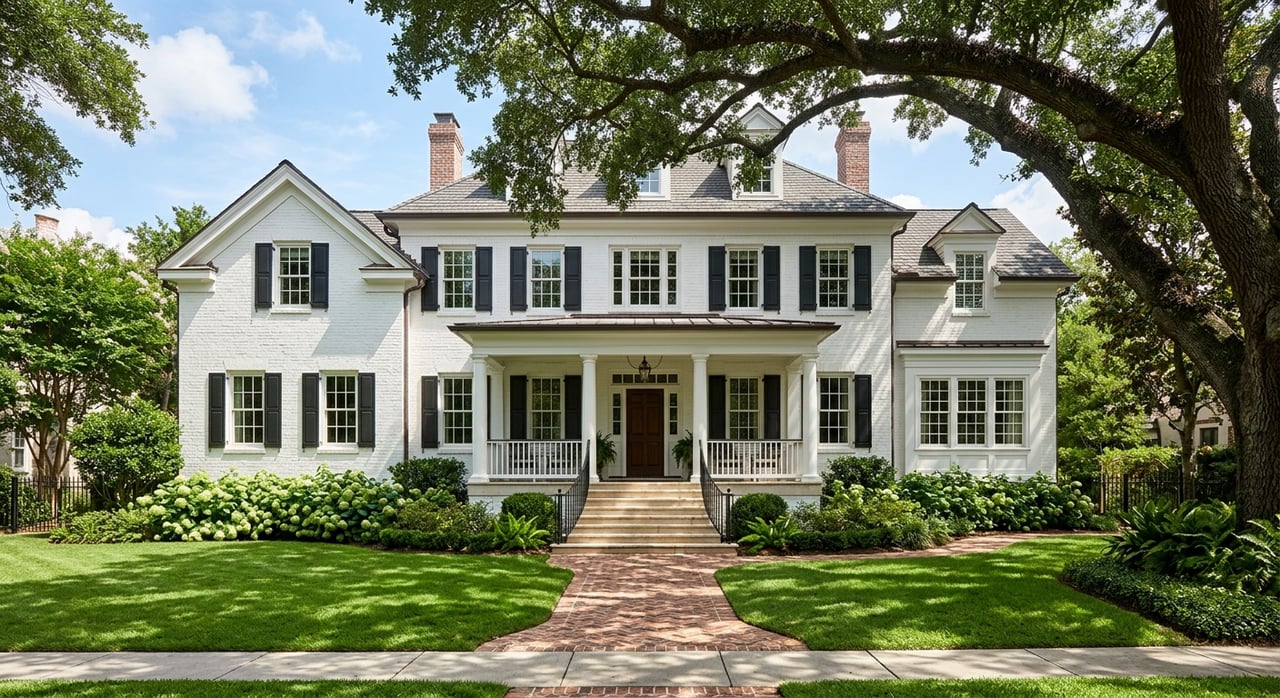
One of Uptown’s strongest qualities is that it does not feel visually repetitive. New Orleans & Company describes the built environment as a mix of row houses, Classic Revival mansions, and cottages under live oaks.
On St. Charles Avenue, the city points to late-19th- and early-20th-century homes, with architectural styles that include Greek Revival, Italianate, and Queen Anne. Some properties near Jackson Avenue are antebellum survivors, adding another layer to the corridor’s architectural history.
Many of these homes sit on larger lots with front yards, iron fences, and in some cases driveways or garages. Even where on-street parking remains part of daily life, the overall effect is greener and more spacious than many urban corridors.
For buyers who care about provenance and design, this variety is a major part of Uptown’s draw. The neighborhood offers homes with distinct visual identities rather than a one-note streetscape.
Afternoons often lead to Audubon
If Uptown has an everyday escape valve, it is Audubon Park. The park is open daily from 5 a.m. to 10 p.m. and includes ancient live oaks, a 1.8-mile jogging path, a lagoon, shaded pavilions, playgrounds, tennis courts, riding stables, soccer fields, a pool, a clubhouse, and a golf course.
That breadth of amenities gives residents options without requiring a major outing. You can fit a walk, jog, family stop, or quiet break into a normal day and still remain close to home.
The park also helps explain Uptown’s pace. Even when the neighborhood is active, there is usually a place nearby to slow down, get outside, and reset.
The Fly adds riverfront perspective
Riverview Park, often called The Fly, expands that outdoor network to the Mississippi River’s edge. Audubon describes it as a scenic park near Audubon Park and the zoo, with lawns, walking paths, sports fields, picnic space, and sunset views, also open daily from 5 a.m. to 10 p.m.
This gives Uptown a second kind of open-air experience. Audubon Park feels interior and shaded, while The Fly opens up to sky, river, and wider views.
That contrast is part of what makes the area memorable. Within a relatively contained section of the city, you can move from historic residential streets to commercial corridors to major green space and riverfront access in the course of a single day.
Evenings bring a different Uptown energy
As the day winds down, Magazine Street tends to take over again. New Orleans & Company highlights the corridor’s coffee shops, restaurants, bars, and cocktail spots, along with a dining scene that spans casual, classic, modern, brunch-oriented, upscale, and late-night options.
For residents, this means you do not have to leave the neighborhood to shift from practical daytime routines into evening plans. Uptown supports both, which is one reason it appeals to buyers seeking a full lifestyle rather than a home in isolation.
The mood is also flexible. An evening can feel easy and understated or more social and lively, depending on where you go and how you want the night to unfold.
St. Charles also carries ceremony
Daily life in Uptown is not limited to ordinary routines. St. Charles Avenue also holds a ceremonial role in the city, especially during Mardi Gras season.
The city notes that Mardi Gras parades typically begin on Napoleon Avenue and roll down St. Charles toward Canal Street. That means one of Uptown’s central residential corridors can also become a major civic stage, tying neighborhood life to one of New Orleans’ most recognized traditions.
For residents, that dual identity is part of the appeal. The same avenue that supports commuting, walking, and streetcar rides can also become a seasonal gathering place with citywide significance.
Why Uptown living stands out
What makes Uptown distinctive is not any single feature on its own. It is the way the pieces fit together: historic housing stock, practical shopping corridors, established institutions, recognizable transit, major parks, and riverfront access.
It is also a neighborhood where architecture and daily life remain closely linked. You see that in the scale of St. Charles Avenue, the commercial texture of Magazine Street, the tree canopy, and the variety of homes that give each block its own look and rhythm.
For buyers considering Uptown, that blend can be especially meaningful. You are not just choosing square footage or a map point. You are choosing a lifestyle shaped by place, pattern, and a strong physical sense of New Orleans.
If you are exploring Uptown because you want a home with architectural character and a neighborhood with lasting daily appeal, working with an advisor who understands both story and strategy matters. To start that conversation, schedule a private consultation with G. Douglas Adams.
FAQs
What is daily life like in Uptown New Orleans?
- Daily life in Uptown often centers on walkable errands, local shops along Magazine Street, rides on the St. Charles streetcar, time in Audubon Park, and evenings spent at nearby restaurants and cafes.
What makes Uptown New Orleans distinctive?
- Uptown stands out for its historic scale, more than 10,000 historic buildings, oak-lined streets, varied architecture, major park access, riverfront leisure space, and the iconic St. Charles Avenue corridor.
What is Magazine Street like in Uptown New Orleans?
- In Uptown, Magazine Street serves as a practical daily corridor with cafes, bakeries, restaurants, bars, shopping, and locally owned businesses that support both errands and leisure.
How does the St. Charles streetcar shape Uptown living?
- The St. Charles streetcar connects Uptown destinations including Tulane, Loyola, Audubon Park, and nearby dining and retail areas, while also offering a scenic and recognizable way to move through the neighborhood.
What outdoor spaces are available in Uptown New Orleans?
- Uptown offers access to Audubon Park and Riverview Park, also known as The Fly, with walking paths, open lawns, sports areas, picnic space, and long daily operating hours.
What types of homes are found in Uptown New Orleans?
- Uptown includes a mix of cottages, row houses, Classic Revival mansions, and late-19th- and early-20th-century homes, with styles along St. Charles Avenue that include Greek Revival, Italianate, and Queen Anne.