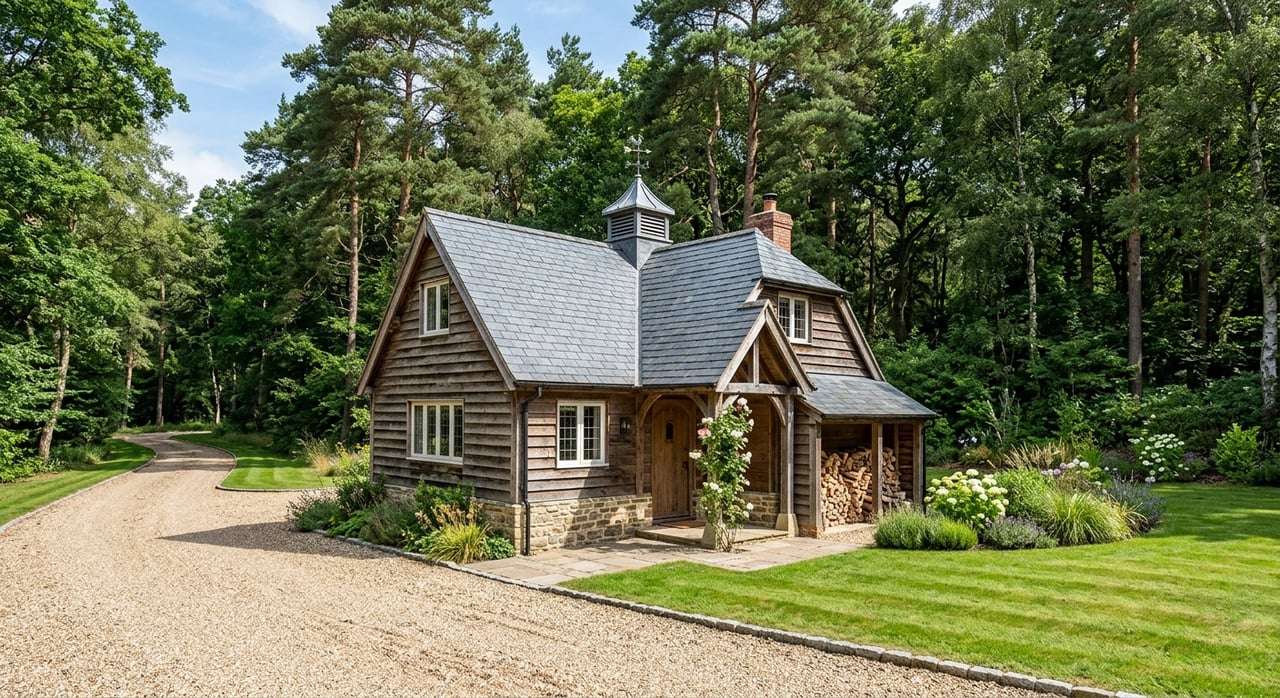
Are you picturing a wooded retreat near Natchez, a future hunting tract, or a long-term legacy investment? Recreational land can offer all of those possibilities, but the right parcel depends on much more than the number of acres on the listing. If you understand access, terrain, flood exposure, timber potential, and cross-border logistics before you buy, you can make a far more confident decision. Let’s dive in.
Why recreational land near Natchez draws attention
Recreational and timberland tracts play a major role in the rural land market. Mississippi State University Extension’s 2026 land-market analysis found that recreational and timberland accounted for 77% of agricultural land purchases from 2019 through early 2023.
That matters if you are shopping near Natchez because you may be competing with more than just weekend buyers. The same report found that financial and real estate buyers increased their share of recreational and timberland transactions from 5% to 11%, which suggests that some buyers are evaluating these properties as both lifestyle holdings and long-term assets.
In practical terms, acreage alone does not tell the full story. A tract may look appealing on paper, but its real value often comes down to whether it works as hunt land, a family retreat, a timber hold, or a land bank for the future.
Start with legal access
One of the biggest mistakes land buyers make is assuming a map view tells them everything they need to know. In rural areas near Natchez, access is not just about whether you can see a road leading to the property.
Adams County’s Road Department maintains county roads and bridges, but the county assessor’s GIS site states that parcel data is for assessment purposes only and is not a legal survey or legal document. That means you should verify recorded access, easements, and road responsibility before you assume a parcel is fully usable.
Questions to ask about access
- Does the property have deeded legal ingress and egress?
- Is access from a public road or a private lane?
- Who maintains the road or drive into the tract?
- Are there easements that affect how you reach or use the property?
A beautiful tract can become much less attractive if access is informal, disputed, or difficult to maintain. If you plan to use the property regularly for recreation or future improvements, access should be one of the first issues you resolve.
Understand Natchez-area terrain
The land around Natchez can change quickly from one parcel to the next. The area includes loess bluff country as well as Mississippi River floodplain conditions, and those landscapes can behave very differently.
The National Park Service describes the Natchez loess bluffs as deep windblown soil deposits. At the same time, the Adams County Flood Insurance Study examines flooding tied to the Mississippi River and St. Catherine Creek, which is a reminder that low-lying land and higher bluff tracts are not interchangeable, even when they are in the same general market.
Why terrain matters to your plans
If you are thinking about a camp or future homesite, slope, drainage, and stability all matter. If your focus is hunting or recreation, terrain can influence access, trail placement, habitat patterns, and seasonal usability.
This is why two tracts with similar acreage can feel completely different in practice. One may offer drier ground and easier movement, while another may present seasonal water issues or limited use during wet periods.
Check floodplain and soils early
Flood exposure is parcel-specific, especially in a market shaped by river systems, creeks, and changing elevation. Before you move too far forward, confirm the exact tract’s flood hazard information through FEMA’s official Flood Map Service Center.
Soils matter just as much. NRCS Web Soil Survey provides current soil data that can help you compare wooded acreage, possible camp sites, future homesites, and wet-ground tracts.
What flood and soil review can reveal
- Whether a likely building area sits in a flood-prone zone
- How well the ground may drain
- Whether certain sections are better suited for trails, recreation, or limited improvement
- Potential constraints for future site work or wastewater planning
This step can save you from buying a tract that looks ideal in photos but proves far less flexible once you study the ground conditions.
Evaluate timber as part of value
For many buyers near Natchez, timber is not just background scenery. It may be part of the tract’s long-term economics, habitat quality, and legacy appeal.
The Mississippi Forestry Commission advises private landowners to use a registered forester to develop a forest management plan, plan a harvest, choose the selling method, prepare a contract, and monitor closeout. The Commission also notes that properly managed forests generally yield more timber, have a higher net present value, and support wildlife habitat better than unmanaged forests.
That makes a forester’s review an important part of due diligence when timber contributes to the value story. Even if you do not plan to harvest soon, it is wise to understand what is actually growing on the property and how that timber base may fit your long-term goals.
Timber questions worth asking
- Is the timber mature, mixed-age, or recently cut?
- Does the tract size support future harvest options?
- Are the roads good enough to support timber operations later?
- Would a forest management plan improve both habitat and long-term value?
According to the Mississippi Forestry Commission, a minimum of 10 to 20 acres is typically needed to contract a logging company, and larger tracts near quality roads often receive higher prices per unit volume. That does not mean every buyer should think like a timber operator, but it does mean timber potential should be measured, not guessed.
Consider hunting and recreational use carefully
Many buyers are drawn to land near Natchez for hunting, fishing access, quiet weekends, or family gatherings outdoors. Those uses can add real enjoyment and, in some cases, supplemental income if leasing is part of the plan.
Mississippi State University Extension notes that hunting and fishing leases can provide supplemental income, but they should be handled through serious written agreements with screening, clear terms, and liability insurance. The same guidance also notes that landowners owe duties of care to invited users and that trespass on private land without permission is a misdemeanor in Mississippi.
Recreational use is more than a wish list
If you want a tract that supports hunting or leasing, think through how the property can be managed safely and consistently. Access points, internal roads, boundaries, neighboring uses, and the ability to control entry all affect whether recreational use is practical.
A parcel may be enjoyable for personal use but poorly suited for lease activity. On the other hand, a well-located tract with manageable access and strong habitat could support both private enjoyment and structured recreational use.
Plan for utilities and wastewater
Raw land often invites big ideas. A cabin, a camp, a small improvement, or a future homesite may all sound straightforward at first, but the utility story can change the picture quickly.
Inside Natchez city limits, the City Planning department handles contractor permits, electrical inspections, utility permit request applications, Entergy permit applications, and water-works functions. If a parcel is in or near the city and your plans involve improvements, that city-level coordination may be a key step.
Wastewater is another major factor. Mississippi’s On-Site Wastewater program states that its soil and site evaluations provide a Permit/Recommendation required to obtain a water meter. In Louisiana, parish sanitarians operate the onsite wastewater permitting system, and a basic license is required to install a septic-tank system.
Why utility feasibility matters
- A future cabin site is only useful if utility and wastewater requirements can be met
- Soil and site conditions may affect septic approval
- The permitting path may differ significantly between Mississippi and Louisiana
- Existing approvals can add clarity, while raw tracts may require more investigation
If a property sits near the state line or your search includes both sides of the river, utility planning should always be tied to the correct jurisdiction.
Handle title and records correctly
Title and survey work deserve extra attention with recreational land, especially in a cross-border market like Natchez. A tract may appear simple in a map viewer while the actual record history tells a more detailed story.
In Adams County, the Chancery Clerk serves as the public recorder for deeds, mortgages, and related real property records, and the county states that land records are open to the public. In Louisiana, parish clerks maintain and preserve official parish land records, and participating parishes may offer remote access through the LCRAA portal.
The key point is simple: parcel maps are helpful, but they are not a substitute for legal records or a survey. If a tract crosses county or parish lines, title, survey, and recording work should be coordinated in the proper jurisdiction.
A practical order for due diligence
When you are evaluating recreational land near Natchez, the order of your research can make the process more efficient. Some issues can quickly change whether a tract fits your goals at all.
A practical sequence is:
- Access first
- Floodplain and soils second
- Timber and habitat third
- Utilities and title last
This order helps you avoid spending too much time on a tract that fails on the basics. If legal access is weak or flood exposure undermines your plans, it is better to know that early.
Buying with a long view
The best recreational properties near Natchez tend to offer more than one kind of value. You may be looking for a quiet retreat today, but you may also want timber potential, future improvements, or a land holding that can stay in the family for years.
That is why disciplined due diligence matters so much in this market. When you match the parcel’s access, terrain, and management realities to your intended use, you put yourself in a stronger position to buy wisely and enjoy the property with fewer surprises.
If you are considering recreational land near Natchez or comparing acreage on both sides of the state line, G. Douglas Adams can help you evaluate the details that shape long-term value and a smoother acquisition process.
FAQs
What should you verify first when buying recreational land near Natchez?
- Legal access should come first, including deeded ingress and egress, easements, and whether the route is tied to a public road or private lane.
Why does terrain matter for Natchez-area recreational property?
- The Natchez area includes both loess bluff terrain and floodplain conditions, so slope, drainage, and elevation can significantly affect how a tract can be used.
How can you check flood risk on land near Natchez?
- You can review parcel-specific flood hazard information through FEMA’s official Flood Map Service Center before moving forward.
Why should you review soils before buying recreational acreage?
- Soil data can help you understand drainage, site suitability, and potential limits for camp sites, homesites, trails, or wastewater planning.
When is a forester useful for a recreational land purchase?
- A forester is especially useful when timber contributes to the tract’s value, habitat quality, or future income potential.
What is different about buying land near the Mississippi-Louisiana line?
- Utility permitting, wastewater rules, and land records may differ by jurisdiction, so title, survey, and permitting work need to be handled in the correct county or parish.