If you own a historic estate near Natchez, you are not just selling square footage. You are offering a property with story, architecture, and place, all of which can resonate far beyond the local market. For sellers who want to reach qualified out-of-state and international buyers, the right preparation can protect character while strengthening appeal. Let’s dive in.
Think Beyond a Standard Luxury Listing
Natchez stands apart because of its preservation depth and historical context. The National Park Service describes it as the oldest permanent European settlement along the Mississippi River, and the city includes eight National Register districts, 13 National Historic Landmarks, and the UNESCO-recognized Forks of the Road site.
That context matters when you prepare an estate for market. A heritage property in the Natchez area is often best presented as a place-based asset with documented architectural continuity, stewardship, and history, not simply as a large home with acreage.
For the global luxury audience, that story can be a major value driver. International buyers purchased $42 billion in existing U.S. homes in the most recent reporting period, and half of those purchases were all cash. In the high-end segment, buyers are often comparing unique properties across regions, so your estate needs to stand out on history, presentation, and credibility.
Start With Provenance
Before you repaint, restage, or schedule photography, gather the estate’s history. Provenance gives your listing authority and helps buyers understand what makes the property special.
A strong starting point is verifying whether the property is listed in the National Register. The Mississippi Department of Archives and History maintains the Historic Resources Inventory Database and notes that owners can use it, or contact staff, to determine a property’s status.
Just as important, MDAH notes that National Register listing does not restrict a private owner’s use of the property or require public access, though local rules may still apply. That distinction can help reduce confusion for buyers who are unfamiliar with historic designations.
What to include in a provenance packet
A thoughtful provenance packet helps remote and luxury buyers evaluate the estate with confidence. It can also support a more compelling listing narrative.
Include items such as:
- A concise ownership timeline
- Historic photographs, if available
- Notes on major alterations or restoration work
- A summary of outbuildings and landscape features
- Photos of important architectural details
- Documentation of significant interior spaces
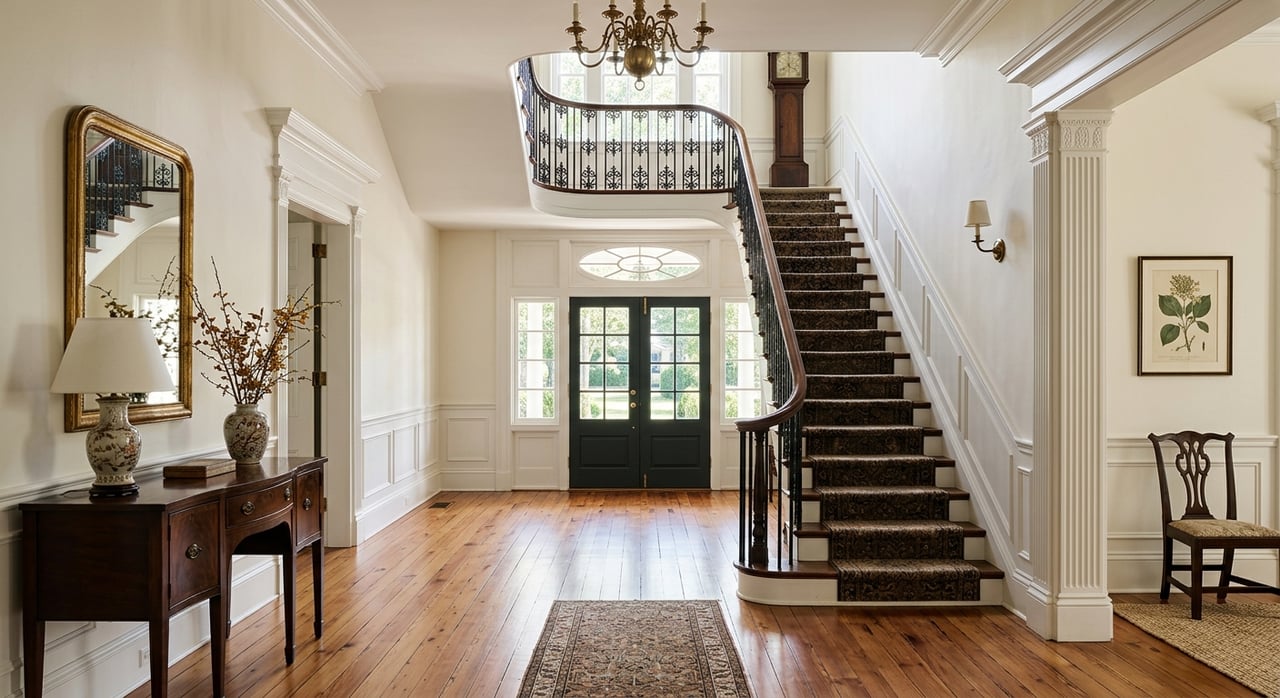
This approach aligns with the kind of documentation MDAH expects for historic review work, including labeled images, exterior views, major interior spaces, and notable details like porches, mantels, and staircases.
Respect Natchez Preservation Rules
Preparation should never begin with rushed exterior changes. In Natchez, preservation rules can shape what you can update and when approvals are needed.
The city’s preservation ordinance states that no exterior feature of a resource may be altered, relocated, or demolished until a Certificate of Appropriateness has been approved. Ordinary maintenance and repair are exempt, but many visible elements fall under review.
That includes more than the house itself. The ordinance also covers features such as walls, fences, steps, paving, sidewalks, awnings, shutters, light fixtures, landscape elements, solar panels, satellite dishes, and signs.
Plan cosmetic work around approvals
If your estate is in the Historic District, timing matters. The City of Natchez says exterior paint color changes require a Paint Application, which normally takes one to three business days and has no fee.
Fences can also be regulated, and some new fences or gates may require Preservation Commission approval. If you are preparing for a launch date, build those review windows into your schedule rather than treating them as last-minute tasks.
Choose repairs that preserve character
Natchez design guidelines are based on the Secretary of the Interior’s Standards for Rehabilitation. In practical terms, that usually means retaining historic character, preserving original materials and details where possible, and making changes reversible when feasible.
For sellers, that often points to a clear strategy. Repair is usually more appropriate than replacement for character-defining features such as trim, shutters, and porch elements. If additions or larger changes are considered, they are generally best kept minimal and placed to the rear when possible.
Make Smart, Light Improvements
Global luxury buyers respond to quality, but quality does not always mean a full renovation. In many Natchez-area heritage estates, the most effective pre-sale improvements are light, well-edited, and respectful of the home’s existing fabric.
Focus on work that improves condition and clarity without erasing age or craftsmanship. Buyers shopping in this category often want authenticity, not over-modernization.
Prioritize updates like:
- Careful repair of visible trim, shutters, or porch components
- Fresh maintenance where exempt under local rules
- Approved paint refreshes where needed
- Landscape cleanup that highlights the architecture
- Removal of visual clutter inside and out
- Staging that supports scale and circulation without competing with details
If your project moves beyond light preparation into a larger rehabilitation, MDAH notes that the work must meet the Secretary of the Interior’s Standards for Rehabilitation. It also administers state and federal rehabilitation tax credit programs, which may be relevant background for owners planning deeper work.
Build Digital Assets for Remote Buyers
Luxury buyers often start online, and remote buyers rely on visuals even more. If your estate is meant to reach a broader audience, digital presentation is not optional.
According to NAR’s 2024 buyer report, 41% of buyers first looked online for properties. Among buyers who used the internet, the most useful website features were photos at 66%, detailed property information at 65%, and floor plans at 47%.
That means your listing should function like a polished digital dossier. Photos alone are not enough. Buyers want context, layout, and a sense of how the property lives.
Essential listing assets
To reach the global luxury market, your estate should be supported by:
- Professional photography with accurate color and strong architectural framing
- Floor plans that clarify flow and scale
- Video that captures approach, setting, and exterior presence
- A virtual tour or 3D tour for remote exploration
- Detailed written property information
- Clear disclosure of known issues
NAR specifically recommends sharing photos, video, virtual tours, floorplans, and digital walkthroughs such as Zoom or FaceTime. It also recommends transparency around known property issues, which helps build confidence with long-distance buyers.
Why 3D and video matter
Static photography remains essential, but richer media adds depth. Zillow’s 2024 survey found that 70% of buyers believed 3D tours helped them understand space better than static photos, and 62% wished more listings offered them.
At the same time, only 23% felt very or extremely confident making an offer based on a virtual tour alone without an in-person visit. That tells you something important. Digital assets should not replace the lived experience of the estate, but they should do enough to earn serious interest and motivate a private showing.
Tell the Estate’s Story Clearly
A global buyer may fall in love with a home from thousands of miles away, but only if the story is easy to understand. That story should be concise, factual, and grounded in the property’s architecture and setting.
Avoid vague luxury language. Instead, explain what is verifiable and meaningful: the estate’s period details, ownership history, preservation context, notable outbuildings, landscape features, and relationship to Natchez’s broader historical environment.
The strongest heritage marketing themes
For many Natchez-area estates, the most persuasive themes include:
- Stewardship across time
- Architectural integrity
- Documented historic context
- Preservation-sensitive improvements
- Estate scale and setting
- Readiness for remote evaluation
This kind of narrative aligns with how distinctive homes are marketed in the global luxury space. It also helps attract buyers who understand that provenance and presentation can carry as much weight as finishes.
Prepare the Transaction Side Too
Presentation gets attention, but readiness helps a sale move forward. Luxury and cross-border transactions often involve more questions, more documentation, and more coordination than a typical local sale.
That is why preparation should include both visual assets and practical organization. When buyers can quickly review the estate’s history, features, condition, and approvals, you create a smoother path from first inquiry to serious negotiation.
Before launch, make sure you have:
- A complete property fact set
- Available historic documentation
- A clear list of recent repairs or improvements
- Approval records for relevant exterior work, if applicable
- A thoughtful plan for remote tours and follow-up
Position the Estate for the Right Audience
Not every buyer is the right buyer for a Natchez-area heritage estate. The goal is not just broad exposure. It is qualified exposure to people who value architecture, history, and the responsibility that comes with ownership.
That is where preparation, presentation, and audience strategy come together. When you document the estate carefully, respect local preservation rules, and create premium visual assets, you give the property its best chance to connect with buyers on a national and international level.
A heritage estate deserves more than a generic listing plan. If you are preparing to sell and want a strategy built around provenance, visual quality, and global reach, schedule a private consultation with G. Douglas Adams.
FAQs
What makes a Natchez-area estate appealing to global luxury buyers?
- Natchez offers unusual historical depth, including multiple National Register districts and National Historic Landmarks, which can make a well-documented estate more compelling to buyers seeking architecture, story, and place.
What should a provenance packet include for a historic Natchez estate?
- A useful provenance packet usually includes an ownership timeline, historic photographs, notes on major alterations, a summary of outbuildings and landscape features, and photos of important architectural details and interior spaces.
Do Natchez historic properties require approval for exterior changes?
- In many cases, yes. The City of Natchez preservation ordinance says exterior features of a resource cannot be altered, relocated, or demolished without a Certificate of Appropriateness, though ordinary maintenance or repair is exempt.
Can you change paint colors on a Natchez Historic District property?
- Yes, but the City of Natchez says exterior paint color changes in the Historic District require a Paint Application, which normally takes one to three business days and has no fee.
What digital marketing assets matter most for remote luxury buyers?
- The most important assets typically include professional photos, detailed property information, floor plans, video, virtual or 3D tours, and a clear process for remote walkthroughs and buyer follow-up.
Why is transparency important when marketing a heritage estate remotely?
- Remote buyers rely heavily on digital information, so clear facts, thorough visuals, and transparency about known property issues can build trust and help serious buyers move toward an in-person visit or offer.