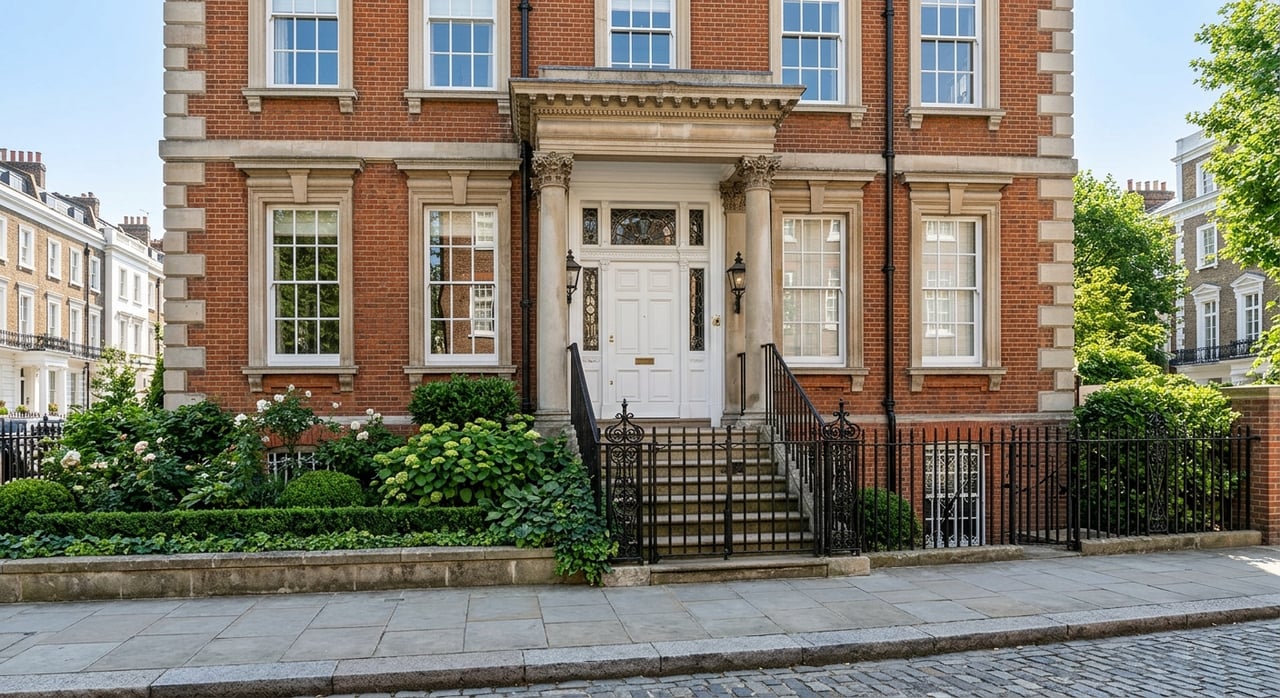
If you have ever wondered why two similar homes in Uptown and Carrollton can carry very different price tags, the answer is often smaller than you think. In this part of New Orleans, value is shaped not just by the neighborhood name, but by the exact block, corridor, and daily experience tied to that address. When you understand those micro-location differences, you can compare homes more clearly and make a more confident decision. Let’s dive in.
Why micro-location matters here
In May 2026, the broader Uptown and Carrollton market was a buyer’s market, with a median listing price of $439,900, median rent of $1,850, a median 54 days on market, and homes selling at about 95% of asking on average. That broad snapshot is useful, but it does not tell the whole story.
Sub-neighborhood pricing shows how much value can shift within the same general area. Realtor.com reported median listing prices of $799,000 in Audubon, $530,000 in East Carrollton, $495,000 in Freret, $377,500 in Central Carrollton, and $292,250 in Uptown Triangle and Black Pearl. That spread is the clearest sign that in Uptown and Carrollton, micro-location is a major pricing factor.
Uptown and Carrollton are collections of smaller markets
It helps to think of Uptown and Carrollton as a series of connected but distinct submarkets. Buyers are not responding only to square footage or bedroom count. They are also reacting to corridor type, architecture, traffic patterns, transit access, preservation controls, and carrying costs tied to a specific address.
That matters if you are comparing homes that seem similar on paper. A house on a quieter interior block may compete with a different buyer pool than a house near a major corridor, a university edge, or a high-activity commercial stretch.
Housing stock shapes buyer expectations
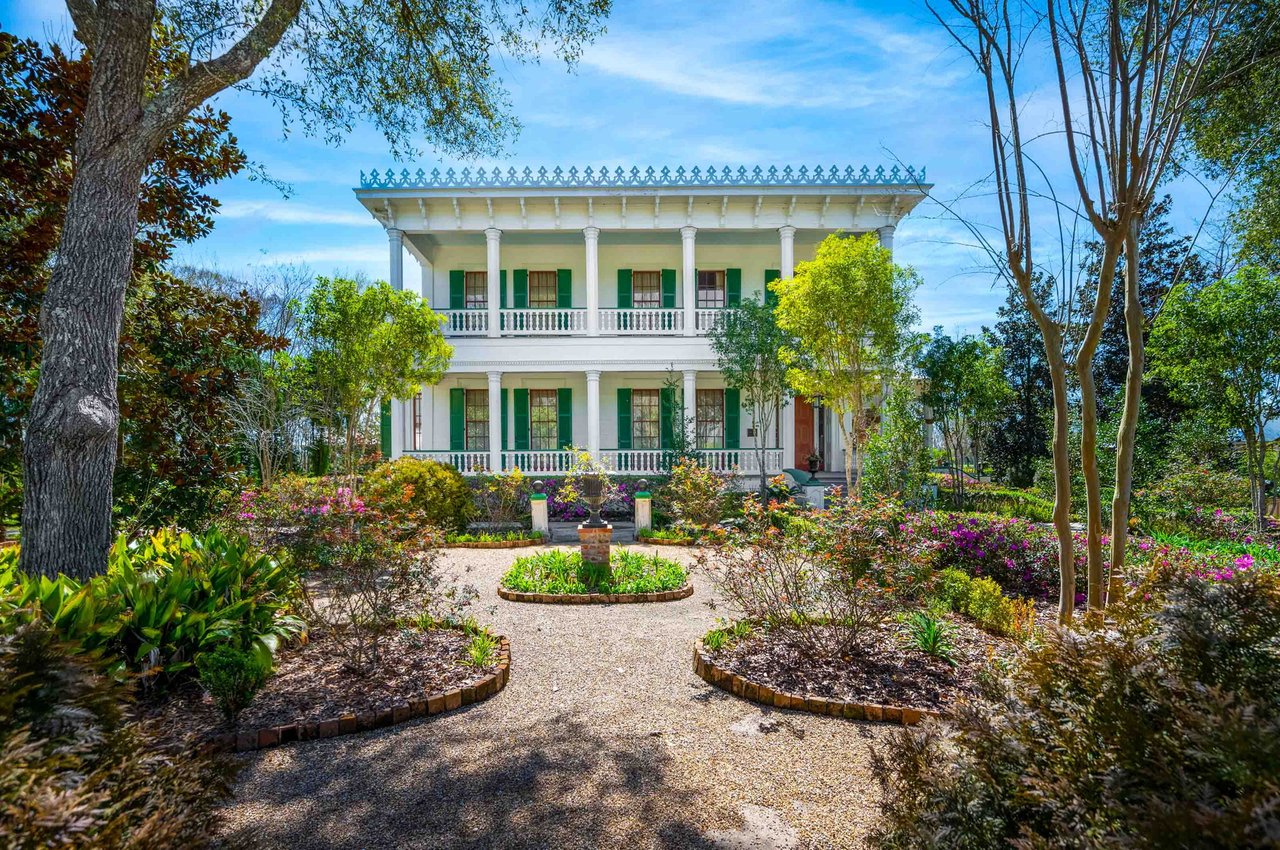
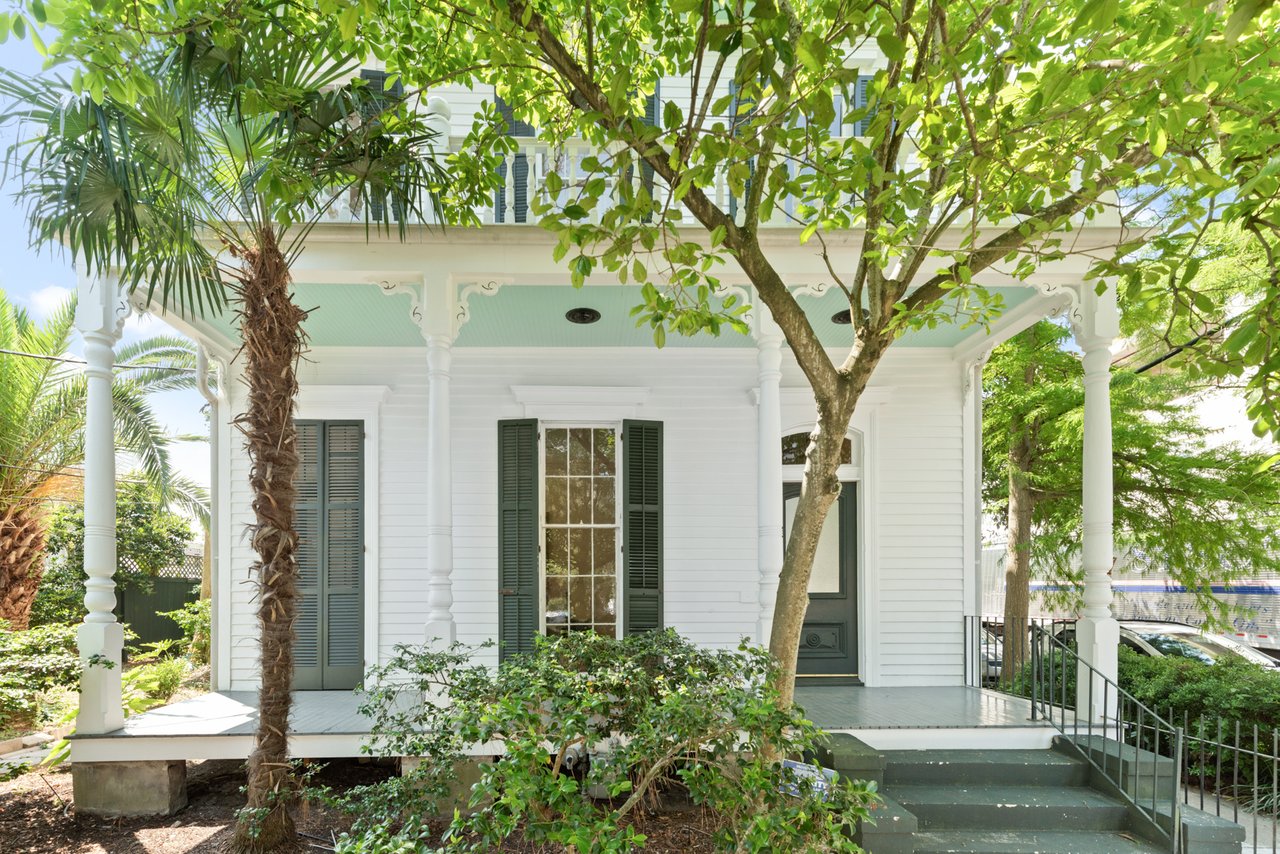
City planning documents describe Uptown as a 19th-century urban residential district with Victorian and early-20th-century architecture, along with narrow, deep lots that create a dense street pattern. Carrollton developed differently, as a former streetcar-linked suburb with shotguns, bungalows, eclectic early-20th-century buildings, and raised bungalows strongly associated with New Orleans.
Those differences matter because buyers do not value all housing types the same way. A larger Victorian or early-20th-century home may attract one kind of buyer, while a raised bungalow or shotgun in another section may appeal to a different budget and lifestyle. Even within a short distance, the built environment can shift the pricing conversation.
Corridors can change how a block feels
One of the most useful ways to understand value is to look at the corridor a home sits on or near. Under the current zoning code, Magazine Street and St. Charles Avenue are CPC character-preservation corridors. Design review in those areas is intended to protect the overall urban fabric, scale, and pedestrian-friendly character of the street.
South Carrollton, Claiborne, Oak, Tchoupitoulas, and the Freret segment between Napoleon and Louisiana are EC enhancement corridors. In those areas, the city is focused on coordinating infill in older parts of the city that may have more auto-oriented development patterns.
For you as a buyer or seller, this means one block may offer a more iconic streetscape, while another may feel more transitional or more intensely used. Two homes with similar finishes can still live very differently because the corridor context changes curb appeal, traffic, noise, and future expectations for nearby development.
University proximity affects daily experience
Tulane’s Uptown campus has been at its current St. Charles Avenue location since 1894 and spans 110 acres from Gibson Hall along St. Charles to South Claiborne, across from Audubon Park. Loyola University New Orleans sits at 6363 St. Charles Avenue on a 24-acre campus across from Audubon Park, and its current facts page lists 4,322 total students.
That institutional presence shapes nearby housing in practical ways. The City of New Orleans specifically studied parking in the Uptown University Area because institutional, commercial, and residential uses were exceeding available on-street parking in the area generally bounded by St. Charles, South Carrollton, Claiborne, and Broadway.
If you are comparing homes, that means proximity to campus can be a value driver or a tradeoff, depending on your priorities. Some buyers value access to major institutions and nearby amenities, while others place more weight on quieter parking and curbside conditions.
Transit access can support convenience or bring intensity
Transit is another block-level factor that can change value. The current RTA network includes the 12 St. Charles Streetcar, the 11 Magazine route, and the 57 Franklin-Freret route. RTA says the St. Charles streetcar runs every 15 minutes or better most of the day, every day.
That level of service can make some addresses more convenient for daily mobility. At the same time, homes closer to major transit lines may have a different street rhythm than interior residential blocks with less through traffic.
Neither condition is automatically better. What matters is buyer fit. In a market like this, value often comes from matching the right home to the right expectations about access, pace, and street activity.
Historic controls can influence flexibility and value
Both Uptown and Carrollton have well-preserved building stock, and that architectural continuity is part of what makes these areas so compelling. It can also affect what you can do with a property.
According to the city’s HDLC rules, exterior work in local historic districts requires a Certificate of Appropriateness. Uptown and Carrollton are among the districts subject to demolition review, and Carrollton Avenue is treated as full control.
These rules are designed to preserve neighborhood character, maintain scale, and support the economic base and property values. For a buyer, that can mean a stronger sense of visual continuity. For an owner planning changes, it also means renovation, additions, or exterior alterations may involve a more detailed approval path.
Research on historic preservation generally supports the idea that designation can help residential values, but the effect is not uniform. In other words, historic control can be an advantage, but it is not a simple premium in every situation. The real impact depends on the property, price point, and how restrictive the review process feels to a specific buyer.
Flood exposure can change the real monthly cost
In New Orleans, topography and flood risk are essential parts of value. The city notes that New Orleans is mostly flat, with elevations close to or below sea level, and that the highest areas border the natural levee of the Mississippi River. The city also states that the entire city is at risk of flooding.
NOLA Ready adds that homeowners’ and renters’ insurance usually do not cover flood damage, that flood maps were adopted in 2016, and that Orleans Parish participates in the National Flood Insurance Program. For you, that means two similar homes may carry different monthly costs based on elevation, flood zone, drainage, and insurance requirements tied to the address.
This is one of the clearest examples of micro-location shaping value. A lower asking price does not always mean lower ownership cost if insurance and flood exposure are materially different.
A practical way to compare homes
When you evaluate Uptown versus Carrollton, it helps to move beyond broad labels and compare addresses through a more detailed lens. A disciplined comparison can keep you from overpaying for a location that does not fit your priorities, or overlooking a block that offers stronger long-term value.
Use this framework as you compare homes:
- Corridor type: Is the home on a CPC corridor, an EC corridor, or a quieter interior residential street?
- University adjacency: Is it close to Tulane or Loyola, or inside the parking-pressure zone studied by the city?
- Historic control: Is the property in a local historic district where exterior work may require HDLC review?
- Housing stock: Is it a shotgun, bungalow, raised bungalow, or a larger Victorian or early-20th-century home?
- Transit and curb activity: Is it near the streetcar or major bus routes, or on a lower-traffic interior block?
- Flood and carrying cost: How do elevation, flood zone, drainage, and insurance quotes compare at the address level?
What this means for buyers and sellers
If you are buying, the lesson is simple: do not treat Uptown or Carrollton as single-price neighborhoods. The exact block can influence not just what you pay today, but how the home functions in daily life and how future buyers may view it.
If you are selling, the same principle matters in reverse. Your pricing strategy should reflect the strengths of your specific micro-location, whether that is architectural context, corridor character, transit access, preservation setting, or relative position within a stronger submarket.
For heritage and architecturally significant homes, that kind of nuance matters even more. Buyers in these areas often respond to story, setting, and block-level context as much as they do to finishes and floor plan. A thoughtful analysis can reveal value that a broad neighborhood label might miss.
Whether you are weighing a purchase near Audubon, comparing interior blocks in Carrollton, or preparing a historic home for market, a micro-location lens gives you a more accurate read on value. If you want guidance tailored to a specific address in Uptown or Carrollton, G. Douglas Adams can help you evaluate the details that matter most.
FAQs
How do home prices differ within Uptown and Carrollton?
- Median listing prices in May 2026 varied widely by sub-neighborhood, including $799,000 in Audubon, $530,000 in East Carrollton, $495,000 in Freret, $377,500 in Central Carrollton, and $292,250 in Uptown Triangle and Black Pearl.
How do historic district rules affect Uptown and Carrollton homes?
- In local historic districts, exterior work requires a Certificate of Appropriateness, and certain demolition or major exterior changes are subject to HDLC review.
How does Tulane or Loyola proximity affect housing value in Uptown?
- Homes near the Uptown University Area may experience different parking and curbside conditions because the city identified demand from institutional, commercial, and residential uses as exceeding available on-street parking in that area.
How does transit access affect daily life in Carrollton and Uptown?
- Homes near the St. Charles streetcar or major bus routes may offer stronger mobility access, but they can also have a different traffic and street activity pattern than quieter interior blocks.
How does flood risk affect home costs in New Orleans?
- Flood exposure can affect carrying costs because the city says the entire city is at risk of flooding, and flood insurance requirements and pricing can vary by address-level conditions such as flood zone and elevation.