If you are drawn to the Lower Garden District, you are probably not looking for a cookie-cutter condo. You want character, location, and a home that feels connected to New Orleans’ architectural story. The challenge is that in this neighborhood, charm and complexity often come together, so knowing what to compare can save you time, money, and stress. Here is how to choose a condo in the Lower Garden District with more clarity and confidence. Let’s dive in.
Why Lower Garden District Condos Feel Different
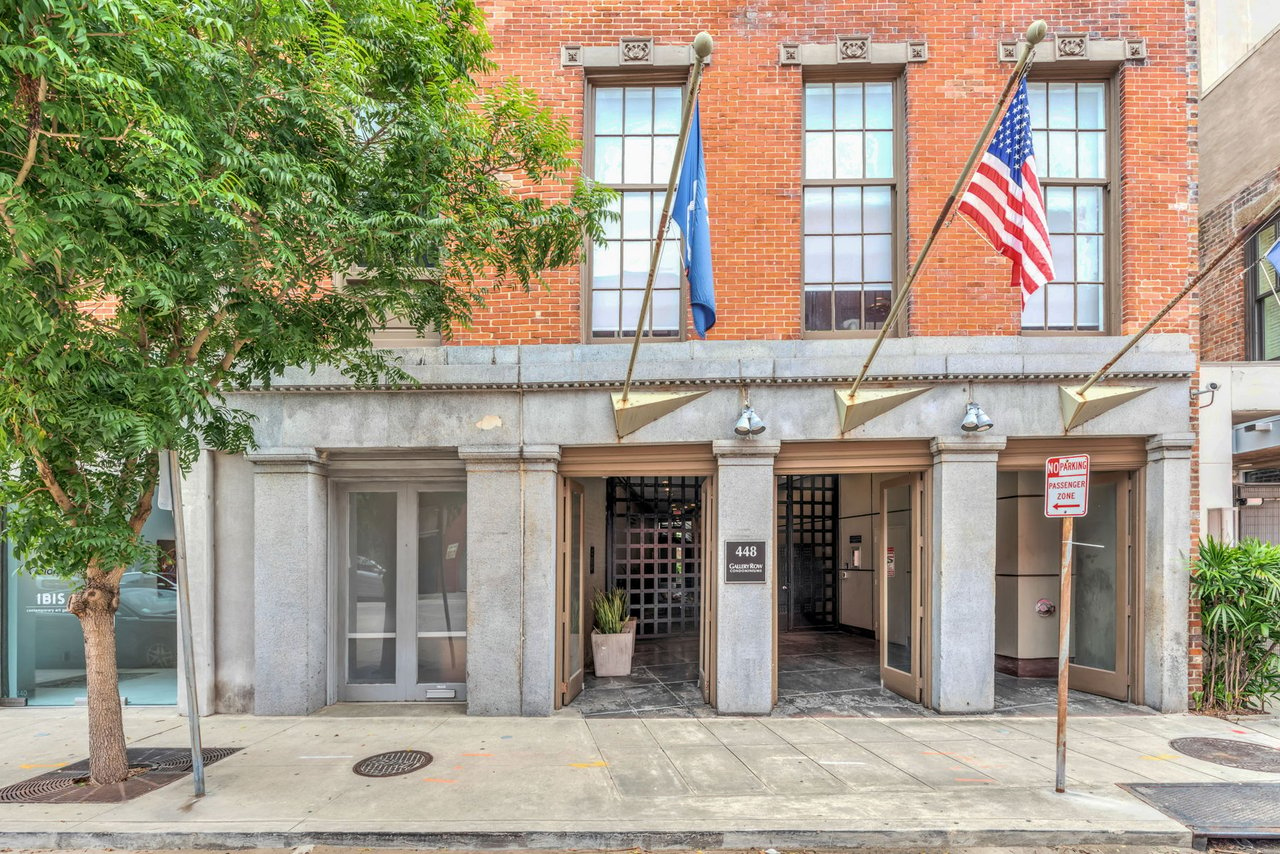
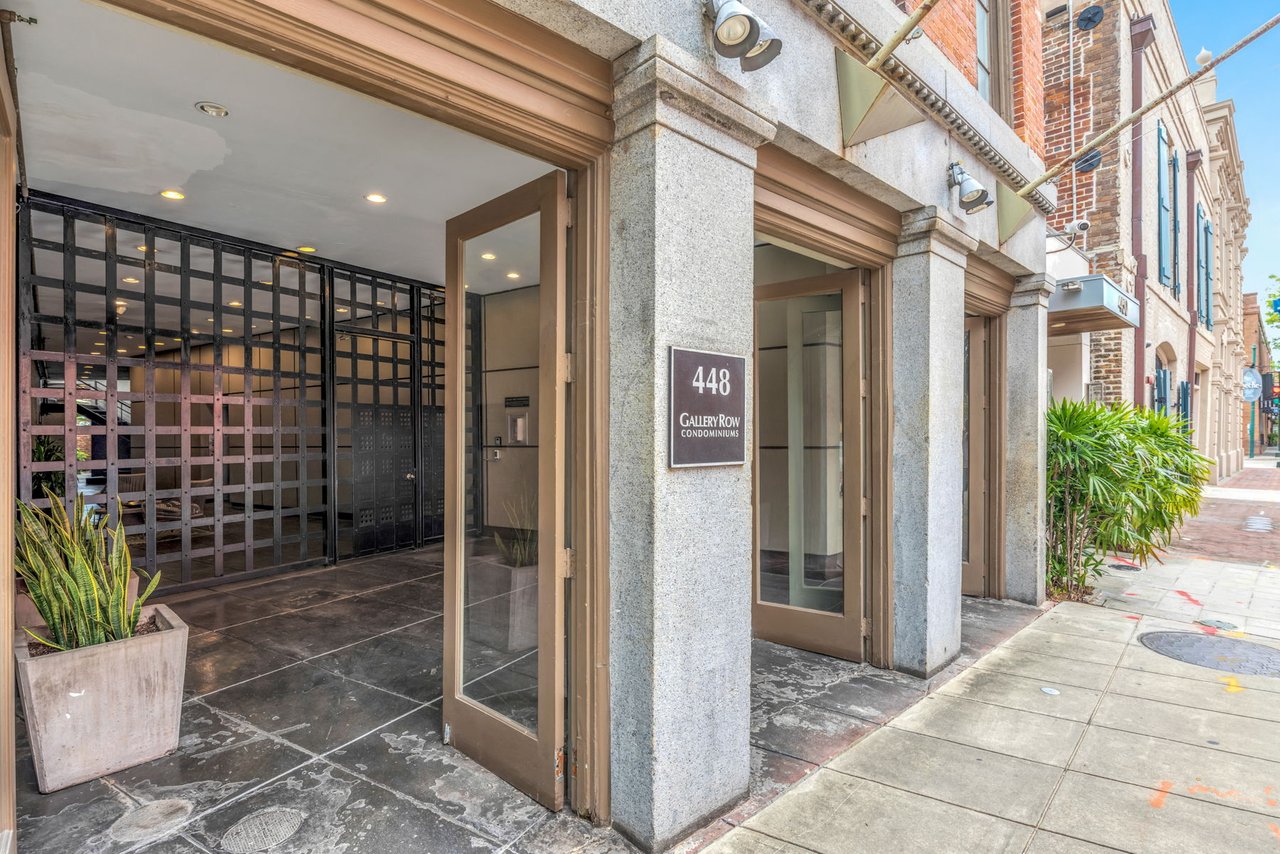
The Lower Garden District is a locally designated historic district under the City of New Orleans Historic District Landmarks Commission, or HDLC. The city describes the area as a neighborhood laid out in 1809 with a mix of primarily 19th-century buildings, including single and double shotguns, double gallery houses, and commercial structures.
That context matters when you start touring condos. In many cases, you are not comparing units in one large, uniform development. You are comparing homes shaped by older building stock, which means layouts, stair placement, room proportions, and exterior character can vary significantly from one property to the next.
The district also includes the 1800 to 2000 blocks of Magazine Street, where masonry commercial buildings with deep galleries house small shops, bars, and restaurants. That blend of residential and commercial architecture gives the neighborhood its texture, but it also means condo inventory can feel highly varied from block to block.
Know the Historic District Rules
Historic district status is important, but it is often misunderstood. In the Lower Garden District, HDLC jurisdiction applies to exterior changes and demolition, and exterior work in a local historic district generally requires a Certificate of Appropriateness.
That does not mean historic district status changes zoning or allowed use by itself. If you are considering a condo because you may want to renovate later, it helps to know that HDLC generally reviews exterior changes, not interior work or routine maintenance.
This distinction can shape your decision in a real way. If you love a unit but hope to alter windows, balconies, exterior doors, or another visible feature in the future, that should be part of your due diligence before you buy.
Compare Building Types Carefully
In the Lower Garden District, condo choices often look different from what you might find in a more recently built neighborhood. Instead of mostly high-rise towers, you may be weighing historic conversions, townhouse-style units, and boutique-scale low-rise buildings.
That smaller-scale pattern fits the neighborhood’s built form. It also means amenities, storage, circulation, and parking may not be standardized across listings, even when price points seem similar.
A beautiful renovation can catch your eye first, but the smarter comparison usually goes deeper. In this market, building type often affects how you live day to day, from stair access to outdoor space to how shared systems are maintained.
Look Beyond Finishes and Staging
A polished kitchen or elegant bath can be compelling, especially in a historic condo with strong architectural character. Still, finishes should not be the main factor driving your decision.
In an older and more varied housing stock, the better long-term questions are often about building structure, common responsibilities, and legal definitions inside the condo documents. Two units may look equally attractive online while offering very different ownership terms once you read the declaration and bylaws.
This is where a thoughtful review process matters. In a neighborhood known for provenance and architectural detail, the smartest buyer balances visual appeal with practical ownership clarity.
Verify What Actually Comes With the Unit
One of the most important steps is confirming what belongs to you, what is shared, and what may be reserved for your use without being fully deeded as part of the unit. Under Louisiana condominium law, the declaration must identify each unit’s precise boundaries, any limited common elements, each owner’s share in common elements, how common expenses are shared, and voting rights.
That means features such as parking, storage, balconies, and courtyards should be verified in the declaration, not assumed from listing photos or marketing materials. If a feature matters to your lifestyle, confirm whether it is deeded, assigned, or treated as a limited common element.
This is especially important in the Lower Garden District, where older buildings and historic conversions can create unusual ownership patterns. What looks private may actually be shared, and what seems included may be subject to specific rules.
Parking Can Be a Deciding Factor
Parking is often one of the biggest practical differences between Lower Garden District condos. The city’s historic district guide describes an irregular urban plan in much of the area, with residences often set back behind ornamental fences and commercial buildings typically built to the lot lines.
In simple terms, off-street parking is not something you should assume. If parking matters to you, treat it as a key comparison point early in your search.
You should also verify how the parking is documented. Louisiana law defines limited common elements as common elements reserved in the declaration for the exclusive use of one or more units, so a parking space may be exclusive to you without being owned in the same way as the condo interior.
Understand HOA Governance
Every condo purchase includes more than the unit itself. You are also buying into a system of shared governance, and in Louisiana, the condominium’s administration and operation are governed by the bylaws.
Associations may adopt and amend budgets and reserves, collect assessments for common expenses, hire and terminate managers, regulate common elements, and levy reasonable fines after notice and an opportunity to be heard. The declaration and bylaws have the force of law between unit owners, which is why these documents deserve close attention.
For you, that means rules are not just background paperwork. They shape monthly costs, day-to-day use, and how smoothly the property is maintained over time.
Review Finances Before You Fall in Love
A great Lower Garden District condo should feel compelling, but it should also make sense on paper. Common expenses generally include administration, maintenance, repair, and replacement of common elements.
As a general rule, the association is responsible for maintenance, repair, and replacement of common elements, while each unit owner is responsible for his or her unit unless the declaration says otherwise. That is why the budget, reserve funding, and any planned capital work matter so much.
A practical way to compare buildings is to look at:
- Current budget
- Reserve funding
- Approved or planned capital expenditures
- Maintenance procedures
- Collection procedures for assessments
These issues can be especially important in a historic district, where exterior features and common systems may be more complex to maintain.
Pay Close Attention to Insurance
Insurance should be a central part of your condo review, not an afterthought. Louisiana law requires property insurance and liability insurance for the condominium at the levels described by statute, and associations collecting common-expense assessments must also maintain a fidelity bond or equivalent coverage.
For a buyer, this makes insurance coverage part of the building’s financial health story. Strong documents and a visually appealing unit are important, but they should be matched by clear association coverage and responsible planning.
When you compare properties, ask how thoroughly the building’s insurance and reserve approach supports long-term ownership. In many cases, that answer says as much about stability as the finishes inside the unit.
Know What Sellers Must Disclose
Buyer disclosures are another area where Louisiana law gives you important tools. For new-condo purchases, the public offering statement must include key materials such as the declaration, bylaws, management contract details, projected operating budget, reserve information, insurance coverage, warranties, and other required disclosures.
In the circumstances described by statute, buyers of new condos also have a 15-day cancellation window after receiving that statement. For resale purchases, the seller must provide the governing documents plus a certificate showing current assessments, approved capital expenditures, reserves, financial statements, the budget, lawsuits, insurance coverage, and any ground-lease term.
That information can help you compare one building against another in a more meaningful way. It can also help you spot whether a seemingly attractive condo comes with hidden future costs or unresolved building issues.
Think About Your Long-Term Plans
The right condo is not only the one that fits your life today. It is also the one that works for your likely next chapter, whether that means renovating, keeping ownership for years, or changing how you use the property within the limits of the governing documents.
If you plan to lease the unit or use it differently in the future, check the declaration for use restrictions and any limits on leasing or occupancy. Historic district status itself does not control zoning or use, so the condo documents become a critical part of understanding what flexibility you may or may not have.
For many buyers, the strongest long-term comparison points are clear parking documentation, reserve strength, insurance coverage, and well-defined maintenance responsibilities. Those details may not be glamorous, but they often matter just as much as the finishes in a historic condo.
A Smart Condo Checklist
Before you commit to a Lower Garden District condo, focus on the documents and building facts that shape ownership most directly.
- Read the declaration and bylaws first
- Review the current budget and reserve position
- Check for approved or planned capital expenditures
- Confirm insurance and fidelity-bond coverage
- Verify whether parking and storage are deeded, assigned, or limited common elements
- Ask whether planned exterior work would trigger HDLC review
In a neighborhood where architecture and story are part of the appeal, this kind of due diligence helps you protect both your lifestyle and your investment.
Choosing a condo in the Lower Garden District is about more than finding a beautiful unit. It is about understanding how historic context, legal structure, and building governance come together in one of New Orleans’ most distinctive urban settings. If you want guidance that respects the architecture while staying sharply focused on the details that matter in a purchase, G. Douglas Adams can help you evaluate the options with clarity and care.
FAQs
What makes Lower Garden District condos different from other New Orleans condos?
- Lower Garden District condos are often shaped by historic buildings and smaller-scale development patterns, so layouts, exterior character, amenities, and ownership details can vary more from building to building.
What does HDLC review for a Lower Garden District condo?
- HDLC generally reviews exterior changes and demolition in the local historic district, and exterior work typically requires a Certificate of Appropriateness.
Why should you read condo declarations in Louisiana before buying?
- The declaration identifies unit boundaries, limited common elements, shares in common elements, expense allocations, and other ownership terms that affect what you are actually buying.
How should you verify parking at a Lower Garden District condo?
- You should confirm whether the parking space is deeded, assigned, or classified as a limited common element in the condo declaration.
What financial documents should you review before buying a condo in the Lower Garden District?
- You should review the budget, reserve information, current assessments, approved capital expenditures, financial statements, insurance coverage, and any relevant resale certificate or disclosure package.
Can condo rules affect future leasing in the Lower Garden District?
- Yes, leasing or occupancy restrictions may appear in the declaration or bylaws, so you should review those documents carefully if future flexibility matters to you.