You can love New Orleans and still wonder whether Marigny fits the way you actually want to live. If you are drawn to historic architecture, walkable streets, music, and the kind of neighborhood character that cannot be replicated, Marigny deserves a close look. At the same time, it is not a one-size-fits-all choice, and the details matter block by block. Let’s dive in.
What Marigny Feels Like
Faubourg Marigny is one of New Orleans’ earliest suburbs, developed from Bernard de Marigny’s former plantation just downriver from the French Quarter. Today, the historic district sits within Esplanade Avenue, St. Claude Avenue, Press Street, and the Mississippi River.
For you as a buyer, that history shows up in more than architecture. Marigny feels like a preserved urban district shaped by culture, adaptive reuse, and a dense street grid, rather than a conventional residential neighborhood built around larger lots and quiet separation from commercial life.
Why Buyers Are Drawn to Marigny
Marigny tends to appeal to buyers who want to live close to the city’s cultural energy while still having a true neighborhood setting. You are near the French Quarter, but not inside its most tightly regulated environment.
The neighborhood is known for easy access to music, dining, and public space. Frenchmen Street is the best-known corridor, with clubs, cafés, restaurants, and small businesses in the blocks nearest the Quarter, while Washington Square Park serves as a central community anchor.
Crescent Park adds another dimension to daily life in Marigny. The 1.4-mile riverfront park runs through Marigny and Bywater, giving you access to open space along the Mississippi River in a setting that still feels distinctly urban.
Marigny Homes and Architecture
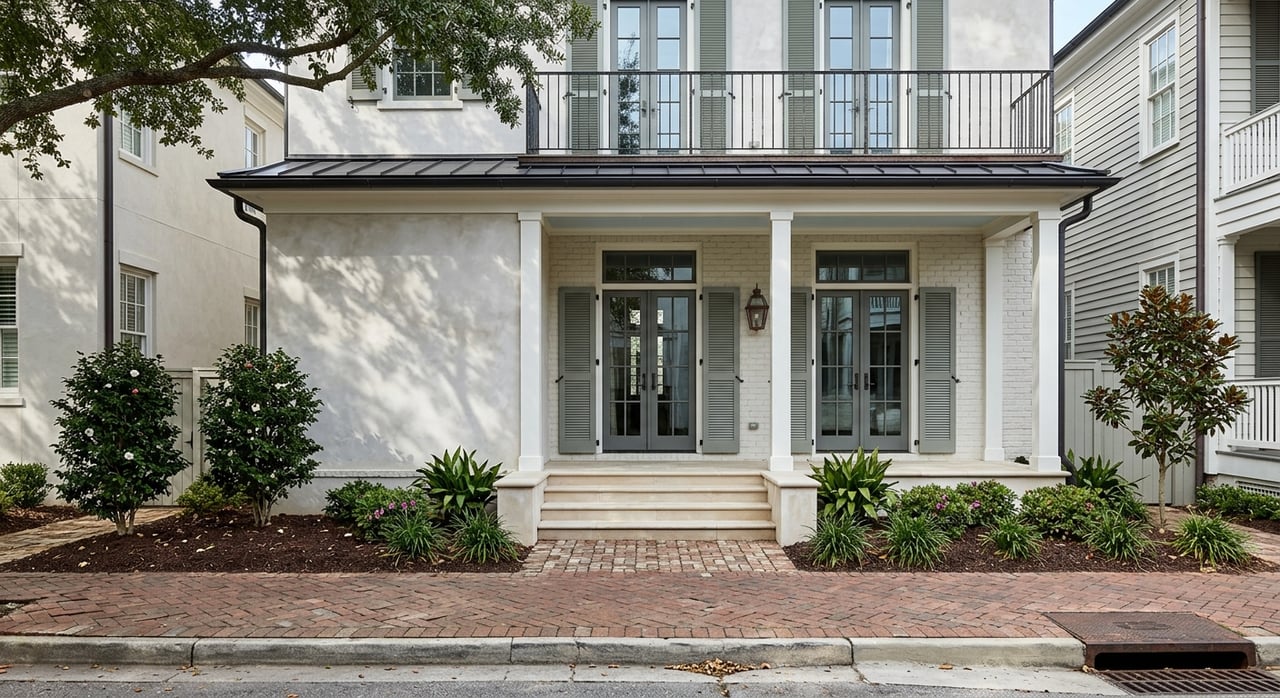
If architectural character matters to you, Marigny stands out. The neighborhood includes some of New Orleans’ most recognizable historic housing forms, including Creole cottages and ornamented shotgun houses.
You will also find Queen Anne and Eastlake-style Victorian two-story homes, along with Classical Revival houses. That variety gives the neighborhood visual richness and can make your home search feel less predictable than in areas dominated by one housing type.
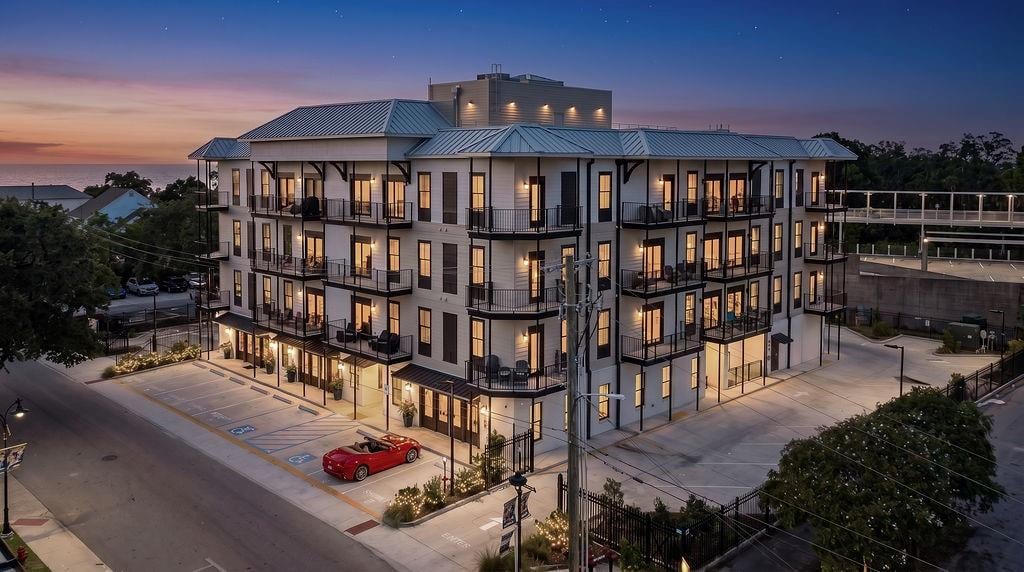
Marigny also has a stronger mixed-use identity than a purely residential district. Corner stores, two-story mixed-use buildings, and an industrial river edge all contribute to the neighborhood’s layered streetscape.
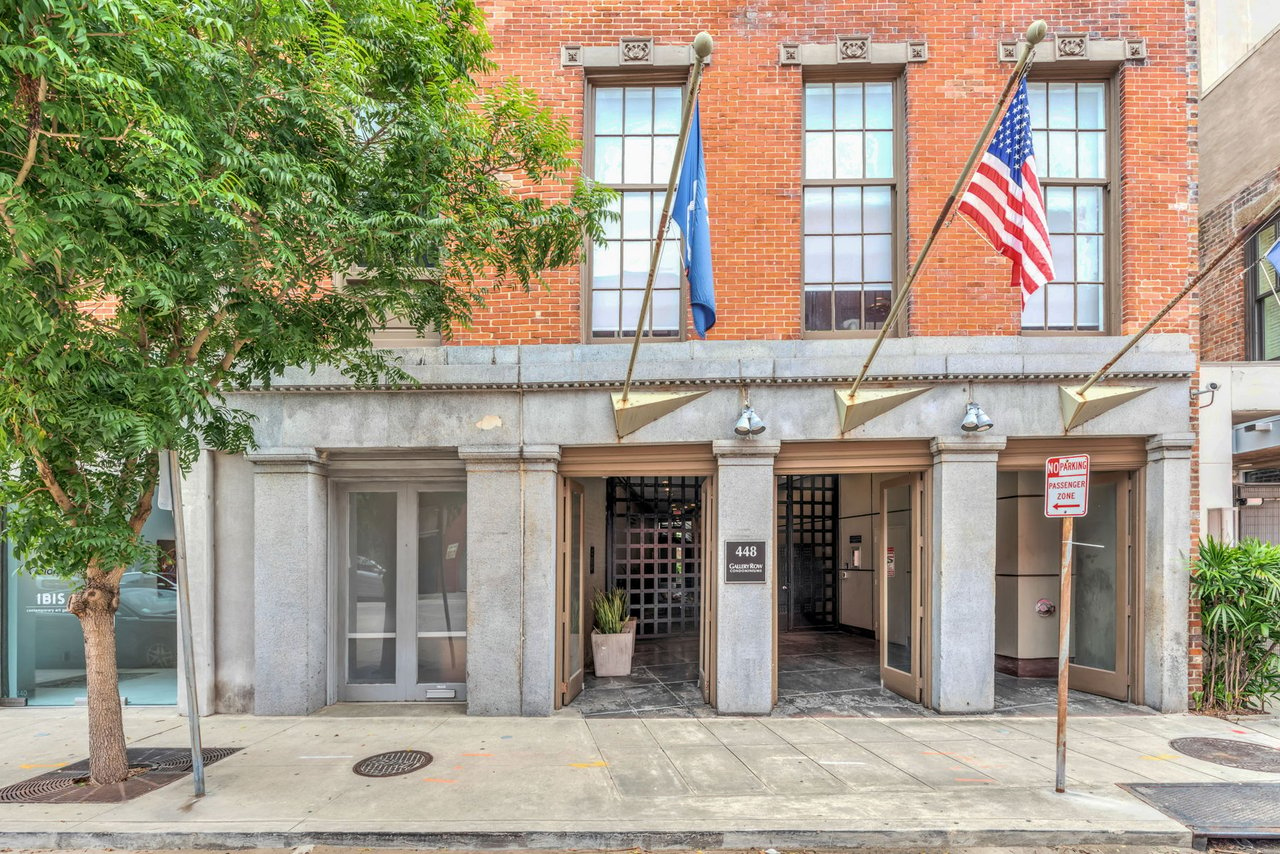
In some cases, historic buildings have been adapted for new uses. Former banks, bakeries, and corner stores have been converted into homes and guesthouses, while riverfront warehouses now house artists’ studios and performance spaces.
What Outdoor Space Usually Looks Like
One of the biggest practical questions for buyers is outdoor space. In Marigny, you should not expect large lawns, broad side yards, or a garage-centered layout.
Many Creole cottages were built without front yards, and many buildings sit directly on the street. Some shotgun homes have small fenced front yards, while rear yards are often enclosed or walled.
In day-to-day terms, that means your outdoor space may feel compact and private rather than expansive. If you love front galleries, narrow setbacks, and intimate courtyards, that can be a major plus. If you need a large yard, Marigny may feel limiting.
How Active the Neighborhood Is
Not every part of Marigny lives the same way. The areas closest to Frenchmen Street and the French Quarter are generally the most energetic, with more music, dining, and visitor activity.
Interior residential streets and parts of the riverfront edge often feel calmer and more residential or adaptive-reuse oriented. That block-by-block variation is important, especially if you want historic character but a slightly quieter day-to-day setting.
This is one reason a neighborhood tour matters. In Marigny, two homes that are only a few blocks apart can offer very different living experiences.
Historic Rules Buyers Should Understand
Because Marigny is a local historic district, exterior work is not handled the same way it would be in a non-historic neighborhood. The city’s Historic District Landmarks Commission reviews exterior maintenance that is visible from the public right-of-way.
Owners must obtain a Certificate of Appropriateness before starting covered work. That matters if you are planning updates to windows, siding, trim, roofs, porches, or other visible exterior features.
For many buyers, these rules help preserve the neighborhood’s character over time. Still, it is smart to understand them early so you can match your renovation goals with the review process.
Marigny vs. the French Quarter
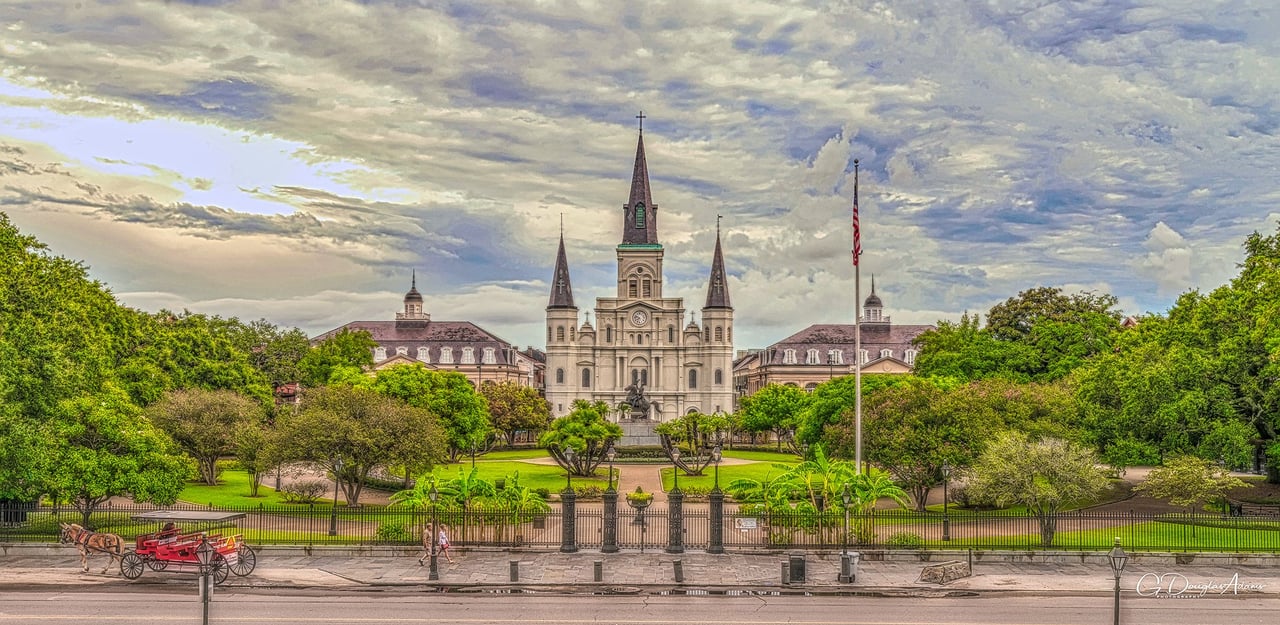
If you are deciding between Marigny and the French Quarter, the difference is not just location. The French Quarter is the city’s original footprint and remains intensely walkable, with some of New Orleans’ oldest and most significant buildings.
It is also governed by the Vieux Carré Commission, which applies the strictest exterior rules in the city and covers all exterior parts of a property, including courtyards. Marigny shares historic fabric and immediate proximity, but it generally feels more open, more mixed-use, and more closely tied to the energy of Frenchmen Street.
For some buyers, that makes Marigny the better balance. You can stay close to the Quarter while living in an area that feels less enclosed and somewhat less restrictive on the regulatory side.
Marigny vs. Bywater
Marigny and Bywater are often compared because they sit next to each other and share historic character. Bywater is farther downriver and is described as mostly residential, with artist housing, galleries, eclectic eateries, and historic buildings that range from grand to modest.
Compared with Bywater, Marigny is more directly linked to Frenchmen Street, Washington Square Park, and the edge of the French Quarter. It also has more mixed-use corner buildings and a stronger visitor-facing music and dining presence.
If you want to be closer to major cultural anchors and a more active commercial scene, Marigny may be the better fit. If you prefer a neighborhood that reads as more residential overall, Bywater may deserve a second look.
Who Marigny Suits Best
Marigny is often a strong fit if you want:
- Historic architecture with visible craftsmanship and age
- A compact urban lifestyle
- Close access to music, dining, and riverfront public space
- A neighborhood with cultural identity and layered history
- Proximity to the French Quarter without being inside it
It can be especially appealing if you value the story of a home as much as square footage. For buyers who appreciate heritage property, Marigny offers a sense of place that is hard to duplicate elsewhere in New Orleans.
When Marigny May Not Be Right
Marigny may be a weaker fit if your priorities lean more suburban in form and function. That is especially true if you need a larger yard, rely on garage-oriented living, or want a lower-activity environment.
The neighborhood’s built form favors street-facing houses, compact private outdoor areas, and a lively commercial edge in certain sections. If you want quiet separation from restaurants, nightlife, and mixed-use activity, your search may need to focus carefully on specific blocks or shift to another neighborhood.
Smart Questions to Ask Before You Buy in Marigny
Before you decide, it helps to evaluate the neighborhood through the lens of your daily routine, not just its charm. Consider questions like these:
- How important is walkability to your lifestyle?
- Do you want to be near Frenchmen Street, or a few blocks removed from it?
- Are you comfortable with compact outdoor space?
- Would historic exterior review affect your renovation plans?
- Do you want a purely residential setting, or do you enjoy mixed-use urban character?
The clearer your answers, the easier it becomes to tell whether Marigny is a smart lifestyle match rather than simply an attractive idea.
Final Takeaway on Marigny
Marigny is one of New Orleans’ most distinctive neighborhoods because it blends heritage architecture, cultural energy, and an unmistakably urban rhythm. For the right buyer, that combination is exactly the point.
If you want preserved character, close access to music and dining, and a neighborhood where architecture and street life still shape everyday experience, Marigny can be an excellent place to call home. If your priorities are larger private space, lower activity, or a more conventional residential pattern, it may be better to compare it carefully with nearby options before you move forward.
If you are weighing Marigny against the French Quarter, Bywater, or another historic New Orleans neighborhood, G. Douglas Adams can help you evaluate the fit with clarity, context, and a deep understanding of heritage property.
FAQs
What kind of homes are common in Marigny, New Orleans?
- Marigny is known for Creole cottages, ornamented shotgun houses, Victorian two-story homes in Queen Anne and Eastlake styles, and some Classical Revival houses, along with mixed-use corner buildings and adaptive-reuse properties.
Is Marigny a good fit for buyers who want outdoor space?
- Marigny usually offers compact outdoor areas rather than large yards, with many homes built close to the street and rear yards often enclosed or walled.
How does Marigny compare with the French Quarter for homebuyers?
- Marigny is immediately downriver from the French Quarter and offers similar historic character, but it generally feels more mixed-use, more open, and less tightly regulated than the Quarter.
How does Marigny compare with Bywater for buyers?
- Marigny is more directly tied to Frenchmen Street, Washington Square Park, and the French Quarter edge, while Bywater is generally more residential in feel.
Do buyers in Marigny need to follow historic district rules?
- Yes. Because Marigny is a local historic district, exterior work visible from the public right-of-way is subject to HDLC review, and covered work requires a Certificate of Appropriateness.
Who is Marigny usually best for in New Orleans?
- Marigny tends to suit buyers who want historic architecture, a compact urban lifestyle, and close access to music, dining, and riverfront public space.