THE DOUGLAS ADAMS EDITORIAL SERIES
Market Insight • Property Strategy • Gulf South Real Estate
Quick Answer
If you are choosing a New Orleans neighborhood, start with your budget and the way you actually live before you commit to a particular architectural style or neighborhood image. Buyers should compare areas based on price range, housing type, parking, commute or transportation habits, outdoor-space needs, maintenance tolerance, insurance considerations, and privacy.
In the New Orleans Metro, the right choice is usually not the most recognizable neighborhood. It is the property and location that best support real life on a daily basis.
How should buyers choose the New Orleans neighborhood that best fits their budget, preferred architecture, transportation needs, privacy, and everyday lifestyle?
My answer is straightforward: begin with your non-negotiables, then narrow the search to neighborhoods and property types that fit them.
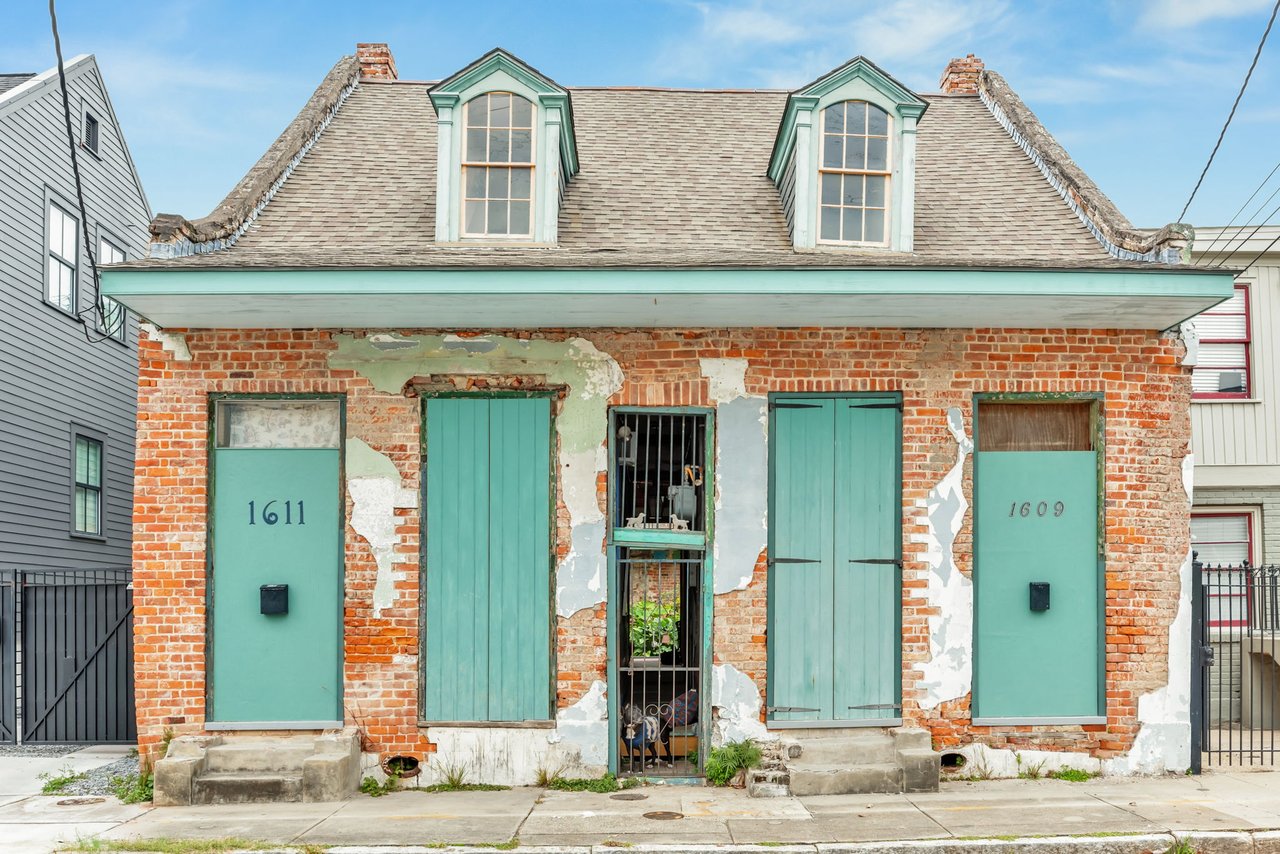
That matters because many buyers come to New Orleans with a strong picture in mind. They may imagine a shotgun house, double shotgun, camelback, Creole cottage, or Greek Revival residence in one of the city’s best-known areas. Sometimes that vision works beautifully. Sometimes the architecture is right, but the parking, upkeep, outdoor space, or insurance profile are not.
When I help buyers with choosing a New Orleans neighborhood, I try to separate the romance of the city from the practical reality of ownership. The image that drew you here is useful. It just should not be the only thing guiding the decision.
Start With the Home Style You Love, Then Test It Against Reality
Architecture is a legitimate starting point in New Orleans. For many buyers, it is the reason this market feels different from anywhere else.
Some are drawn to shotgun houses or double shotguns because of their historic character and classic local footprint. Others prefer camelbacks for the combination of traditional street presence and added upper-level space. Creole cottages appeal to buyers who want a distinctly local architectural form. Greek Revival residences often attract buyers looking for scale and formality.
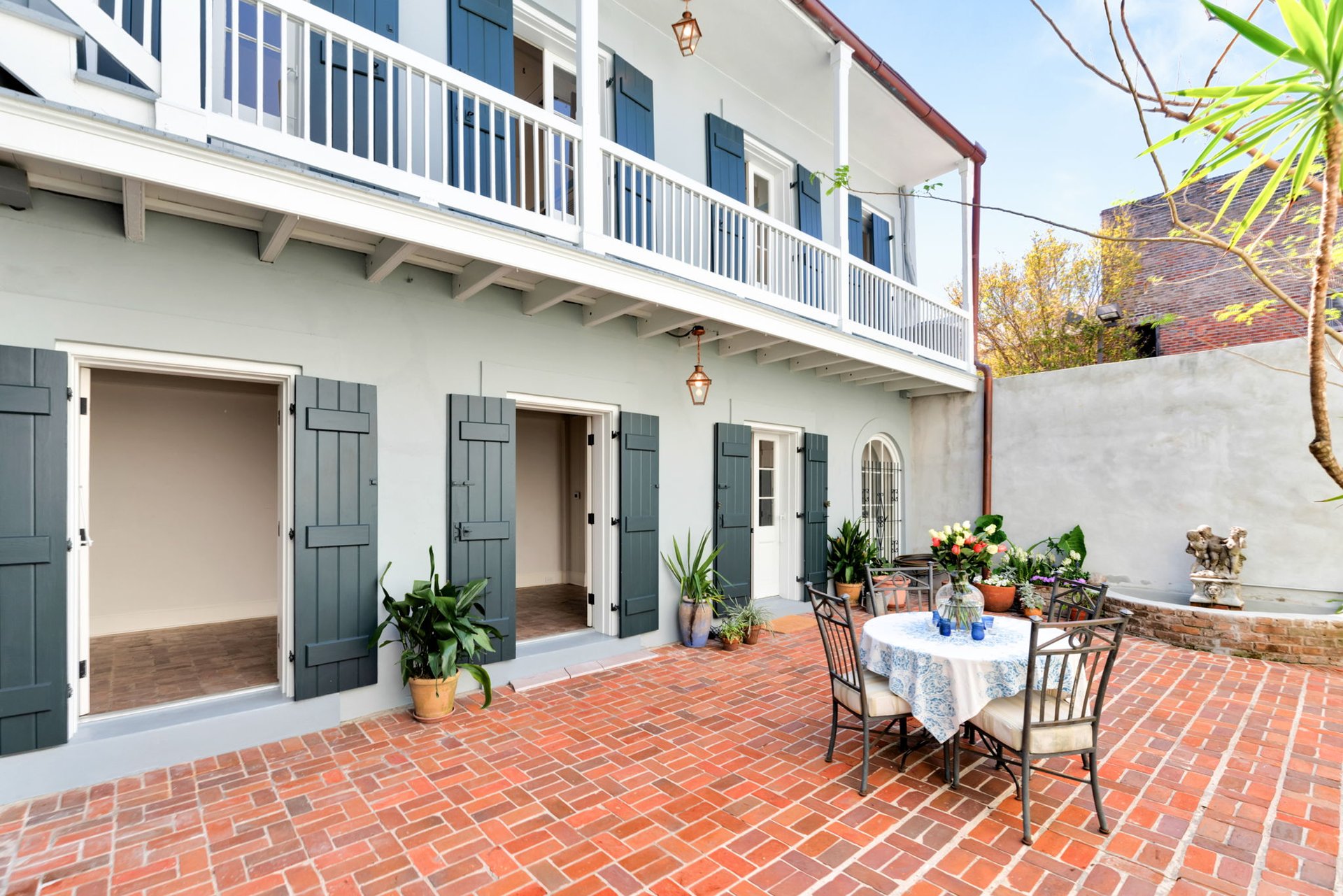
Those preferences help shape the search, but they are only the beginning. An older historic home may come with a different maintenance rhythm than a newer property. Depending on the block and lot configuration, parking may be limited or nonexistent. Outdoor space may be smaller than expected. Insurance costs and flood exposure can vary by property. Renovation plans may also be affected by zoning, permit history, or historic-district requirements.
So yes, start with the house you picture yourself in. Then ask whether the location, lot, parking setup, and upkeep make sense for the way you want to live.
What Buyers Should Compare First
The buyers who make the clearest decisions usually define their priorities early. In my experience, these are the factors that narrow the field fastest:
- Budget
- Preferred housing type
- Commute or transportation habits
- Parking requirements
- Need for outdoor space
- Tolerance for maintenance and older-home upkeep
- Insurance considerations
- Privacy needs
A buyer may say, “I want historic New Orleans character and I want to walk to restaurants.” That is a solid starting point. But if that same buyer also needs dedicated parking, wants more privacy, expects substantial outdoor space, and prefers lower exterior maintenance, the search may need to move beyond the first neighborhood that came to mind.
That is the practical side of where to buy a home in New Orleans. The best answer is not always the most famous neighborhood. It is the one where the property and surroundings work once you are simply living there every day.

How Well-Known Areas Compare in Practical Terms
I do not think there is one best neighborhood for every buyer, but there are patterns worth understanding.
The French Quarter offers historic architecture, exceptional walkability, restaurants, and easy access to the Marigny, Tremé, and Bywater. For some buyers, that combination is exactly the appeal. But many French Quarter homes have limited or no dedicated parking. If you rely on a car regularly, that can become a major quality-of-life issue. Buyers looking at French Quarter homes with parking should expect a narrower pool of options and should make that requirement clear from the start.
The Marigny, Bywater, and Tremé can share some overlapping architectural character and older housing stock, but they do not feel identical in day-to-day use. In my professional observation, density, lot patterns, parking experience, and proximity to commercial activity can vary meaningfully among them and from block to block. A buyer who likes one of these neighborhoods in theory still needs to compare specific locations carefully.
Elsewhere in Orleans Parish, buyers may find some of the historic homes in New Orleans they are hoping for while gaining a different mix of outdoor space, accessibility, lot size, and residential feel. That can matter for buyers who want architectural character but also need more workable day-to-day driving, entertaining, or time outside.
Jefferson Parish often enters the conversation once a buyer defines priorities beyond style alone. Crossing into Jefferson Parish can mean different housing ages, architectural styles, lot configurations, and a different residential setting. For some buyers, that shift moves too far from the image that first drew them to New Orleans. For others, it solves practical issues that are harder to solve within their original target area.
The Key Tradeoffs Buyers Should Not Overlook
A lot of neighborhood decisions change once buyers pay attention to the practical details.
Parking is one of the biggest examples. In designated residential parking zones, a City-issued residential parking permit does not guarantee or reserve a curbside space. If dependable vehicle access matters to you, off-street parking or an easier parking setup should be part of your search from the beginning.
Property age and condition also matter. Two homes with similar architectural appeal can come with very different ownership demands based on upkeep, systems, prior work, and overall condition.
Insurance and flood exposure should be evaluated property by property, not assumed from the neighborhood name alone. The same is true for zoning, permit history, and any historic-district requirements that may affect changes to the property.
This is why I tell buyers not to choose a neighborhood first and force everything else to fit. It is usually more effective to identify the kind of ownership experience you want, then find the area and property that match it.

A Practical Framework for Choosing a New Orleans Neighborhood
If you are deciding where to buy in the New Orleans Metro, this is the framework I recommend.
- Set the budget before you fall in love with a setting. Think beyond purchase price and account for the kind of property you want to own.
- Identify the architectural styles that matter most to you. If you love shotgun houses, camelbacks, Creole cottages, or Greek Revival residences, that is helpful. Just connect that preference to what ownership of that style may involve.
- Define the features that are truly non-negotiable. Parking, privacy, outdoor space, transportation habits, and comfort with upkeep usually matter more than buyers expect.
- Compare areas honestly. If you are focused on the French Quarter, think hard about parking. If you are considering the Marigny, Bywater, or Tremé, compare specific blocks and locations rather than assuming they all function the same way. If your search extends into Jefferson Parish, evaluate whether the lot sizes, housing stock, and residential settings fit your routine better.
- Verify each property individually. In New Orleans, homes that seem similar at first glance can differ significantly once you review flood mapping, zoning, historic status, condition, and permits.
Official Tools Buyers Should Use
Buyers should verify important property details directly using official resources.
For address-specific zoning and historic-district information, use the City of New Orleans Property Viewer.
For official federal flood-hazard mapping, use FEMA’s Flood Map Service Center.
These tools can help confirm details that may affect ownership, renovation plans, and carrying costs. Buyers should also verify insurance implications, condition, permit history where relevant, and any applicable historic-district requirements for the specific property.
What I Tell Buyers in Plain Terms
I do not think choosing a New Orleans neighborhood starts with asking which area is best.
I think it starts with better questions:
- What can you comfortably afford?
- How much upkeep do you really want?
- Do you need parking every day?
- How important is outdoor space?
- How much privacy do you want?
- Are you choosing a neighborhood because it fits your life, or because it fits the version of New Orleans you have carried in your head?
Those questions usually lead to a better answer than a neighborhood list ever will.
Choosing the Setting That Supports Your Life
Choosing a New Orleans neighborhood is not just about finding a beautiful street or the architectural style you have always admired. It is about finding the place where your budget, transportation needs, parking expectations, privacy, maintenance tolerance, insurance considerations, and day-to-day habits make sense together.
You may begin with the French Quarter, the Marigny, the Bywater, Tremé, another part of Orleans Parish, or a move into Jefferson Parish. Any of those paths can be right for the right buyer. The goal is not to rank neighborhoods. The goal is to identify which setting and which specific property actually support the way you want to live.
Deciding where to buy in the New Orleans area? Contact Douglas Adams for a confidential neighborhood consultation focused on your budget, preferred architecture, property requirements, and the practical details of how you want to live.
Frequently Asked Questions
How should buyers start choosing a New Orleans neighborhood?
Start with budget and day-to-day priorities before narrowing the search by neighborhood name. Buyers should define housing type, parking needs, commute or transportation habits, outdoor-space preferences, maintenance tolerance, insurance considerations, and privacy needs. From there, it becomes much easier to identify which areas are realistic fits.
How does architecture affect where to buy a home in New Orleans?
Architecture often shapes the initial search because many buyers are drawn to shotgun houses, camelbacks, Creole cottages, or Greek Revival residences. Those styles can point you toward certain neighborhoods or property types, but buyers should also consider maintenance, lot configuration, parking, insurance, and historic-district requirements for each specific home.
What should buyers know about French Quarter homes with parking?
The French Quarter offers exceptional walkability and historic character, but many properties do not have dedicated parking. Buyers who depend on a car should address parking early and understand that even in designated residential parking zones, a City-issued residential parking permit does not guarantee or reserve a curbside space.
How do Orleans Parish and Jefferson Parish differ for home buyers?
From a housing perspective, Orleans Parish and Jefferson Parish can differ in property age, architectural style, lot configuration, density, and overall residential setting. Some buyers prefer staying close to the historic neighborhoods that first drew them to New Orleans, while others find that Jefferson Parish better supports priorities like privacy, gated options, or a different lot layout.
How can buyers verify flood exposure, zoning, and historic-district information?
Buyers should verify each property individually. For official federal flood-hazard mapping, use FEMA’s Flood Map Service Center. For address-specific zoning and historic-district information, use the City of New Orleans Property Viewer. Buyers should also review insurance implications, condition, and permit history where relevant.
About the Author
Douglas Adams is a Global Real Estate Advisor with Crescent Sotheby’s International Realty serving Louisiana and the Mississippi Gulf Coast.
Through The Douglas Adams Editorial Series, he explores the history, architecture, neighborhoods, and communities that make the Gulf South such a remarkable place to call home. Every article is based on firsthand experience, original photography, and a passion for telling the stories that exist beyond the front door.