Torn between leafy Uptown blocks and the easy parking and bigger yards of Metairie? You’re not alone. Choosing where to plant roots around New Orleans comes down to how you like to live day to day, what you want to maintain, and how you value time and convenience. In this guide, you’ll compare lifestyle, costs, insurance and permitting, commute patterns, and inspection priorities. By the end, you’ll have a clear framework and a fast tour plan to make your choice with confidence. Let’s dive in.
Uptown living: character and walkability
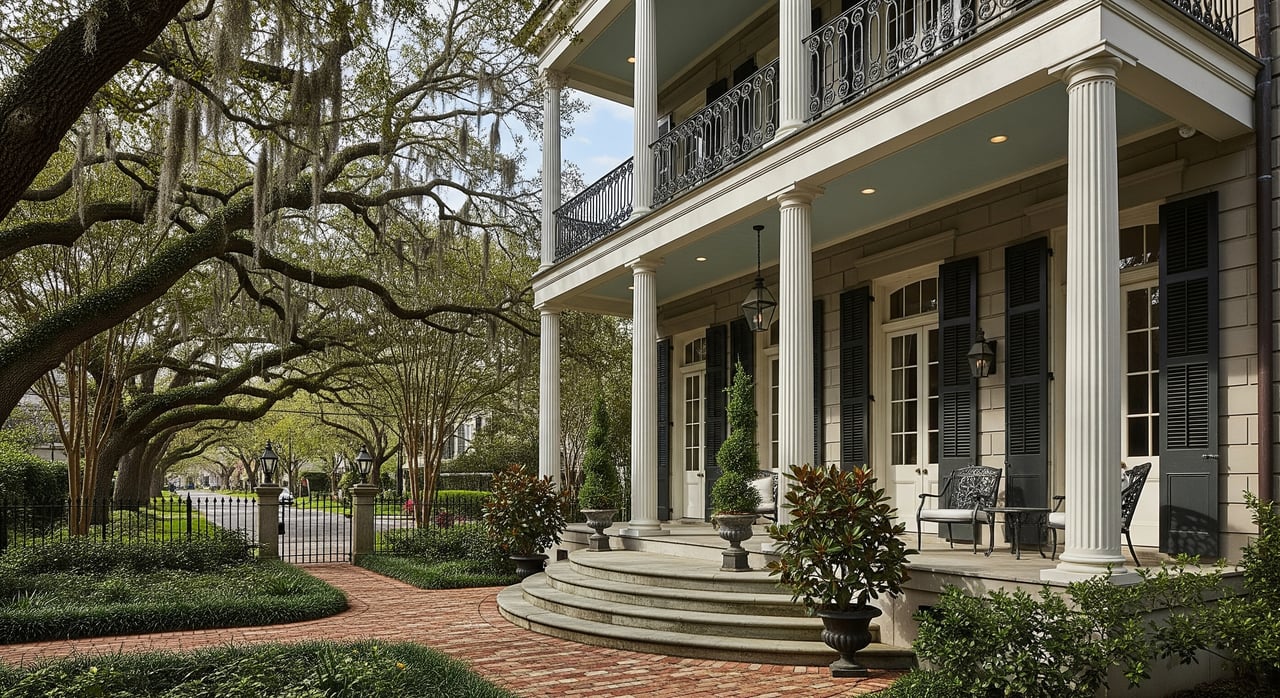
Uptown’s University and Carrollton area shines with historic architecture, mature street trees, and a strong porch culture. You’ll find shotguns, double-gallery homes, and Victorian or Greek Revival facades, often on narrower lots with smaller yards. Many residents walk to Magazine Street, university amenities, and Audubon Park, and catch the St. Charles streetcar or RTA bus for a car-light routine.
Parking can be tight, especially near Tulane and Loyola where time-restricted street parking pops up. Older homes bring charm and preservation value along with ongoing upkeep, from exterior woodwork and windows to foundations, roofs, and systems. If you love heritage details and the urban rhythm, Uptown’s fabric fits. For context on local house types and maintenance, explore the Preservation Resource Center’s regional guidance at the Preservation Resource Center of New Orleans.
Metairie ease: space and flexibility
Metairie offers larger lots, deeper setbacks, and abundant driveways with attached garages. You’ll see mid-century ranch homes, later construction, and newer subdivisions with straightforward car access. Daily errands often happen by car, with big-box retail and grocery-anchored centers nearby.
Commuting typically relies on I-10 and major arterials, and most residents prioritize convenience and parking over walkability. Homes often have newer systems relative to the oldest Uptown properties, and exterior updates or additions tend to be simpler to permit. For bus service details, review Jefferson Transit routes and schedules.
Costs, taxes, and insurance
Prices shift by block and market cycle, but Uptown’s most walkable corridors often command a premium per square foot. In many cycles, Metairie delivers more house and yard for the same budget. To compare true monthly costs, look beyond list price and model taxes, homeowners insurance, and flood insurance.
Orleans Parish and Jefferson Parish are different taxing jurisdictions, with distinct millages, assessments, and exemptions. Always pull the latest tax bills from parish assessor sites and confirm any homestead exemptions that apply. For flood risk, both areas include properties in mapped flood zones. Check the FEMA Flood Map Service Center, ask for elevation certificates when available, and price policies through the National Flood Insurance Program using FEMA’s overview of flood insurance basics.
Renovation rules and flexibility
Many Uptown blocks sit within local historic districts or preservation overlays. Exterior changes, such as windows, porches, and rooflines, may require review, which helps preserve neighborhood character but can add time and cost to your plan. Before you fall in love with a project house, verify rules and expected timelines with the New Orleans Historic District Landmarks Commission.
Metairie generally has fewer preservation constraints and more flexibility for exterior updates and additions. If you plan a modern expansion, pool, or a larger garage right away, factor the permitting path into your decision. Either way, always pull the permit history for prior work and confirm that projects were closed out properly.
Commute patterns and daily rhythm
If you work in the CBD, medical corridor, or Downtown destinations, Uptown can shorten drive times and give you credible transit options. The streetcar and RTA bus lines can reduce your need for a second car, so review schedules and routes with the New Orleans Regional Transit Authority. If your daily life centers on Jefferson Parish, the airport area, or Westbank employers, Metairie often trims commute stress.
Do a reality check. Run live-traffic tests for your work and school routes, both peak and off-peak. Then layer in where you actually spend evenings and weekends. A few saved minutes each day adds up.
Schools and childcare basics
New Orleans largely operates through charter schools, and families often evaluate individual schools rather than rely on a single neighborhood assignment. Jefferson Parish Public Schools tend to follow more traditional attendance patterns, along with magnet options. Enrollment processes, commute times, and private school choices vary, so verify the details that match your priorities and routines.
Keep your research neutral and broad. Review academic programs, transportation, and application timelines. Factor pickup and drop-off logistics into your daily drive plan.
What to inspect and budget for
Older Uptown homes can include raised-pier foundations, original wood windows, historic roofing details, and early-era wiring or plumbing. These elements are part of the charm and often worth preserving, but they need thorough evaluation. Suburban Metairie homes more often sit on slabs with straightforward access to systems, and their maintenance profiles reflect construction eras from mid-century forward.
Use a structured approach at the inspection stage:
- Roof age and drainage paths to the street
- Signs of past water intrusion, including stains or musty odors
- Foundation type and movement, including floor slope
- Electrical panel capacity and any legacy wiring
- Plumbing materials and water pressure
- HVAC age, duct routing, and cooling performance
- Window condition, insulation, and air sealing
- Yard grading, driveway wear, and alley or garage access
- Permit history, open violations, and elevation certificates where applicable
For third-party guidance on what pros look for, review the American Society of Home Inspectors’ resources at the American Society of Home Inspectors.
A quick decision framework
Work through these questions to get clarity:
- Lifestyle priority: Do you want daily walkability to parks, streetcar, and cafes, or do you prefer private outdoor space and an attached garage?
- Time and maintenance: Will you embrace preserving historic character, or do you want a lower-upkeep plan right away?
- Commute and routines: Where do you spend most weekdays and weekends, and which location shortens your stress?
- Schools and childcare: Which system and specific schools align with your enrollment plan and commute?
- Financials: Compare total monthly carrying costs, including taxes, homeowners and flood insurance, utilities, and realistic maintenance.
- Renovation flexibility: Will preservation rules affect the changes you want in the first two years?
Your 90-minute comparison tour
Make one outing count with a structured plan:
- Before you go: Pull tax bills, flood zones, last sale dates, lot dimensions, and available permit history. Save FEMA map tiles for quick reference.
- Street view walk: Park a block away. Note street width, sidewalks, tree canopy, noise levels, and street parking supply.
- Exterior and yard: Check drainage slope, fence and gate function, driveway clearance, garage access, and any alley conditions.
- Interior scan: Look for ceiling stains, floor transitions, door and window fit, HVAC and water heater ages, and a layout that fits your life. Ask for the seller’s property disclosure.
- Amenities and commute test: In Uptown, note streetcar stops and Magazine Street access. In Metairie, test major arterials and grocery access. Drive your likely work or school route.
- Post-tour: Request any prior inspections, permit history, elevation certificates, and a list of recent comparable sales to anchor pricing.
Bring a notepad or photo app, a tape measure, and a small flashlight. A little fieldwork now will save you time and money later.
Which one is right for you?
If you value historic architecture, porch-to-park walkability, and a vibrant street life, Uptown’s University and Carrollton blocks will likely speak to you. If you want a larger yard, easy parking, and faster paths for updates or additions, Metairie offers straightforward convenience. There is no wrong answer, only the right fit for your lifestyle, budget, and time horizon.
Ready to compare properties side by side with expert guidance in both areas? Schedule a private consult with G. Douglas Adams to refine your search, plan inspections, and model true monthly costs with confidence.
FAQs
Flood insurance differences between Uptown and Metairie
- Both areas include properties in FEMA flood zones, so check the FEMA Flood Map Service Center and request elevation certificates to price coverage accurately.
Renovation rules for Uptown historic districts
- Many Uptown blocks require exterior design review; confirm scope and timelines with the New Orleans HDLC before committing to windows, porches, or roof changes.
Transit options if you live in Uptown
- The St. Charles streetcar and RTA buses can support a car-light routine; verify frequency and routes with the New Orleans Regional Transit Authority.
Daily driving if you choose Metairie
- Expect car-based errands and commutes along major arterials and I-10; check Jefferson Transit for available bus routes and schedules.
What to prioritize during any home inspection
- Focus on roof and drainage, signs of past water intrusion, foundation type and movement, electrical and plumbing materials, HVAC age, window condition, and permit history; see the American Society of Home Inspectors for guidance.