Imagine mornings that start with light pouring through tall industrial windows onto old-growth beams and brick, and evenings that end on a rooftop terrace as the city hums below. If you are drawn to art, food, and the energy of a true downtown, a Warehouse District loft might be your kind of New Orleans home. In this guide, you will get a clear picture of daily life, what loft buildings offer, how HOA and insurance really work, and the key questions to ask before you buy. Let’s dive in.
Location and vibe
Set just south of the Central Business District and a short walk from the Mississippi River and the French Quarter, the Warehouse District is New Orleans’ gallery-and-restaurant corridor with a historic industrial core. The area, often called the Arts/Warehouse District, is known for brick warehouses converted into residences, lively street-level retail, and an easy-to-walk grid that rewards short trips on foot. The official neighborhood profile highlights its walkable, arts-forward character and mix of museums, galleries, and dining anchors. You can explore that context on the city’s neighborhood page for the Arts/Warehouse District.
Culture at your door
A few institutions shape the neighborhood’s rhythm. The Ogden Museum of Southern Art and the National WWII Museum sit within blocks, and the Contemporary Arts Center and private galleries line Julia Street. Monthly programming, exhibition openings, and concerts spill into daily life, so you feel connected to what is happening inside the museums as well as on the sidewalks.
Street events you will notice
Gallery culture here is not a once-a-year thing. Arts District New Orleans runs First Saturday gallery openings each month, and the annual White Linen Night turns Julia Street into a block party filled with art lovers and music. If you plan to live in the middle of it, bookmark Arts District New Orleans to track openings and event dates so you can plan your calendar and your guest list.
What a loft looks like
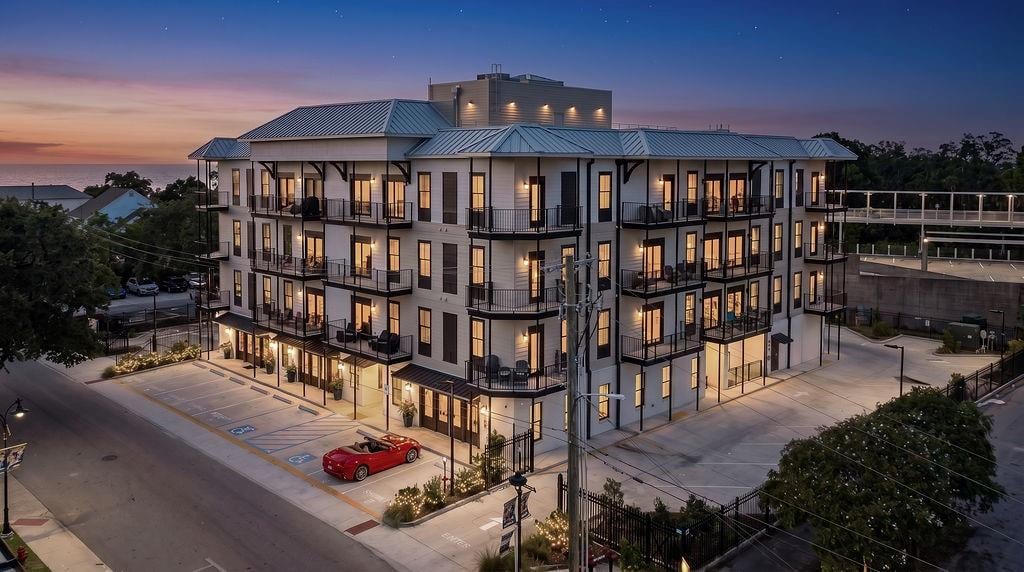
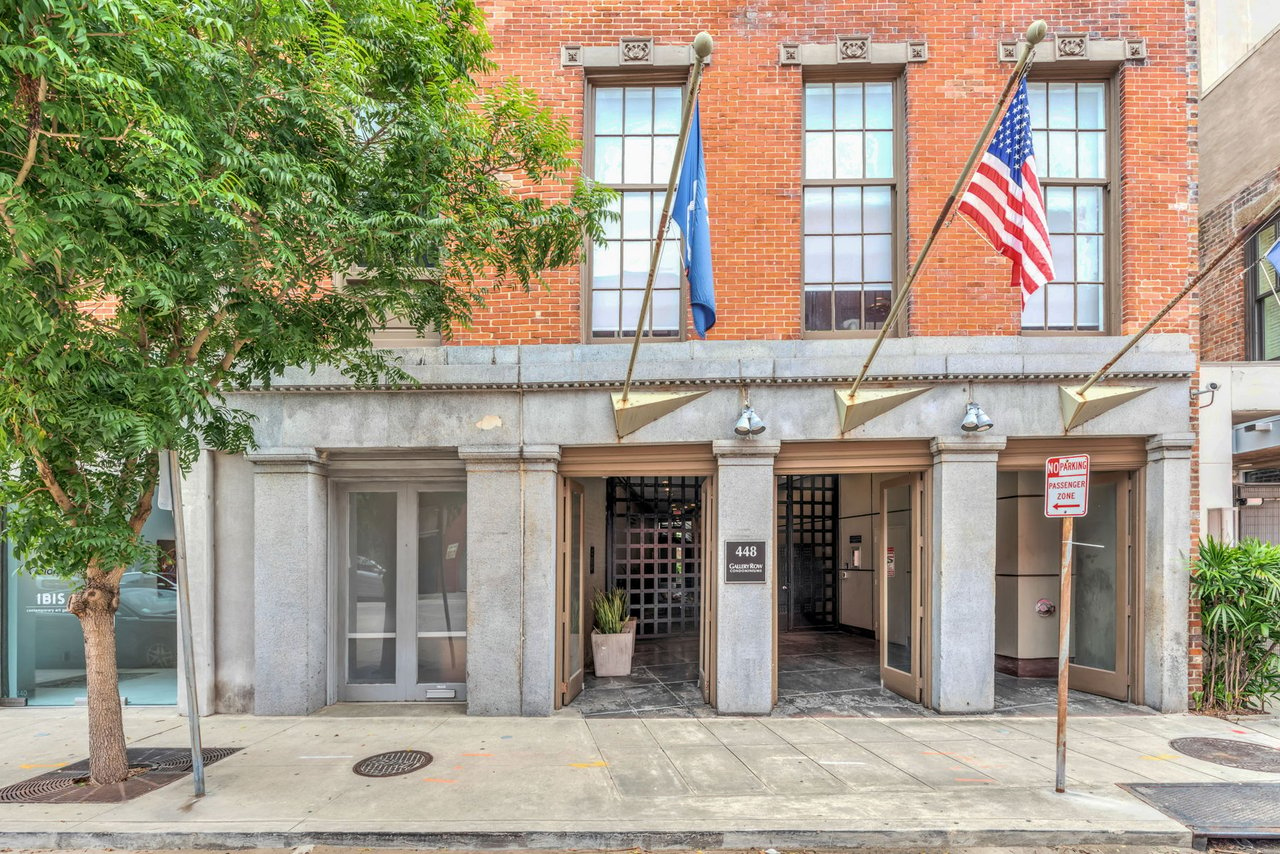
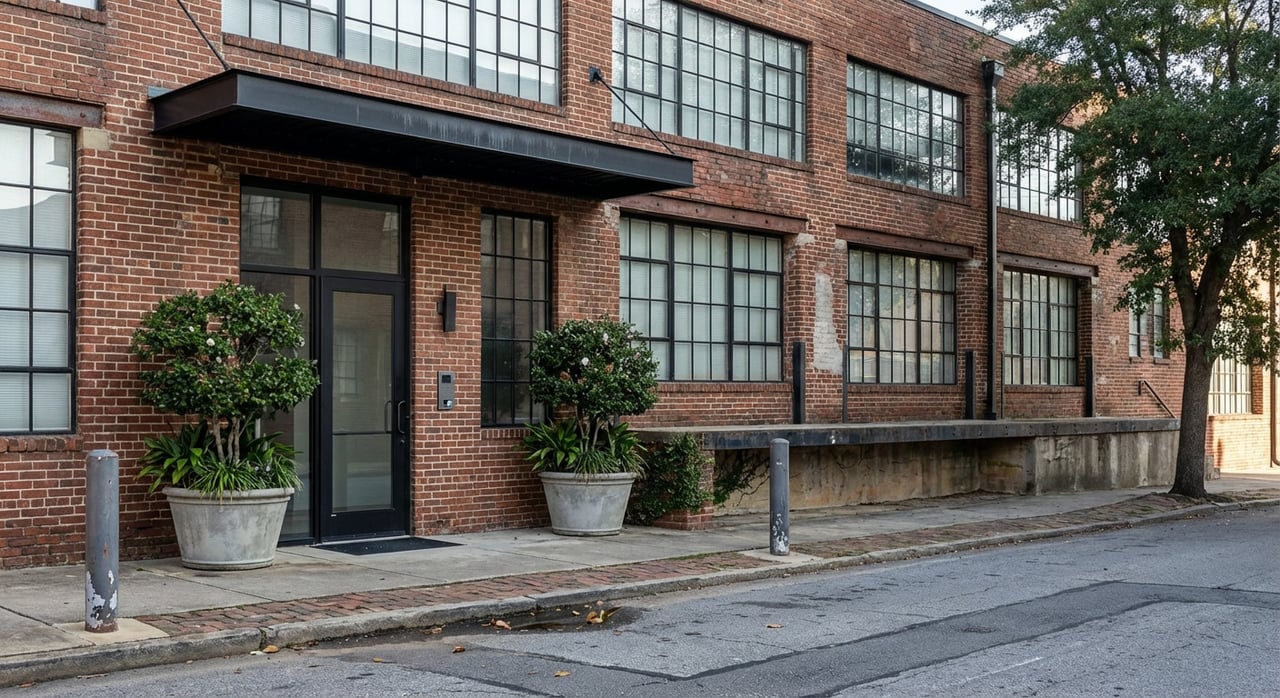
Most Warehouse District lofts live in one of two building types. Many are historic warehouse conversions with brick shells, visible timber or steel beams, and tall ceilings that can stretch from about 10 feet to well above. Others are newer mid-rise condominiums designed to echo that industrial aesthetic while delivering modern systems and amenities.
Inside, the hallmark loft details stand out: exposed brick, expansive windows, open living plans, and either wood or polished concrete flooring. Mezzanines appear in some layouts, while most kitchens and baths read modern with stone counters and stainless appliances. In-unit laundry is common and a major convenience for urban living.
Floor plans and amenities
You will see everything from studio and loft studios, often in the 500 to 900 square foot range, to two- and three-bedroom units and occasional penthouses. Rooftop or top-floor units tend to command a premium for light and views. Building amenities frequently include:
- Rooftop pools or terraces with skyline views
- Fitness rooms and secure access control
- Gated courtyards and on-site management or concierge
- Covered or secure parking, sometimes deeded
Not every building offers the same package, so it pays to compare. A few projects are offered as hotel-managed condominiums that cater to turnkey use, which can influence occupancy rules, services, and the overall building experience.
Daily life in a loft
Weekdays feel easy here. You can step out for coffee and a pastry, walk to a lunch meeting, then spend a late afternoon at the Ogden or the WWII Museum before heading home. Short rideshares and the streetcar cover quick cross-town errands, while many nights out are a few blocks on foot.
Weekends bring more art and dining. First Saturday openings fill the galleries with fresh work and conversation. And when White Linen Night arrives in August, the neighborhood goes full block-party with people-watching and art browsing as the main event.
Two day-in-the-life ideas
- Culture day: Coffee nearby → browse a Julia Street gallery → midday visit at the Ogden Museum of Southern Art → oysters and a glass of white wine → sunset on a rooftop terrace.
- Friends-in-town day: Late breakfast → stroll the WWII Museum campus → nap at home with the windows cracked for a breeze → First Saturday openings via Julia Street → dinner at a nearby chef spot.
Ownership facts to know
Condominium living concentrates convenience, but it comes with documents and details you should review before you write an offer. Louisiana’s Condominium Act sets the legal framework for declarations and bylaws, which are the rules that govern your building. You can reference the statute on Justia’s Louisiana Condominium Act page, then request these items from the seller or association:
- Full condo declaration and bylaws
- Current budget and HOA fee schedule
- Last three years of board minutes
- The most recent reserve study
HOA fees and what they cover
Monthly fees vary by building and amenity level. In many Warehouse District loft buildings, fees often include building insurance, common area care such as roof and elevators, pool and courtyard maintenance, security, and sometimes water or other utilities. The budget lines will tell you exactly what is covered. Ask how the association funds reserves and handles hurricane, wind, and flood repairs.
Parking, sound, and building systems
Parking arrangements can define your daily comfort. Some buildings include deeded spaces. Others rely on contract garage parking. Clarify what your unit includes, what a second space would cost, and how guest parking works. Because the neighborhood hosts events and has active street life, visit the building at different times of day to gauge sound and foot traffic. If you are sensitive to noise, ask about window glazing, wall construction, and any building sound studies.
Short-term rentals
Short-term rental policy has changed since 2019 and saw major revisions in 2023, including an often-cited one-per-block rule and on-site operator requirements designed to reduce clustering. Litigation and platform disputes continued into 2025, and enforcement has varied. If rental income is part of your plan, confirm current city rules and any condo-level restrictions before you assume a unit can be used for short lets. You can track the policy context through this WWNO overview of proposed rules.
Flood and insurance basics
Flood risk in downtown New Orleans varies block by block. Before you buy, pull the FEMA map for the exact address and ask the seller for any elevation certificates. Your lender or insurance agent can then quote expected flood coverage so you can compare total carrying costs with confidence. Start with FEMA’s Flood Map Service Center for address-level mapping.
Is a Warehouse District loft a fit?
If you want a low-maintenance home base that trades a yard for walkability, culture, and restaurant access, the Warehouse District fits that brief. Unit footprints tend to be efficient rather than sprawling, and association living means sharing costs for roofs, elevators, and reserves. In exchange, your daily routine is light on chores and heavy on access to art and dining. The neighborhood’s official profile underscores why many buyers choose it for its walkable, museum-and-gallery setting in the heart of the city. Read more about the Arts/Warehouse District.
Quick buyer checklist
- Visit the building at different times, including weekend evenings, to understand noise and activity.
- Request the declaration, bylaws, current budget, last three years of minutes, and the reserve study. Review what HOA fees cover and how reserves are funded.
- Confirm parking: deeded space vs. monthly garage contract. Ask about guest options.
- If rentals matter, verify building restrictions and current city short-term rental rules. Policy has evolved since 2023.
- Pull the FEMA flood map for the address and request any elevation certificates. Get a flood quote early.
- Ask whether any special assessments are pending or whether capital projects are backlogged.
Next steps
Choosing the right Warehouse District loft is about matching lifestyle with building reality. When you are ready to tour options, compare HOA budgets, and validate insurance and parking, connect with a local advisor who blends market knowledge with clear transaction guidance. For a private, tailored strategy, schedule a consultation with G. Douglas Adams.
FAQs
What defines a Warehouse District loft in New Orleans?
- Expect exposed brick, tall ceilings, large industrial windows, and open layouts set within historic conversions or newer mid-rises that echo the industrial style.
What do HOA fees usually cover in Warehouse District condos?
- Fees often include building insurance, common area maintenance like roofs and elevators, pool or courtyard care, security, and sometimes water or other utilities. Always confirm in the budget.
Are short-term rentals allowed in Warehouse District lofts?
- City rules tightened in 2019 and were revised in 2023 with limits by block and on-site operator requirements. Check current city policy and your building’s rules before planning STR use. See the WWNO overview.
How noisy is the area during gallery nights and events?
- Event nights like First Saturday and White Linen Night are lively. Visit the building during an event, ask about window glazing, and review any building soundproofing details if noise is a concern.
How does parking work for Warehouse District condos?
- Some units include deeded spaces while others rely on monthly garage contracts. Confirm what your unit includes, costs for additional spaces, and guest parking options.
What should I do about flood insurance for a downtown condo?
- Check the property’s FEMA flood zone and any elevation certificates, then request insurance quotes early. Use FEMA’s Flood Map Service Center for address-level details.