Buying or selling in the Lower Garden District and seeing the word “contributing” on a listing or survey? If you are drawn to historic architecture, that label can be a plus, but it also comes with rules. Understanding what it means will help you plan projects, timelines, and costs with fewer surprises. In this guide, you will learn how contributing status is defined, how it affects approvals with the New Orleans HDLC, and what to expect for common repairs and renovations. Let’s dive in.
What “contributing” means
A property is considered “contributing” when it adds to a historic district’s architectural or historical significance. Age, intact original features, and connection to the district’s period of significance all matter. In contrast, a non‑contributing property does not add to that significance, often due to later construction or major alterations.
In New Orleans, the Historic District Landmarks Commission, or HDLC, uses similar contributing and non‑contributing designations. Local HDLC rules govern what you can change on the exterior of a building in the Lower Garden District. Even if a property is also recognized by the National Register, the local HDLC standards are the operative rules for exterior review.
Who reviews changes and when
HDLC and Certificates of Appropriateness
For exterior work visible from a public right of way, the HDLC typically reviews your plans and issues a Certificate of Appropriateness. This is required for items such as additions, demolitions, new construction, visible roofing changes, porches, windows and doors, siding, and some accessory structures.
What triggers review
If someone on the street can see the change, plan on HDLC review. Work that is not visible from public view may be easier to permit. Emergency repairs can be made quickly when safety is at risk, but you should expect to document the work and obtain approval after the fact.
How reviews differ for contributing
Contributing buildings are reviewed more closely. You should expect the HDLC to prioritize retaining original features and materials. Minor, like‑for‑like repairs may qualify for faster administrative approvals. Significant changes, such as additions or alterations to character‑defining elements, usually require a full Commission review.
Standards for contributing properties
- Repair rather than replace when feasible.
- If replacement is necessary, match the original profile, dimensions, and details.
- New work must be compatible in scale, massing, rhythm, and materials, while remaining distinguishable on close inspection.
- Demolition of contributing resources is strictly reviewed and is rarely approved without demonstrating hardship or exploring alternatives.
Common projects and what to expect
Windows
The default approach is to repair and weatherize original wood windows. If full replacement is justified, the new units should match historic profiles, pane patterns, and muntin widths. Modern vinyl products on primary elevations are typically discouraged if they do not match historic appearance.
Porches and columns
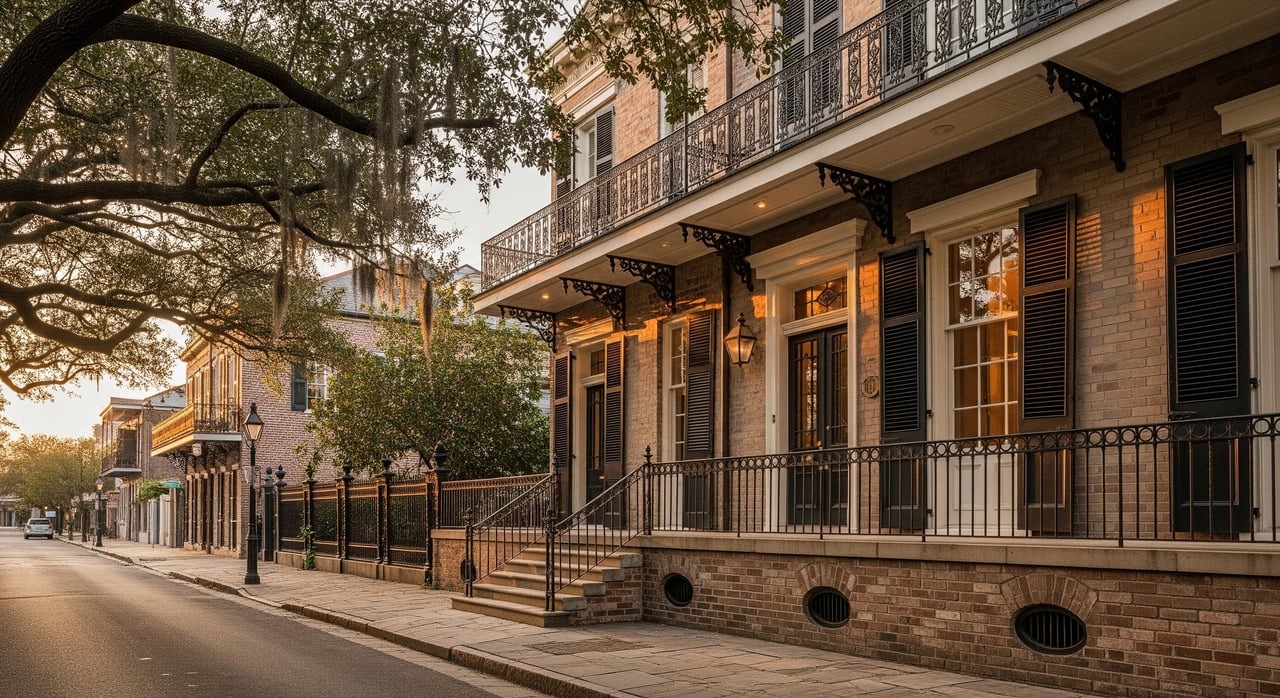
Expect to preserve porch depth, elevation, column shapes, railings, and balustrades. Replacement parts should replicate the originals in design and material. A simplified modern porch that changes the historic character is unlikely to be approved.
Roofs and cornices
Historic rooflines, parapets, and cornice details should be retained. Material swaps must read as compatible in texture and look. Where roofs are highly visible, historically appropriate materials are often preferred.
Additions and expansions
Additions are evaluated for compatibility and minimal visibility from the street. Rear additions that do not alter the primary facade are generally easier to approve, provided they respect the home’s scale and details.
Paint and color
Painting typically does not require a COA unless it alters a masonry finish or affects a significant feature. Color choices may be guided by local palettes and precedent within the district.
Demolition and new construction
Demolition of a contributing building faces the strictest review, including condition documentation and exploration of alternatives. New construction is reviewed for height, setbacks, rhythm, and materials that harmonize with the Lower Garden District.
Timelines, costs, and planning
Typical timelines
Simple, in‑kind repairs can sometimes be approved in days to weeks at the staff level. Larger projects that require a full Commission review can take several weeks to months. Early conversations with HDLC staff help reduce delays.
Budget factors
Preserving historic fabric often costs more than standard replacement. Expect higher costs for skilled trades and historically appropriate materials. You may also need architectural drawings and consulting support for complex work.
Pre‑application steps
A short concept review with HDLC staff can clarify what is feasible. Submitting complete plans, photos, and material specs speeds up the review. If your project is sensitive or complex, engage a preservation architect early.
Due diligence for buyers
- Confirm the property’s designation and whether it is contributing or non‑contributing.
- Review the property’s COA history and any open permits to see what was approved.
- Order a condition assessment focused on character‑defining features such as windows, porches, rooflines, and foundations.
- Consult HDLC staff or a preservation architect about your intended scope, likely approvals, and costs.
Smart steps for sellers
- Gather documentation on historic features, past COAs, photos, and plans that show permitted work.
- If buyers are likely to ask about specific improvements, consider pre‑applying for targeted COAs to remove uncertainty.
- Highlight recent compliant work and the home’s preserved features in your listing materials.
Value, incentives, and risk
Many buyers value the stability and architectural character of historic districts, which can support demand for well‑preserved homes in the Lower Garden District. Contributing status can enhance appeal for preservation‑minded buyers, while some buyers may prefer fewer restrictions. Price and absorption reflect these preferences, as well as property condition and scope of required work.
Budget for the true cost of stewardship. Authentic materials, custom millwork, and skilled repairs typically cost more, and reviews can add time to a project. Plan accordingly when evaluating offers or building a renovation timeline.
Regarding incentives, federal historic rehabilitation tax credits may apply to eligible income‑producing certified historic buildings that meet specific standards. State programs may also exist. Owner‑occupied residences usually do not qualify unless part of the property is income‑producing. Consult the Louisiana State Historic Preservation Office and a tax professional for current eligibility and requirements.
Non‑compliance can be costly. Work done without required approvals can lead to stop work orders, fines, forced removal, and resale complications. Always verify when a COA is needed and keep thorough records.
Next steps in the Lower Garden District
- Check whether the property is listed as contributing or non‑contributing in local inventories for the Lower Garden District.
- Request COA history and open permits through the city’s permitting channels.
- Conduct a site assessment that maps character‑defining features and repair needs.
- Meet with HDLC staff for pre‑application guidance and engage a preservation architect or experienced contractor for realistic budgets and drawings.
Preserving a Lower Garden District home can be deeply rewarding if you plan the process well. If you want help aligning your sale or purchase strategy with HDLC approvals, presentation, and market positioning, connect with G. Douglas Adams for guidance that blends preservation know‑how with premium marketing. Schedule a private consultation.
FAQs
What does “contributing” mean in the Lower Garden District?
- It means the property adds to the district’s historic and architectural significance based on age, integrity, and alignment with the district’s period of significance.
Who decides what changes I can make to a contributing home?
- The New Orleans HDLC reviews exterior work visible from the public right of way and issues Certificates of Appropriateness based on local design guidelines.
What kinds of projects usually need HDLC approval?
- Additions, demolitions, new construction, visible roofing changes, porch work, window and door changes, siding, and some accessory structures typically require review.
Are repairs faster for contributing homes if I match existing materials?
- Yes, in‑kind repairs and minor work can often qualify for administrative approvals, while major alterations typically require full Commission review.
Can I replace original windows on a contributing facade?
- Repair is preferred; if replacement is necessary, units should match original profiles, pane patterns, and details to remain compatible with the historic character.
Do tax credits apply to owner‑occupied contributing homes?
- Federal and some state credits generally apply to income‑producing certified historic buildings; owner‑occupied homes usually do not qualify unless part of the property produces income.