You want a Gulf Coast getaway that feels effortless to reach and easy to love. You also want a place with character, good food, and a low-key rhythm that invites long weekends and extended stays. If Bay St. Louis is on your radar, this guide helps you weigh lifestyle, property types, construction realities, insurance, rental potential, and the due diligence that smart second-home buyers complete before they commit. Let’s dive in.
Why Bay St. Louis stands out
Bay St. Louis blends small-town coastal living with a lively arts and dining scene. You get a historic Old Town, beach access, and quieter bayou pockets within the same compact area. Activity peaks from late spring through early fall, with calmer winters that many owners prefer for quiet escapes. It sits within an easy drive of regional hubs, which makes weekend use practical.
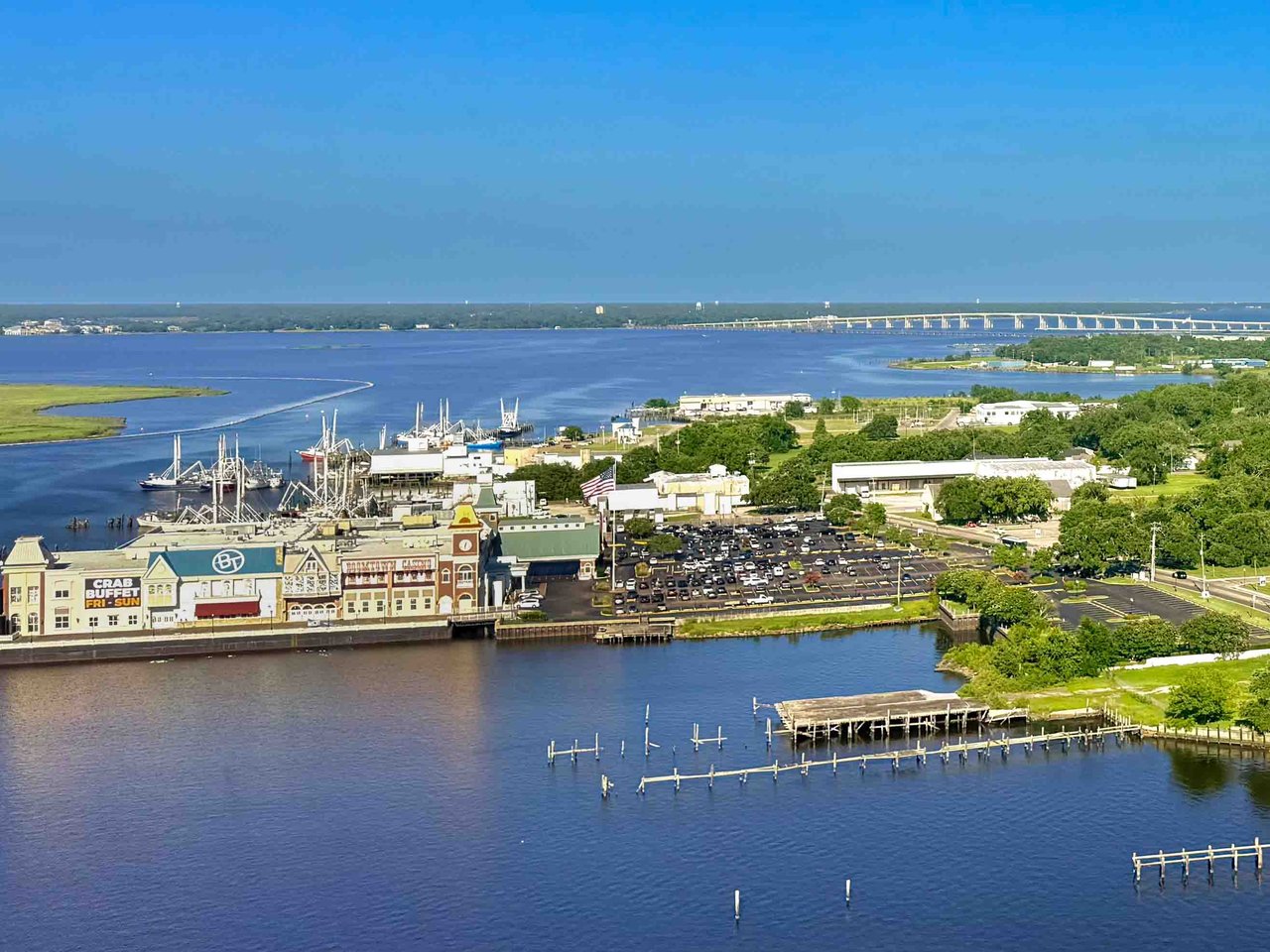
You will find a friendly, walkable core along the waterfront, plus seasonal festivals and community events. The cultural calendar supports both quick trips and longer seasonal stays. Regional airports and healthcare services are available within the Gulf Coast metro area. If proximity to specific providers matters, make that part of your early research.
Choose your setting
Old Town and waterfront
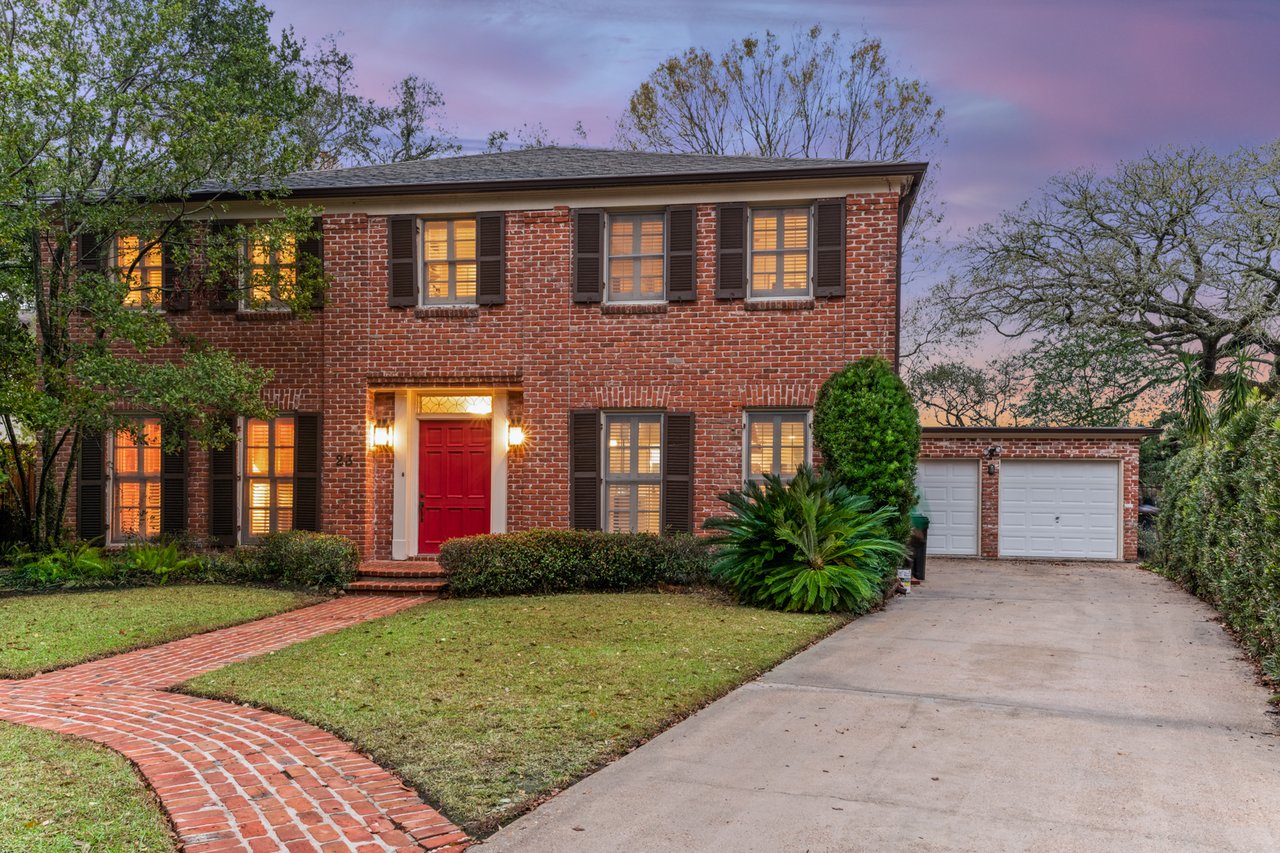
If you want a social, walkable feel, Old Town delivers boutiques, galleries, and restaurants near the water. Historic cottages and renovated homes add charm and character. Some properties may sit in historic districts that guide exterior changes, so plan to review local rules before renovations. This location suits you if you value events, strolling to dinner, and the energy of a tight-knit coastal village.
Beachfront and shoreline
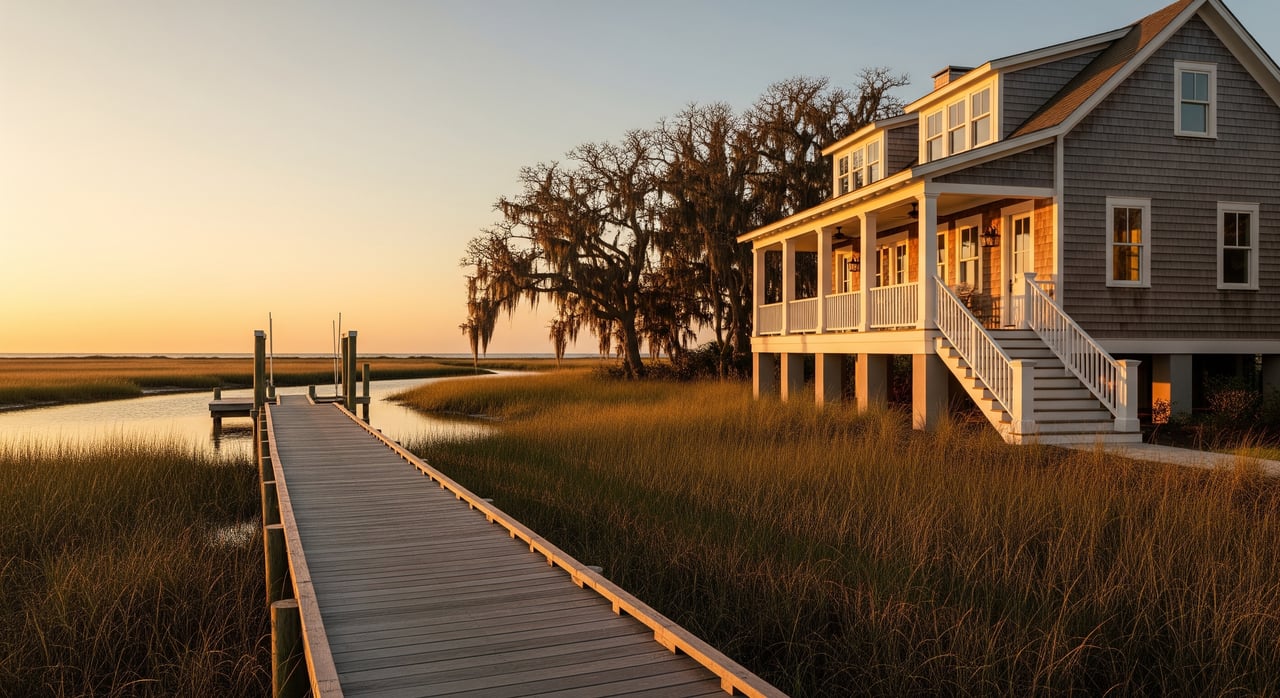
If water views and sand are your must-haves, beachfront and shoreline areas offer the classic Gulf retreat. You will see elevated construction with parking and storage below and living spaces above the Base Flood Elevation. Expect newer builds or renovated cottages that focus on wind resistance, impact-rated openings, and salt-friendly materials. This is a great fit if you want quick beach access and that sunrise or sunset view.
Bayou and quiet enclaves
If privacy and nature are your priorities, bayou-adjacent streets offer larger lots and marsh or bayou proximity. These areas appeal to birding and fishing enthusiasts and to owners who prefer less foot traffic. You still have access to town and the beach, just with a quieter daily backdrop. If you plan to spend time on the water by boat or paddleboard, this setting can be ideal.
Homes and construction you will see
Bay St. Louis includes historic cottages, raised coastal homes, and modern construction that reflects post-storm code updates. Elevated foundations, pilings, and flood-resistant materials are common along the shorelines. Impact windows, reinforced connections, and corrosion-resistant components are typical in newer homes. Condominiums exist in the broader area, but single-family homes are more common in Bay St. Louis proper.
On the coast, salt and humidity accelerate wear. Metal fasteners, exterior fixtures, decks, and HVAC equipment need more frequent attention. If you prefer a plug-and-play retreat, look for properties that already include impact-rated glazing, storm shutters, and proven exterior finishes. If you enjoy projects, historic cottages can reward thoughtful updates, but factor in preservation guidelines and permitting timelines.
Risks, insurance, and peace of mind
Hurricane season runs June through November, with the highest risk in late summer and early fall. Many desirable coastal areas fall within FEMA Special Flood Hazard Areas, commonly A or V zones. Elevation matters: homes elevated above the Base Flood Elevation can influence insurability and premium levels. You will want a recent Elevation Certificate and address-specific quotes before you make an offer.
Premiums for flood insurance have shifted under Risk Rating 2.0, which prices coverage to the property’s individual risk rather than older rate maps alone. You can obtain flood insurance through the NFIP or private markets. In addition to flood, plan for wind coverage, which may be handled through standard carriers or state-backed mechanisms in higher-risk areas. Review vacancy clauses, storm deductibles, and inspection requirements that often apply to second homes.
A practical plan reduces stress. Confirm storm shutters or protection, identify a local point of contact, and map an evacuation route. If you plan to rent, align your property manager’s hurricane procedures with your insurer’s requirements. A little preparation goes a long way on the coast.
Operating costs to plan for
Coastal ownership includes a few line items that differ from inland homes. Build them into your budget from the start.
- Exterior maintenance: faster cycles for paint, sealants, railings, decking, and metal fixtures due to salt exposure.
- Roof and openings: impact-rated windows or shutters, roof tie-downs, and corrosion-resistant hardware all require periodic inspection.
- Foundation and structure: piling and underside inspections for elevated homes, plus enclosure upkeep and ventilation.
- Mechanical systems: HVAC units and outdoor equipment have shorter lifespans near salt spray; consider service contracts and coastal-rated components.
- Landscaping and shoreline: bayfront or beachfront parcels may need bulkhead, dune, or erosion-control maintenance.
- Utilities and seasonal use: remote monitoring, winterization, and recurring check-ins if the home sits vacant between visits.
Financing and taxes for second homes
Lenders treat second homes differently than primary residences and pure investments. Expect larger down payments, strong credit requirements, and questions about your occupancy plans. If you intend to rent the property, be transparent with your lender so the loan structure matches your use.
Property taxes and exemptions vary by county. Homestead exemptions typically apply only to primary residences, so do not count on them for a second home. Some buyers hold title in an LLC or trust for planning and liability reasons. Before you choose an entity, confirm how that choice affects lending, insurance, and coverage terms.
Renting your home the right way
Short-term rental demand follows the coast’s seasonal rhythm. Summer and holidays see the highest occupancy, driven by beach trips, Old Town events, and proximity to regional attractions. Shoulder seasons can deliver steady weekend demand with lower crowds.
Regulations and HOA covenants matter. City and county rules can require business licenses, safety checks, occupancy limits, and tax collection. Some associations limit or prohibit short-term rentals. Verify requirements with local authorities and your HOA before you buy, and build compliance tasks into your management plan.
Professional property management is common for out-of-area owners. Services often include guest screening, housekeeping, routine maintenance, and storm readiness. Returns are highly variable and depend on exact location, property quality, and marketing. Focus on net yield after management fees, insurance, maintenance, and occasional downtime for storm recovery.
Hands-on due diligence
A disciplined process protects your time and capital. Use this checklist to move from curiosity to clarity.
- Visit in multiple seasons to gauge traffic, noise, and neighborhood feel during peak and quiet periods.
- Pull FEMA flood maps and request a recent Elevation Certificate. Make flood risk and elevation part of your decision.
- Obtain written flood and wind quotes for the specific address before you submit an offer. Ask about hurricane deductibles and vacancy rules.
- Review repair and permitting history, especially for post-storm work, elevation changes, and structural improvements.
- Confirm short-term rental rules with city or county offices and review HOA covenants for any rental restrictions.
- Hire a coastal-aware home inspector, and consider a structural engineer for elevated homes or properties with seawalls or bulkheads.
- Ask for maintenance logs, shoreline work history, and vendor contacts. Confirm availability of local contractors for routine and emergency calls.
- Verify utility service, known outage patterns, and any planned infrastructure projects that could affect access or noise.
- Interview at least two property managers. Compare service levels, storm procedures, and fee structures.
Is Bay St. Louis the right fit?
If you want a relaxed coastal town with a true sense of place, Bay St. Louis offers a compelling mix of Old Town charm, beach access, and quiet bayou pockets. The tradeoffs are real: hurricane and flood risk, evolving insurance costs, and higher coastal maintenance are part of the picture. With clear due diligence and the right property choice, many owners find the balance well worth it.
If you are weighing Old Town versus beachfront or deciding whether to rent seasonally, a guided search can speed you to the right answer. For tailored advice across lifestyle, construction, financing, and operations, schedule a private consultation with G. Douglas Adams.
FAQs
What is the best time to visit Bay St. Louis when scouting a second home?
- Late spring through early fall shows peak activity and rental rhythm, while winter and shoulder seasons reveal the quieter pace many owners value.
How do FEMA flood zones affect Bay St. Louis second homes?
- Many coastal parcels fall in A or V zones, so you should obtain an Elevation Certificate and address-specific flood quotes to understand requirements and premiums.
What is FEMA’s Risk Rating 2.0 for Bay St. Louis properties?
- It is the updated flood-pricing method that uses property-level risk, which means you should rely on new quotes rather than historical premiums.
Are short-term rentals allowed in Bay St. Louis?
- Rules vary by city, county, and HOA, so verify licensing, safety, occupancy, and tax requirements and confirm whether your HOA permits short-term rentals.
What insurance should I consider for a Bay St. Louis second home?
- Plan for flood coverage through NFIP or private carriers, wind coverage that may involve state residual mechanisms, plus contents and liability suited to second-home use.
What are common maintenance needs for coastal homes in Bay St. Louis?
- Expect faster exterior wear from salt and humidity, routine checks of roofs and openings, piling inspections for elevated homes, HVAC service, and shoreline upkeep where applicable.