You love the Warehouse District’s energy and the idea of tall windows, brick, and steel. The question is whether you want the patina of an authentic warehouse conversion or the comfort-first approach of a newer loft-style condo. That choice affects how your home feels day to day, what you spend on utilities and insurance, and how your condo performs when it is time to resell. In this guide, you will learn the real differences between hard lofts and soft lofts in the Warehouse District and how to compare them on a tour. Let’s dive in.
Hard loft vs. soft loft: the basics
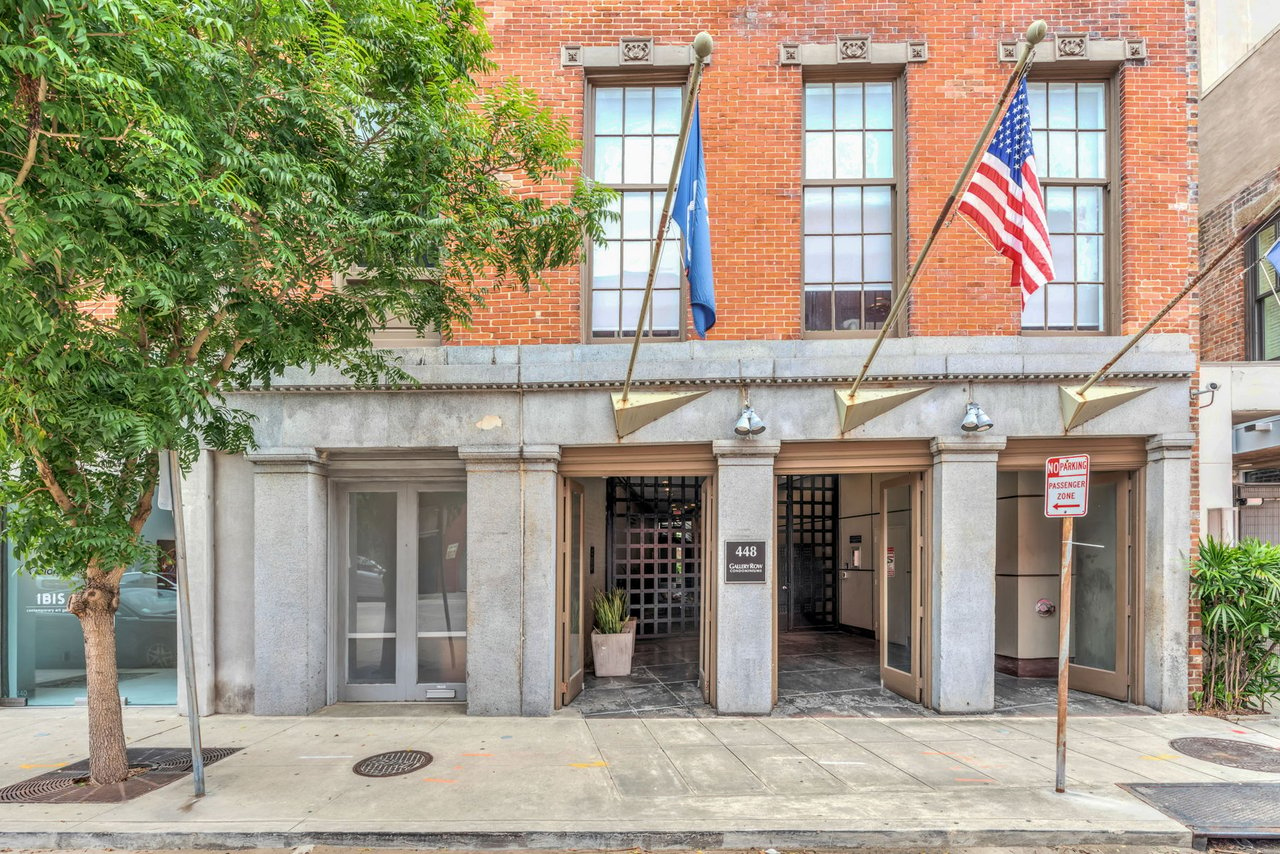
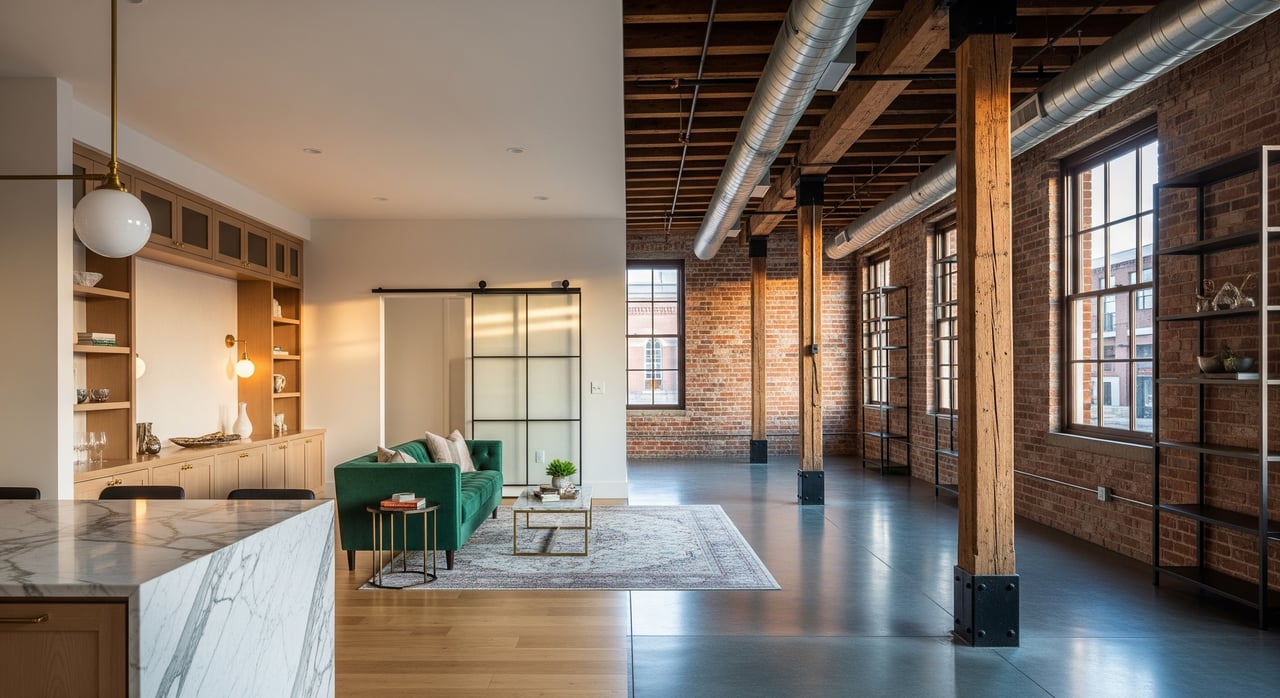
A hard loft is a true warehouse or industrial building converted to residences. You will often see heavy timber or steel columns, exposed brick, concrete or timber slab floors, and very high ceilings. Windows tend to be large and industrial in scale, and floor plans are usually very open.
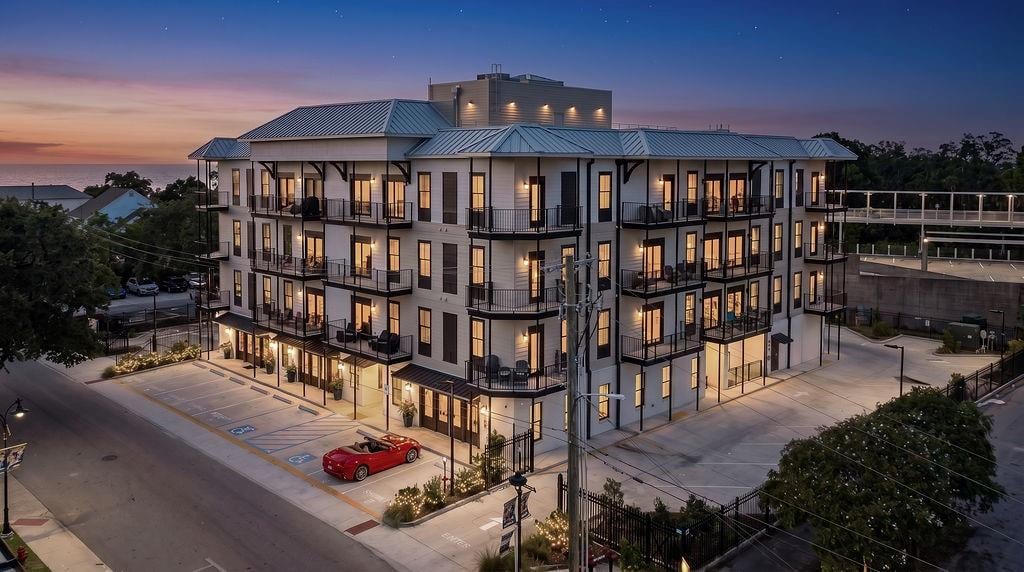
A soft loft is newer construction or a gut-rehab designed to deliver the industrial look. You may see exposed ductwork and tall ceilings, but the structure, systems, and windows are modern. Rooms are more defined, with contemporary electrical, plumbing, and HVAC built to current residential code.
What you will notice on a tour
- Ceiling height:
- Hard loft: commonly 12 to 20 feet or more, sometimes with mezzanines.
- Soft loft: often 9 to 12 feet, sometimes higher, but typically lower than a true warehouse volume.
- Structure and finishes:
- Hard loft: original columns, beams, brick, and visible slabs.
- Soft loft: modern framing with decorative industrial touches.
- Windows:
- Hard loft: large, often steel-framed units that may be single-pane or retrofitted, with varied operability.
- Soft loft: modern insulated glazing sized for the look, usually better for energy and comfort.
- Floor plans:
- Hard loft: very open with fewer partitions and built-ins.
- Soft loft: open living areas with defined bedrooms and more storage.
- Systems and life safety:
- Hard loft: retrofits vary by project and era, from sprinklers and elevators to adapted HVAC.
- Soft loft: designed to current code for fire, egress, accessibility, and mechanicals.
How these differences affect daily living
Thermal comfort and energy
Tall ceilings are beautiful, but they increase the volume of air you need to heat and cool. Without zoned HVAC or ceiling fans, you can feel temperature stratification where warm air collects high and cooler air sits at living level. Window type matters too. Single-pane industrial windows common in some hard lofts often transfer more heat, while modern insulated glazing in most soft lofts improves comfort and can lower utility costs. In general, soft lofts have better building envelopes and more efficient HVAC. Hard lofts can match that, but it may require targeted upgrades.
Acoustics and noise
Sound moves differently in open spaces. Exposed slabs, ducts, and minimal partitions in many hard lofts can increase echo and allow more noise to travel. Floor and ceiling performance depends on the original structure. Heavy concrete slabs can perform well for airborne sound, while timber structures may transmit more impact noise unless upgraded. Soft lofts often include sound-rated walls and engineered floor assemblies that reduce transmission. When possible, ask about STC and IIC ratings for party walls and floor-ceiling assemblies, and listen during your tour at different times of day.
Daylight, views, and privacy
Large industrial windows in hard lofts bring deep daylight and dramatic views. They can also create privacy tradeoffs or uneven light depending on window spacing. Soft lofts often use modern glazing sized for the look with better operability and shading options, which can make light and privacy easier to manage.
Maintenance and access to systems
Exposed ductwork and piping in hard lofts make systems easy to see and service, but they can require periodic cosmetic upkeep. In soft lofts, systems are usually concealed, which looks clean but can make access more involved during repairs. In conversions, expect varying histories for plumbing, electrical, and roofing. Ask for documentation and recent maintenance records.
Fire and life safety
Warehouse conversions require upgrades for residential use, which can include sprinklers, new egress paths, and elevator improvements. What was done and when it was done varies by building. Soft lofts are typically designed from the start to meet current residential codes.
Flood risk and insurance
The Warehouse District sits within a low-lying coastal city. Flood risk is property specific, and premiums can affect your carrying costs. Request the building’s Elevation Certificate, verify the unit’s FEMA flood zone, and ask for any past flood claim history. Older buildings with basement-level spaces or ground-level mechanical rooms can carry more risk. Lenders will consider this during underwriting, so get clarity early.
Resale realities in the Warehouse District
Demand and perception
Hard lofts carry authentic character. Buyers who value original masonry, tall volumes, and historic fabric often pay attention to these buildings. Soft lofts attract shoppers who want the industrial vibe with quieter interiors, efficient HVAC, and modern windows. In the Warehouse District, proximity to restaurants, museums, and the Convention Center matters, and different buyer profiles value these features differently. Your choice should align with how you plan to live in the space and who you expect to sell to later.
Liquidity and comparables
Hard lofts make up a smaller niche. Fewer comparable sales can lead to price swings and variable days on market. Soft lofts and other condo types may have more comps, which can make pricing and appraisal smoother. When you evaluate value, compare price per square foot and days on market among similar building types and eras.
Renovation and restrictions
Some historic buildings fall under local preservation oversight. That can influence window replacements, exterior work, and sometimes interior elements tied to historic fabric. In any condo, association rules may govern alterations, use of common areas, and rental policies. These factors affect both your enjoyment and investor appeal on resale.
Operating costs and reserves
HOA dues, reserve health, and any special assessments have a direct impact on affordability and future saleability. Flood and wind insurance can be significant in New Orleans. Buyers compare HOA, taxes, insurance, and utilities across options. Well-funded reserves and a clear maintenance plan are positive signals. Backlogs for roofs, masonry, or windows are red flags, especially in older conversions.
Market signaling
Authentic features that are well maintained and paired with documented, permitted upgrades tend to support value. Poorly executed conversions, ad-hoc mechanicals, and unpermitted changes can hurt marketability and complicate inspection and financing.
How to compare on a tour
Use this practical checklist to keep your evaluation clear and objective.
Building and unit questions
- Is it a true warehouse conversion or a newer loft-style building? Ask for original photos and a conversion timeline.
- What is the building’s historic status, and are there any preservation designations that affect renovations?
- Were conversion and renovation permits pulled and closed? Request permit history and a certificate of occupancy.
- What is the unit’s flood zone? Ask for the FEMA map panel, the Elevation Certificate, and any past flood claims.
- Ask the HOA or manager for the reserve study, operating budget, and any recent or pending special assessments.
- Request typical utility costs for similar units and recent owner bills.
Comfort, systems, and structure
- Measure ceiling height and look for mezzanines. Confirm HVAC zoning and whether ceiling fans are installed.
- Check window type: single-pane steel, modern double-glazed, or thermally broken frames. Do they open smoothly?
- Identify HVAC type and age. Is it centralized, in-unit split systems, or PTACs? Who maintains common equipment?
- Ask about insulation in walls and roof and whether any thermal upgrades were documented.
- Confirm electrical capacity and age. Older conversions may require panel or wiring updates.
- Ask about plumbing materials and the location of shutoffs.
- Verify sprinklers, smoke detectors, fire separations, and egress paths.
- Request any records on water intrusion, roof or window leaks, and remediation.
Acoustics and finishes
- Ask whether the building has documented STC and IIC ratings for demising walls and floor-ceiling assemblies.
- Visit at different times if possible. Listen for neighbor noise, street noise, and mechanical sounds.
- Note flooring type and underlayment. Hard surfaces without resilient layers can increase impact noise.
Market and legal
- Review condo documents: CC&Rs, bylaws, budget, master insurance, and meeting minutes for the last 12 to 24 months.
- Confirm rental and short-term rental policies if investment flexibility matters to you.
- Verify how parking and storage are assigned, and whether spaces are deeded or fee-based.
What to look for in photos and showings
Because visuals are part of the decision, use images to spot key details before you tour.
- Exterior and context: Look for the rhythm of windows that signals an original industrial façade. Note proximity to galleries and restaurants, and any active commercial neighbors.
- Interiors: Wide shots help you gauge ceiling height. Close-ups reveal the quality of brick, beam joinery, and window frames. Look for reflections in glazing that can hint at single vs. double panes.
- Mechanicals: Photos showing exposed ducts, risers, or HVAC closet locations help you anticipate access and noise.
- Plans and layout: Compare truly open plans to soft-loft layouts with defined bedroom zones and storage.
- Common areas: Roof decks, storage rooms, and parking access can tip the scales between two finalists.
Caption notes that help your review:
- Large steel windows: ask whether glazing was replaced and whether frames are thermally broken.
- High ceilings: confirm HVAC zoning and fan placement to manage stratification.
- Original timber or concrete: ask about acoustic upgrades between floors.
Which one fits your lifestyle and goals
Choose the option that aligns with how you live and how you plan to exit.
- Pick a hard loft if you value authenticity, volume, and historic materials, and you are comfortable verifying system upgrades and budgeting for targeted improvements.
- Pick a soft loft if quiet interiors, efficient HVAC, modern windows, and defined bedrooms are priorities, and you want an envelope that likely meets current code from the start.
- For resale, consider your likely buyer. Authenticity carries cachet with some shoppers, while broad comfort features can widen the buyer pool.
Next steps
- Tour with a tape measure and a simple checklist. Measure heights, note window types, and listen for noise.
- Request documentation early. Permit history, elevation certificates, HOA budgets, and reserve studies answer most risk questions.
- Compare apples to apples. Line up price per square foot, days on market, HOA dues, insurance estimates, and recent utility costs across your finalists.
If you want a guided approach grounded in heritage property expertise, market data, and careful visual analysis, reach out to schedule a private consultation with G. Douglas Adams. We will help you focus on the right buildings, pressure-test the numbers, and secure a home you will love living in and reselling.
FAQs
What is the core difference between hard and soft lofts in the Warehouse District?
- Hard lofts are authentic warehouse conversions with original structural elements and very open plans, while soft lofts are newer loft-style condos that deliver the industrial look with modern systems, windows, and code-compliant construction.
Are hard lofts louder than soft lofts in New Orleans condos?
- They can be, since exposed slabs, ducts, and fewer partitions often increase echo and sound transmission, while soft lofts more commonly include sound-rated walls and engineered floor assemblies; always ask about STC and IIC and listen during a tour.
How do windows affect comfort and energy use in Warehouse District lofts?
- Single-pane industrial windows common in some hard lofts can increase heat gain and loss, while modern insulated glazing found in many soft lofts improves thermal comfort and can reduce utility costs; installation quality and sealing also matter.
Do I need flood insurance for a Warehouse District condo?
- It depends on the building’s FEMA flood zone and Elevation Certificate; lenders use those to determine requirements, and premiums vary by elevation, past claims, and where mechanicals are located.
Can I renovate freely in a historic Warehouse District building?
- Not always; historic designations and condo rules can limit certain changes, especially exterior work and items tied to historic fabric, so verify preservation oversight and association guidelines before planning improvements.
Which type tends to resell better in the Warehouse District?
- It depends on your buyer pool: hard lofts attract shoppers who prize authenticity and character, while soft lofts typically appeal to a broader audience that prioritizes quieter interiors and efficiency; compare comps by building type and era for a clearer picture.
What should I ask the HOA before making an offer on a Warehouse District loft?
- Request the reserve study, budget, recent assessments, master insurance details, meeting minutes for the past 12 to 24 months, rental policies, and any documented maintenance items like roofs, masonry, or window projects.