THE DOUGLAS ADAMS EDITORIAL SERIES
How to Position a Distinctive New Orleans Home for the Right Buyer
Why historic, architecturally significant, and luxury properties require informed positioning, disciplined preparation, and a strategy designed to reach a specialized buyer.
Quick Answer
Sellers should position a distinctive New Orleans home by treating it as a one-of-a-kind property, not as an interchangeable listing. Marketing a distinctive New Orleans home usually means taking more time to research its history, explain its architecture, address as much deferred maintenance as reasonably possible, disclose material conditions completely, and present it with strong photography and editorial storytelling aimed at the specific buyer most likely to value it.
In my experience, that combination helps attract a more informed buyer and can reduce unnecessary negotiation pressure later.
Some homes in the New Orleans Metro market are easy to compare. Others are not.
A historic residence, an architecturally significant home, or a luxury property with unusual character often needs a different strategy than a standard listing. These homes do not usually sell because they are simply available. They sell when the right buyer recognizes their meaning, quality, and potential fit.
That is why sellers should expect a more deliberate process. The buyer pool is often narrower, and the home may require one particularly qualified buyer who appreciates its design, history, condition, and significance. If deferred maintenance has accumulated, that can lengthen the marketing period further and give buyers additional leverage during negotiations.
My view is straightforward. A distinctive property should not be marketed as though it were interchangeable with every other home. The goal is not just exposure. The goal is informed positioning that helps the right buyer understand why this home matters.
Why Distinctive Homes Often Take Longer to Sell
Sellers are sometimes surprised when a notable home does not move as quickly as a more conventional property. That does not always reflect weak demand. Often, it reflects the nature of the asset.
A distinctive New Orleans home may appeal to a smaller group of buyers because the decision is more personal and more specific. A buyer for this kind of property is not only considering price and location. That buyer is also weighing architecture, provenance, condition, maintenance responsibilities, and the emotional pull of the home itself.
That process can take time.
In my professional observation, these properties often require one buyer who truly understands what they are seeing. That is especially true when the home has meaningful history, a notable designer or builder, unusual craftsmanship, or physical issues that need to be acknowledged honestly.
Broad marketing alone is rarely enough. The property must be positioned so the right audience can connect with it.
Start With the Story of the House
One of the most effective ways to market a distinctive New Orleans home is to understand its story before it goes to market.
That means researching who designed or built it, who owned it, who lived there, and which historically significant people may have visited it. Those details do not replace value, condition, or pricing discipline, but they can create the emotional connection that moves the right buyer to act.
In my experience, buyers for distinctive homes respond to context. They want to know what makes the property different. They want more than room counts and finish lists. They want meaning.
This is where architectural storytelling matters. If the home has important design details, those should be explained clearly. If it represents a certain period, style, or lineage, that should be presented thoughtfully. If the house has been carefully preserved or sensitively updated, that deserves to be documented.
My recommendation is not based on a legal rule or universal valuation formula. It is my professional marketing perspective. When the narrative is credible, specific, and supported by available records and materials, buyers tend to engage at a deeper level.
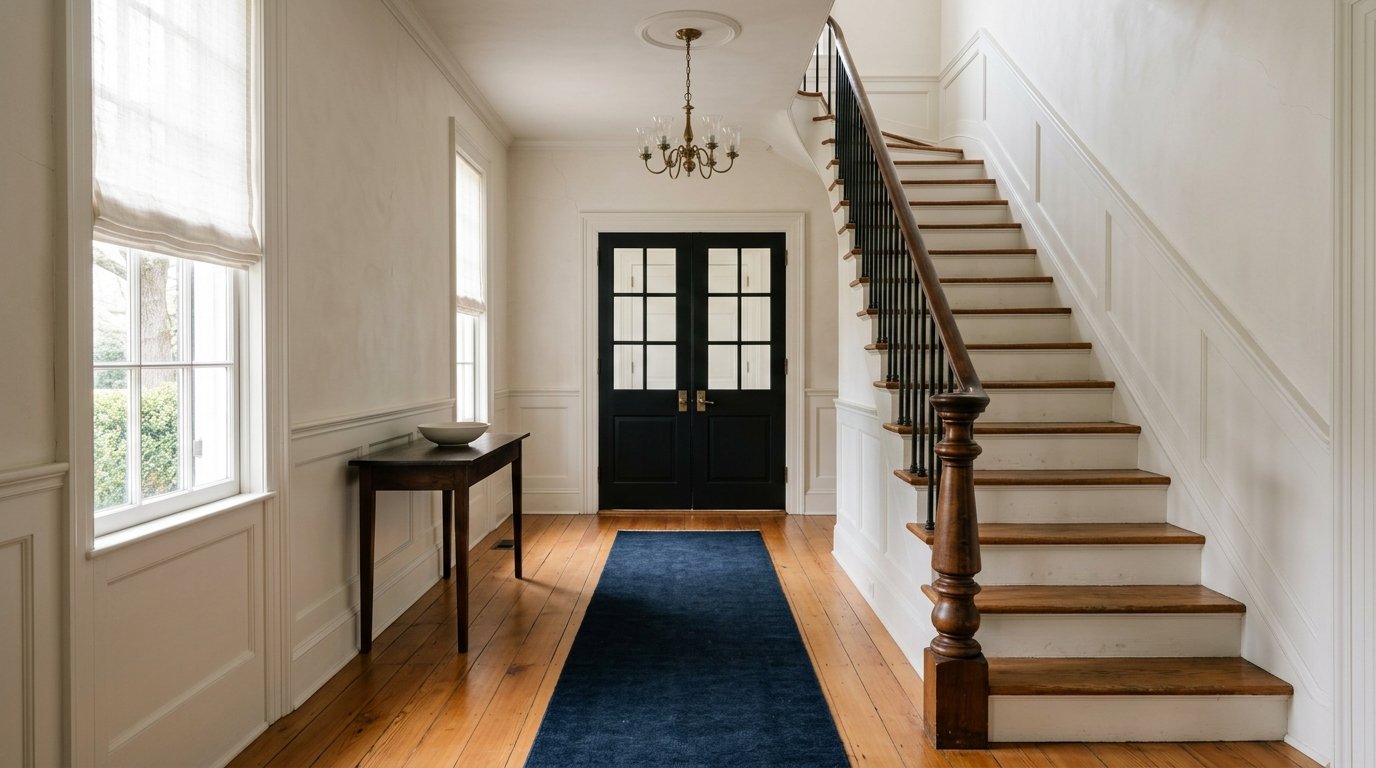
Address Deferred Maintenance Before Listing
Even an important home can lose momentum quickly if avoidable condition issues are left unresolved.
For sellers, one of the most practical steps is to address as much deferred maintenance as reasonably possible before the property goes on the market. Preparation may save time, reduce negotiation pressure, and protect the seller’s financial position.
This does not mean every issue must be fully corrected, and the right approach can vary by property. It does mean sellers should be realistic about how visible condition problems affect buyer confidence. When a home already requires a specialized buyer, unresolved maintenance can shrink that pool even further.
A buyer who appreciates architecture and history may still hesitate if the home appears neglected or if obvious issues suggest future expense without clear documentation. Distinctive properties benefit when sellers eliminate distractions where they can and present the home as responsibly stewarded, even when imperfections remain.
Why Complete Disclosure Strengthens Positioning
Transparency matters, especially with architecturally significant or unusual homes.
Louisiana uses a mandatory property-disclosure form, and sellers should approach disclosure carefully and completely. Beyond the form itself, my advice is to present material issues honestly rather than trying to minimize them. In many cases, informed disclosure strengthens credibility with serious buyers.
That is particularly important when a home’s significance might tempt a seller to assume buyers will overlook condition. Sophisticated buyers usually do not. They want the truth, and they tend to respond better when the property is presented with candor.
Sellers should also be careful not to market renovation or development potential loosely. In New Orleans, local historic-district or landmark requirements can apply depending on the specific property. Any property-specific requirements should be verified before such potential is promoted.
Use Photography and Editorial Marketing to Reach the Right Buyer
A distinctive home needs better than generic listing treatment.
Professional photography is essential, but it should do more than make the home look attractive. It should communicate scale, materials, light, craftsmanship, setting, and the architectural details that make the property memorable.
When available and appropriate, floor plans, video, and supporting marketing collateral can also help buyers understand the home more fully.
Editorial marketing matters just as much. The written presentation should not read like a standard template pasted onto an unusual property. It should explain what the buyer is seeing and why it matters.
In my professional perspective, the most effective marketing for distinctive homes combines visual quality with editorial discipline. The listing should be accurate, thoughtful, and targeted to the buyer most likely to value the property.
The point is not to dramatize. The point is to create informed interest.
A Firsthand Example: Fountainhead
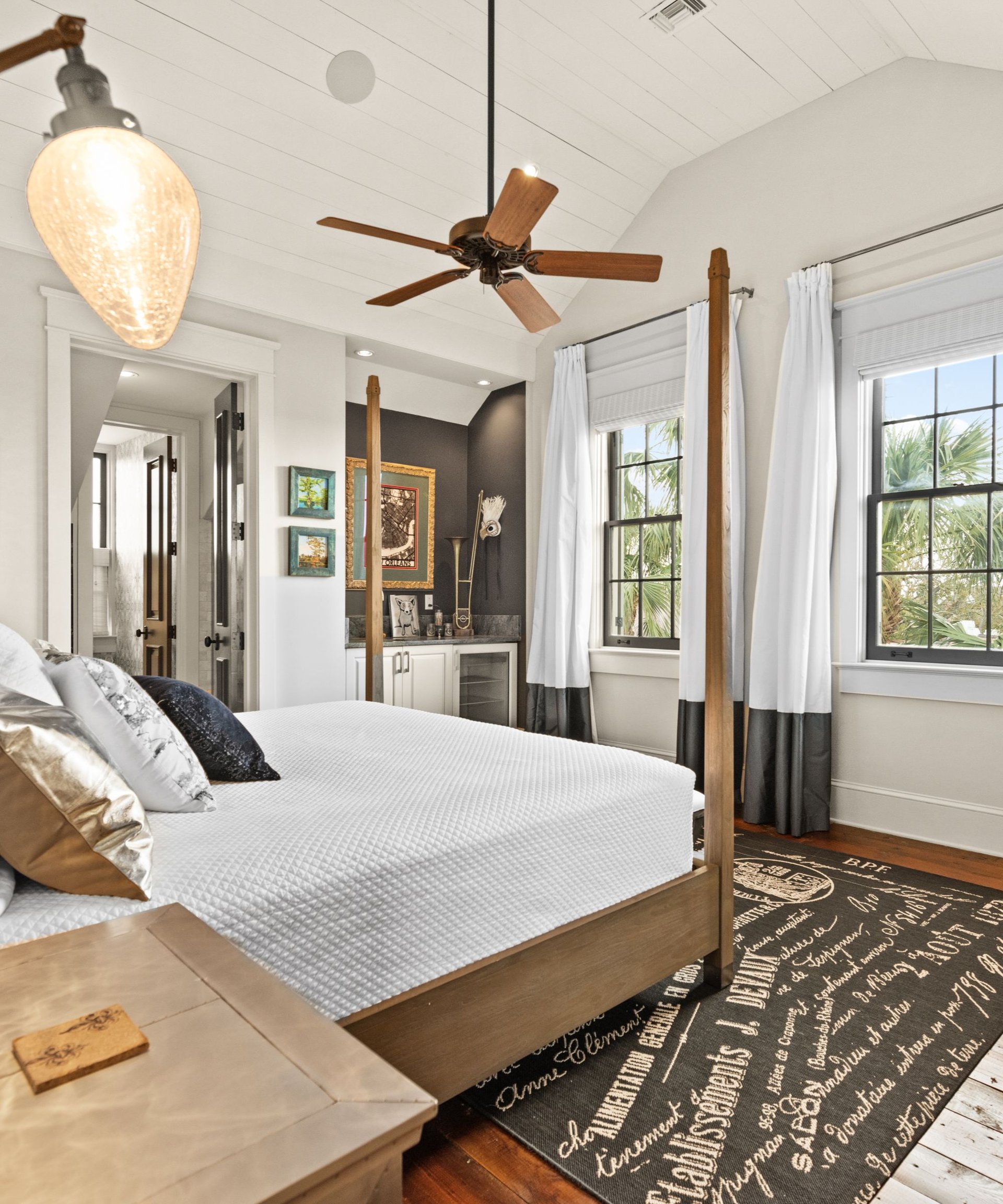
One of the most significant assignments of my real estate career was Fountainhead, the Frank Lloyd Wright-designed residence in Jackson, Mississippi. The residence was completed in 1954 and was eventually acquired by the Mississippi Museum of Art.
The home was extraordinary, but it also presented substantial challenges. There were foundation issues associated with the site’s soil, a nonfunctioning swimming pool, and severe cracks and gaps in its concrete floors.
I discussed these conditions thoroughly with the sellers, and the material issues were fully disclosed to prospective buyers.
That experience reinforced something I believe strongly. The strategy for an important property should not be to minimize its condition. It should be to present both its significance and its physical realities honestly so that the right buyer can make an informed decision.
That same principle applies in New Orleans. A remarkable house is not helped by vague language or selective presentation. It is helped by informed positioning, serious documentation, and transparency.
Practical Guidance for Sellers
If you are preparing to sell a distinctive New Orleans home, I recommend focusing on the following steps:
- Research the property’s background. Gather what you can about the architect, builder, ownership history, notable occupants, and any historically significant connections.
- Define what makes the home distinctive. Be specific about the architecture, materials, layout, setting, craftsmanship, and design character that separate it from competing properties.
- Address deferred maintenance where reasonable. Correcting visible or material issues before listing may improve buyer confidence and reduce negotiation leverage later.
- Organize the documentation. Seller disclosures, repair records, property history, architectural records, photography, floor plans, and other supporting materials can help present the home credibly.
- Invest in professional presentation. Distinctive homes benefit from strong photography and marketing collateral that show the property accurately and persuasively.
- Use targeted editorial storytelling. The description should speak to the buyer who is most likely to appreciate the home, not simply generate broad but shallow attention.
- Set realistic expectations for timing. These homes often require patience because the goal is not any buyer. It is the right buyer.
Positioning the Property for the Buyer Who Will Understand It
Marketing a distinctive New Orleans home requires more than listing it attractively and waiting for the market to respond. Historic, luxury, and architecturally significant properties often need a more patient and disciplined strategy because they appeal to a narrower, more specialized buyer pool.
In my experience, the strongest positioning begins with understanding the home’s story, presenting its architecture thoughtfully, addressing as much deferred maintenance as reasonably possible, and disclosing material issues completely.
When that work is done well, the property has a better chance of reaching the buyer who sees both its significance and its realities clearly.
Considering Selling a Distinctive New Orleans Home?
If you are considering selling a historic, architecturally significant, or otherwise distinctive property in New Orleans or the Gulf South, contact Douglas Adams for a confidential conversation about its history, condition, market positioning, and the strategy required to reach the right buyer.
Frequently Asked Questions
Why does marketing a distinctive New Orleans home usually take longer?
These homes often require a more specialized buyer. The audience is usually smaller, and the buyer may need time to evaluate the property’s design, history, condition, and long-term fit.
What matters most when positioning a historic or architecturally significant home?
In my professional view, the most important elements are credible historical research, strong architectural storytelling, complete disclosure, thoughtful presentation, and realistic preparation before listing.
Should sellers repair deferred maintenance before listing?
Often, yes, to the extent it is reasonable. Addressing visible or material issues may improve first impressions, reduce negotiation pressure, and help protect the seller’s financial position. The appropriate scope depends on the property.
How should sellers handle known condition problems?
Known material issues should be disclosed completely and presented honestly. Trying to soften or obscure them can damage credibility. Serious buyers usually respond better to transparent, well-documented information.
Is standard listing marketing enough for a distinctive home?
Usually not. A distinctive property often needs professional photography, well-prepared collateral, and editorial marketing that explains why the home matters to the specific buyer most likely to value it.
About the Author
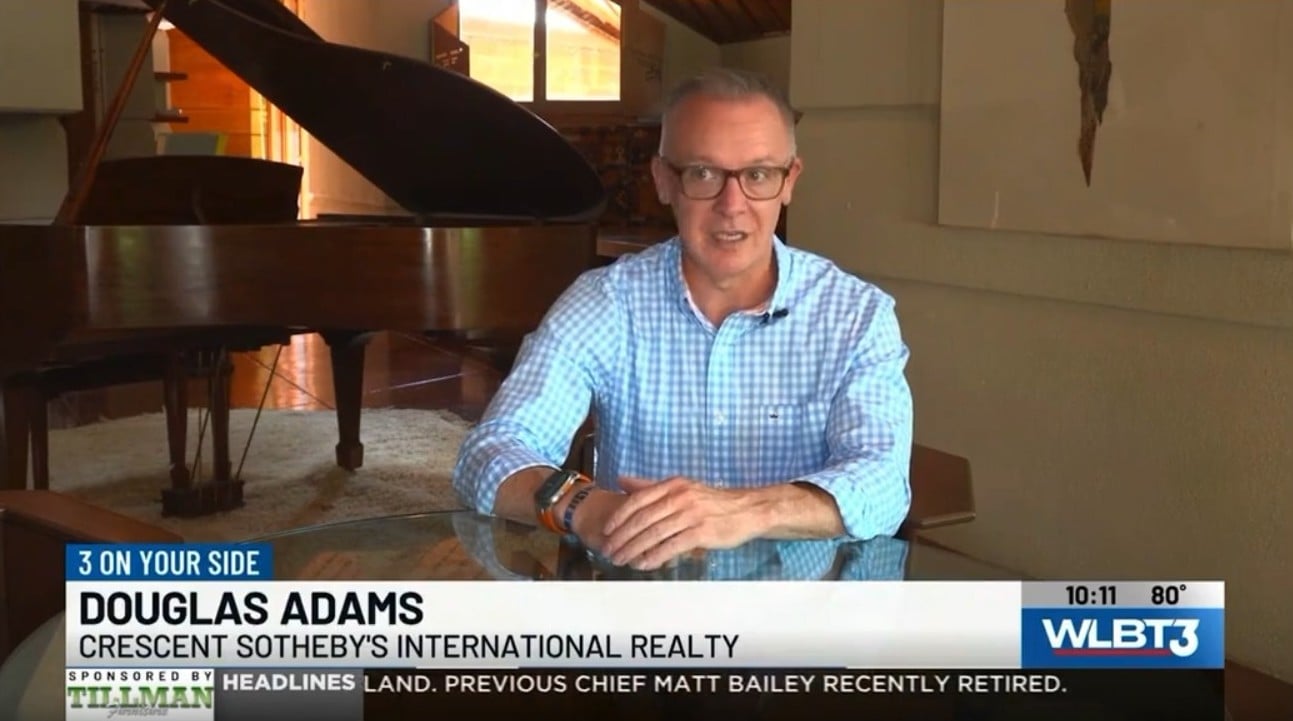
Douglas Adams is a Global Real Estate Advisor with Crescent Sotheby’s International Realty serving Louisiana and Mississippi.
Through The Douglas Adams Editorial Series, he explores the history, architecture, neighborhoods, properties, and communities that make the Gulf South such a remarkable place to call home. His work combines firsthand real estate experience, mortgage-lending knowledge, original photography, and a passion for telling the stories that exist beyond the front door.
Douglas specializes in historic homes, architecturally significant residences, luxury properties, waterfront homes, and distinctive real estate throughout New Orleans, Natchez, the Mississippi Gulf Coast, and the broader Gulf South.