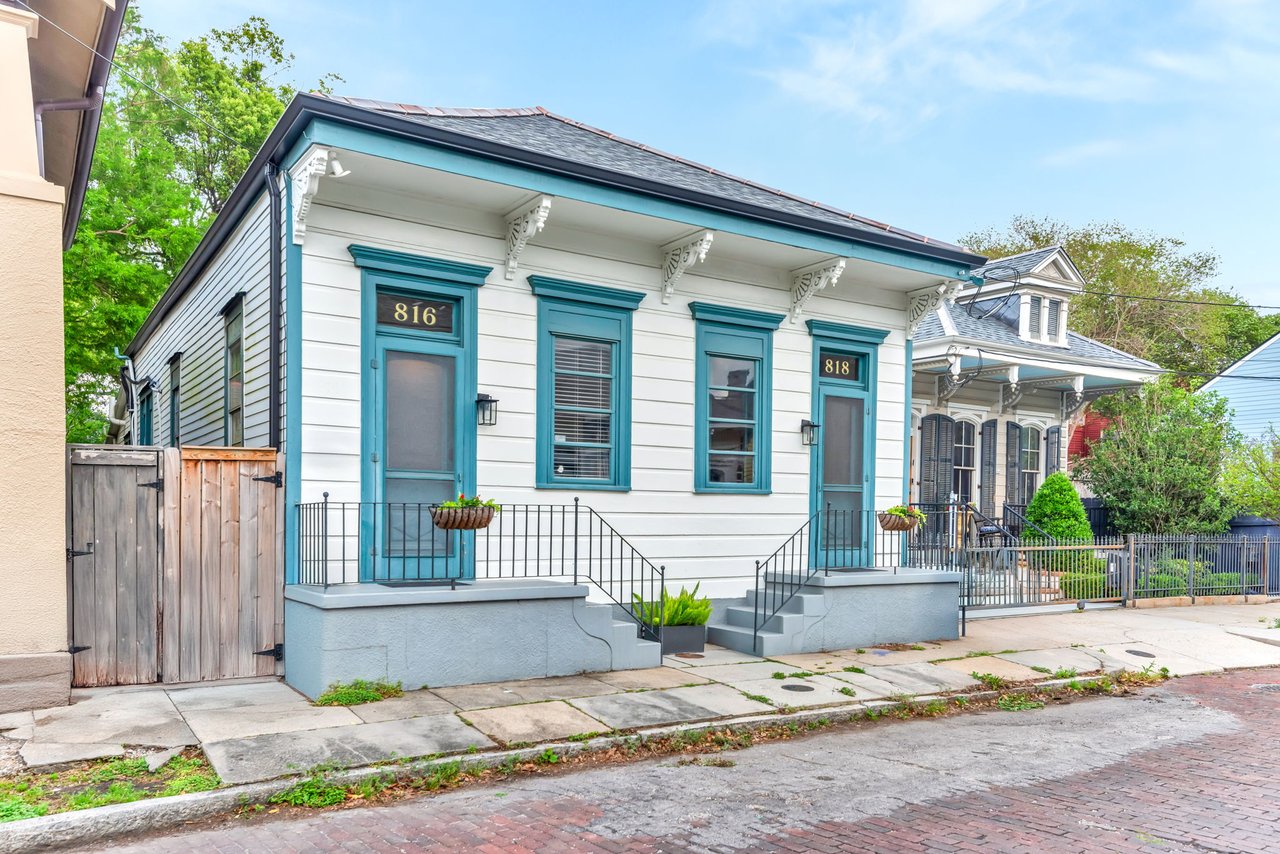
Walk into Casimiro on Louisa Street most mornings and you might find a neighbor in a bathrobe and slippers, standing in line for chilaquiles. Nobody blinks. The Castro sisters who own the place, Ana and Lydia, built it that way on purpose. "There's never a long wait," Lydia told Gambit when Casimiro opened in April. "People don't take a long time to eat, like at Acamaya. Here it's in-and-out as they keep going with their day."
That comparison is the whole story of Bywater right now, and it's worth sitting with. Acamaya, the sisters' first restaurant a block away on Dauphine Street, made the New York Times' restaurant list, earned a Michelin Bib Gourmand, and landed at No. 30 on North America's 50 Best Restaurants. Ana Castro is a current finalist for the James Beard Award for Best Chef: South. Casimiro is the opposite bet from the same two people. Fifty-two seats, breakfast tacos, house-nixtamalized tortillas, no reservations, closed Tuesdays and Wednesdays. One restaurant was built to be found by people flying in for a meal. The other was built for the people who already live within walking distance of both. That split isn't an accident, and once you notice it, you start seeing the same instinct everywhere else something new is going up in this neighborhood this year.
Two Restaurants, One Rule
Casimiro opened in mid-April at 800 Louisa Street, in a corner space that had most recently held Alma, chef Melissa Araujo's modern Honduran restaurant, which closed after she lost the lease. The Castro sisters, who grew up in Mexico City and now live in Bywater close enough to walk to both of their restaurants, named the new spot after their father's childhood nickname. The menu leans on what Ana calls the foods of her own upbringing: chilaquiles, huevos con machaca, molletes, tamales on weekends, café de olla and mango micheladas at the bar. Chef de cuisine Calder Styer, a Baltimore native who came up through Bacchanal and Molly's Rise and Shine before joining Acamaya's kitchen, now runs the pass here too.
None of that reads like a restaurant trying to win awards. It reads like two sisters building the place they wished existed when they wanted chilaquiles on a Sunday. Ana Castro put it plainly to Gambit: Acamaya is "modern and contemporary, from the interior and plating to the music we play," while "everything about Casimiro is traditional, the foods of our childhood." She's not describing a downgrade. She's describing a second, deliberately smaller economy sitting right next to the first one, built for a different customer entirely.
The Same Restraint on Independence Street
A few blocks over, the same logic showed up in a coffee shop build-out. Leslie Cain and Ben Moulton spent last winter renovating the former bakery space at 901 Independence Street into Snake Oil Coffee, working toward the spring 2026 opening they announced to What Now New Orleans. Cain told the outlet she's "kind of obsessive" about preserving the building's historic architectural details rather than gutting the space for a fresh look. Moulton, a craft cocktail veteran, planned to fold espresso tonics and shaken drinks into a menu that still leads with classic café pours.
That's a small decision with a bigger tell inside it. A new coffee shop chasing foot traffic from outside the neighborhood usually strips a space down to something photogenic and replicable. Snake Oil Coffee is doing the opposite: keeping the bones of an old New Orleans house intact and building something contemporary inside them, the same move Casimiro made when it kept its Mexican breakfast counter unglamorous on purpose. Two different owners, two different businesses, one shared read on what the neighborhood actually wants from something new.
Second Saturday Never Needed a Rebrand
This pattern didn't start this year. The Second Saturday Art Walk along St. Claude Avenue began just after Hurricane Katrina, when four galleries, Farrington's, The Skull Club, New Orleans Art Noir and Barrister's, agreed to open their new exhibitions on the same night to pull people back into the corridor. More than two decades later, the format hasn't changed: 6 to 9 p.m. on the second Saturday of every month, free to walk into, no ticket, no curated experience layer added on top. What has changed is the scale. More than 20 independent venues now participate each month, a real jump from the four galleries who started it, and the walk still runs on the same volunteer, come-as-you-are premise it had in 2005.
The neighborhood keeps its lower-key civic rituals running the same way. The Bywater Marigny Business Organization hosts a volunteer street cleanup on the third Saturday of every month, starting at Pepp's Pub, with coffee and trash bags provided. Nobody is marketing that to visitors. It's maintenance, done by the people who live there, on a schedule nobody outside the neighborhood would think to look up. That's the texture of a place that isn't performing for anyone, and it's the same texture running underneath both Casimiro's slow mornings and Snake Oil's careful renovation.
Twenty Acres Finally Waking Up, In the Same Order
The clearest version of this pattern is happening on the biggest piece of land in the neighborhood. The former Naval Support Activity base on Poland Avenue has sat vacant since 2011, twenty acres of derelict buildings behind a chain-link fence. As of last December, that changed. Construction on Phase One officially began this January, and it's still underway: 294 affordable apartment units and 37,000 square feet of retail space, expected to finish over the next two years. Only after that groundwork is laid does Phase Two arrive, converting a third building on the site into an Innovation Center anchored by Newlab, a Brooklyn-based startup incubator backed by a $50 million public-private investment and expected to open this fall.
Councilman Freddie King described the appeal in blunt terms last fall, as the city worked to clear the site ahead of demolition: the project adds housing and economic development to the city, and there were already preliminary talks about a grocery store outlet coming to the property. That's not a flashy pitch. It's the same sequencing showing up in the food scene: put in the thing residents actually need first, apartments, retail, maybe groceries, and let the headline-grabbing tech hub open second, once the foundation is already serving the block.
"I was shocked because nothing's been done for such a long time, and I'm really glad that something is being done." — Peggy, Bywater resident, speaking to WGNO about the base's redevelopment
Fifteen years of nothing on twenty acres makes any movement feel significant, and the order this project is unfolding in tells you something about what actually got prioritized when the money finally showed up.
What This Adds Up To
None of this looks like a neighborhood trying to be discovered. A chef with a nationally ranked restaurant chose to open her second project as the anti-destination version of the first. A new café spent months protecting the bones of an old bakery instead of erasing them. A two-decade-old art walk hasn't needed a rebrand to keep growing. And the biggest redevelopment in Bywater in over a decade is putting housing and retail ahead of the ribbon-cutting everyone will actually read about. Every one of those decisions answers the same question first: who is this really for.
If you already live in Bywater, that's worth knowing next time you're deciding where to get breakfast or what the construction crews on Poland Avenue are actually building. And if you're weighing what comes next for your own address here, whether that means timing a sale around what's landing two blocks over or understanding how a changing corridor affects your property's story, G. Douglas Adams can walk through it with you. Schedule a private consultation when you're ready to talk specifics.