THE DOUGLAS ADAMS EDITORIAL SERIES
Market Insight • Property Strategy • Gulf South Real Estate
Quick Answer
What is it like to live near Coliseum Square in the Lower Garden District?
The experience is shaped by more than the neighborhood’s historic architecture and proximity to Magazine Street. Coliseum Square serves as a genuine community center—a place for walking, gathering, neighborhood events, volunteer projects, and occasional live music.
The surrounding neighborhood also reflects a long tradition of resident involvement. The organization now known as the Lower Garden District Association began in 1972, when preservation-minded residents organized during a consequential period in the neighborhood’s history.
For buyers considering the Lower Garden District, that combination of architecture, public space, walkability, and civic participation is an important part of understanding what ownership here can mean.
Coliseum Square Is More Than a Park
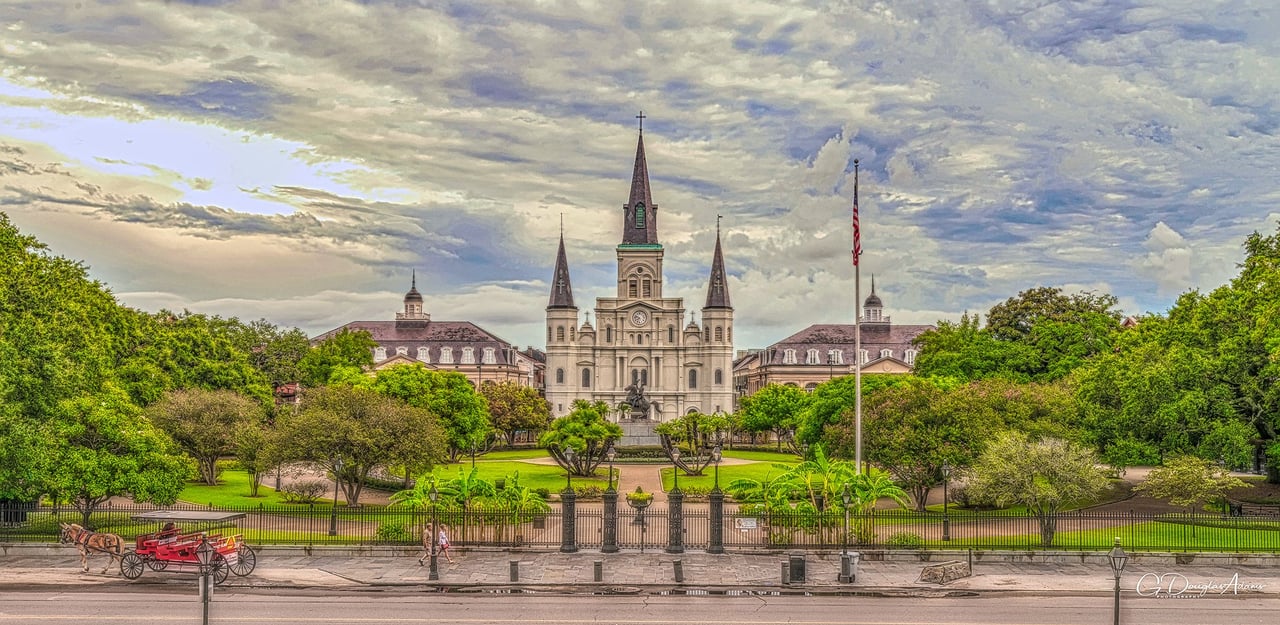
Coliseum Square is one of the defining spaces of the Lower Garden District.
Surrounded by historic residences and connected to neighboring blocks through an unusual network of streets and smaller public spaces, the park gives the area a physical and social center. Residents use it for walking, exercising, gathering with friends, spending time with dogs, and participating in neighborhood events.
That may sound like a small distinction, but it matters.
Many New Orleans neighborhoods have beautiful architecture. Fewer have a public space that feels so closely integrated into everyday residential life.
The park is not separated from the neighborhood by a major boulevard or hidden behind a formal entrance. It is part of the neighborhood’s circulation. People encounter it while walking between home and Magazine Street, moving through the surrounding blocks, or simply spending time outside.
For a buyer, living near Coliseum Square is therefore not only about owning a historic home. It can also mean living near a shared outdoor space that residents actively use and support.
A Neighborhood Designed Around Public Space
The relationship between the park and the surrounding neighborhood is not accidental.
The Lower Garden District began taking shape in the early nineteenth century through plans associated with architect and planner Barthélémy Lafon. His ambitious design incorporated interconnected streets, parks, basins, fountains, and classical references.
Several nearby streets were named for figures from Greek mythology, including muses associated with music, dance, and the dramatic arts. That history remains visible in names such as Terpsichore, Melpomene, and Euterpe.
The original vision was never completed exactly as conceived, but the surviving street pattern and public spaces still distinguish this part of New Orleans.
The neighborhood’s National Register documentation identifies Coliseum Square and the Magazine Street commercial corridor as significant elements of the district. The result is a neighborhood where residential architecture, commercial activity, and public space sit unusually close together.
That arrangement continues to influence daily life. A resident can move from a quiet residential block to the park and then to restaurants, shops, and services along Magazine Street without leaving the neighborhood’s historic fabric.
Jazz in Coliseum Square Park
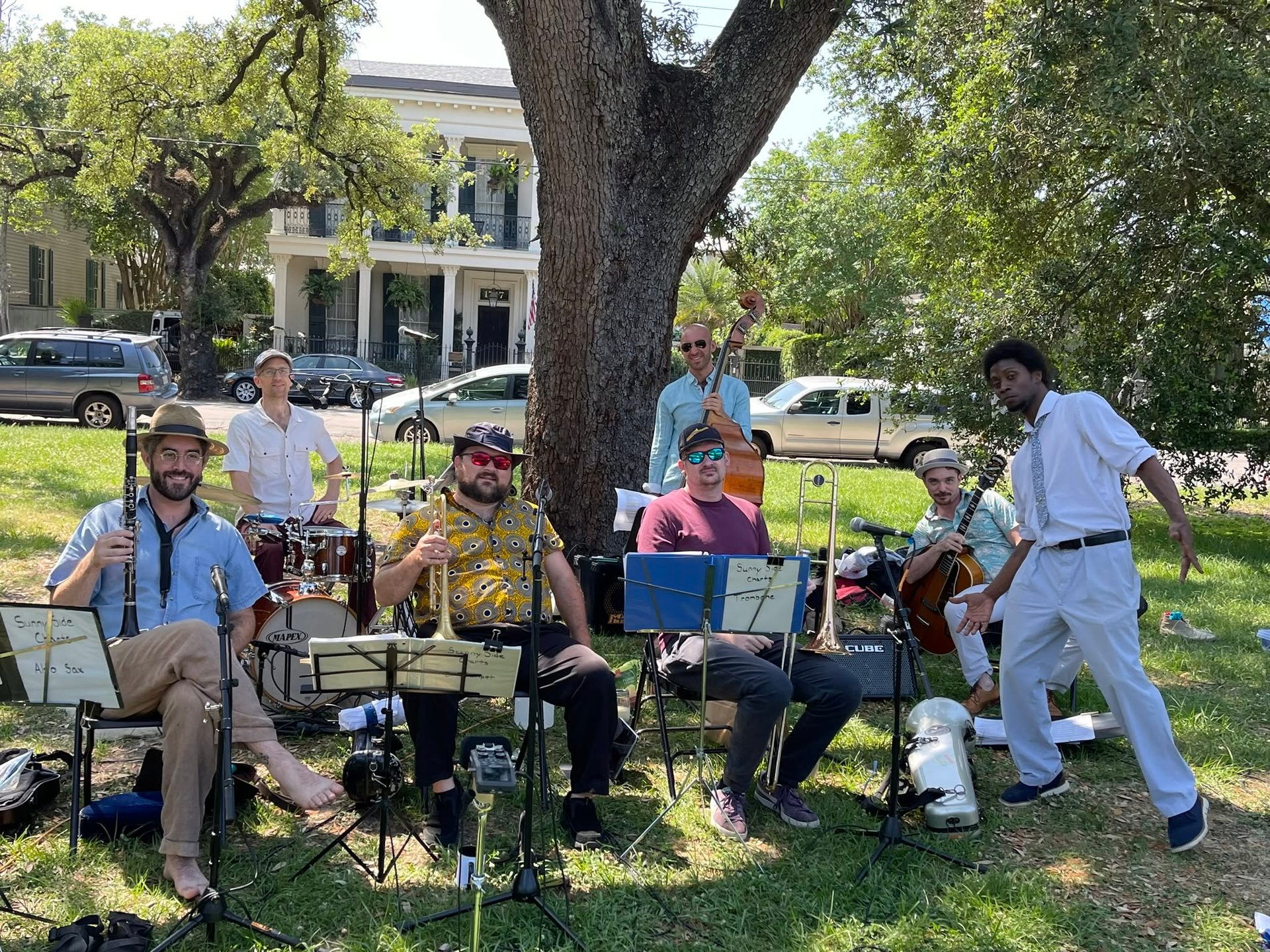
One of the traditions that illustrates the park’s role is Sunny Side’s Jazz in Coliseum Square Park series.
Sunny Side is a New Orleans jazz band influenced by the music of artists such as Louis Armstrong and Duke Ellington. The band’s published schedule describes the Coliseum Square series as continuing on selected Sundays, generally once or twice during an active month.
The performances are free and informal. They invite people to arrive with a chair or blanket and experience live music without a formal venue, ticket line, or tightly structured event.
That kind of gathering says something meaningful about the Lower Garden District.
The music is important, but so is the setting: a neighborhood park surrounded by historic homes, filled temporarily with musicians, nearby residents, families, dogs, and people who may not have planned to attend until they heard the band.
Scheduled dates can change, so residents and visitors should confirm upcoming performances through Sunny Side’s official calendar. The larger point is that Coliseum Square continues to function as a place where neighborhood life happens naturally.
The Organization Behind Decades of Preservation
The Lower Garden District’s present character also reflects decades of resident advocacy.
The organization now known as the Lower Garden District Association began as the Coliseum Square Association in 1972. Its early members organized during a period when the neighborhood faced deterioration, demolition, and major infrastructure proposals.
One of the most consequential issues was a proposed second Mississippi River bridge crossing between Race and Felicity streets. Residents opposed the proposal, pursued historic recognition for the neighborhood, and helped defeat that proposed alignment.
According to the Preservation Resource Center, the neighborhood was placed on the National Register of Historic Places in 1974, the bridge proposal was defeated that same year, and a Camp Street ramp associated with the earlier plan was ultimately removed in 1994.
That history matters because it demonstrates that preservation here was not inevitable.
The architecture and public spaces buyers value today survived partly because residents organized, advocated, raised money, and continued paying attention after the immediate crisis had passed.
The association remains volunteer-led and continues working on neighborhood initiatives, public-space maintenance, cleanups, community events, and preservation concerns.
Restoring and Maintaining the Park
The fountains and landscape features around Coliseum Square also illustrate the role of private stewardship within public space.
The Lower Garden District Association reports that it restored the Coliseum Square Fountain in 2007. It later raised money toward restoring the Lafon Fountain and establishing support for its continued maintenance.
The association’s work has included park cleanup days and maintenance efforts intended to supplement the level of care provided by the city.
This does not mean the park is privately owned or that public agencies have no role. It means residents have repeatedly contributed time, advocacy, and money to protect features they believe are important to the neighborhood.
For buyers, that history can be reassuring, but it also reveals something about the culture of the area. The Lower Garden District has a tradition of residents becoming involved rather than assuming someone else will protect every element of the neighborhood.
Architecture and Everyday Ownership
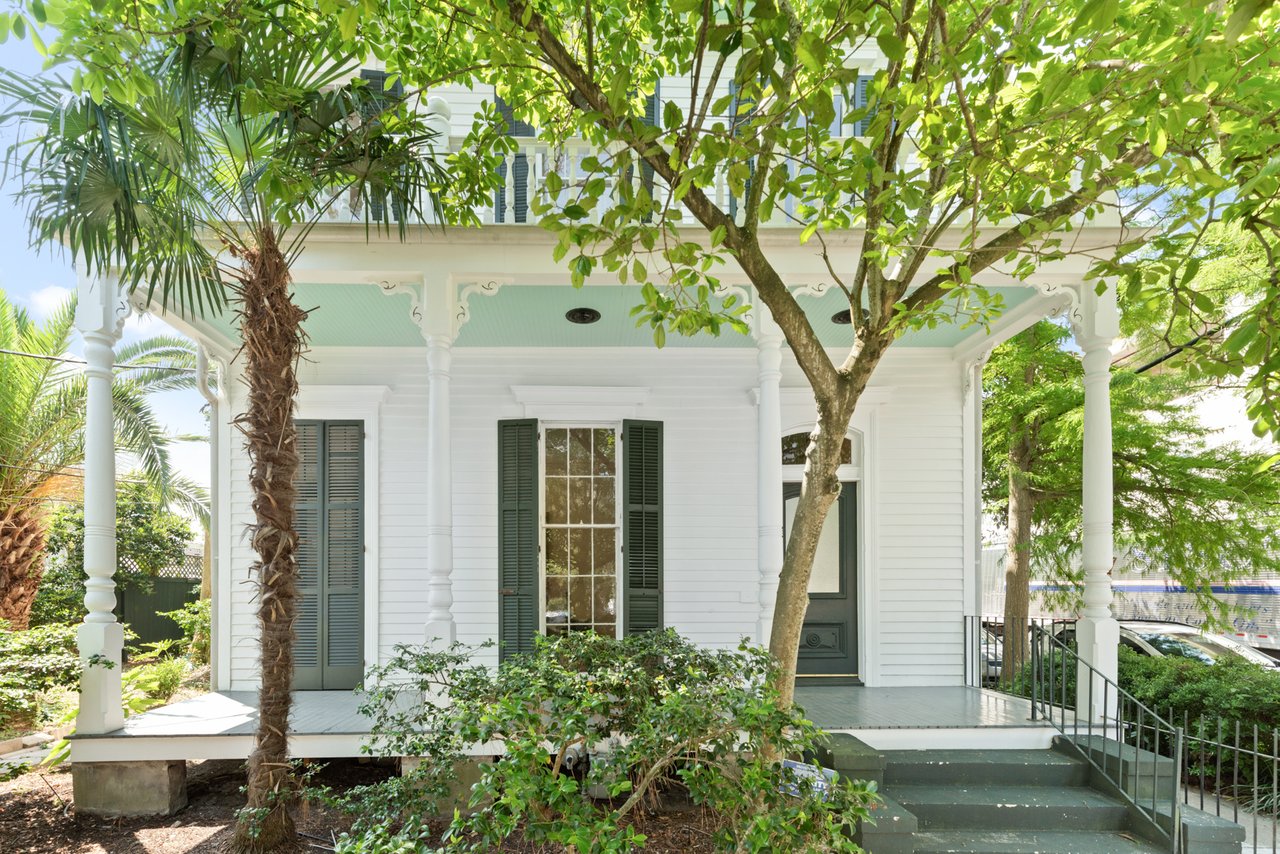
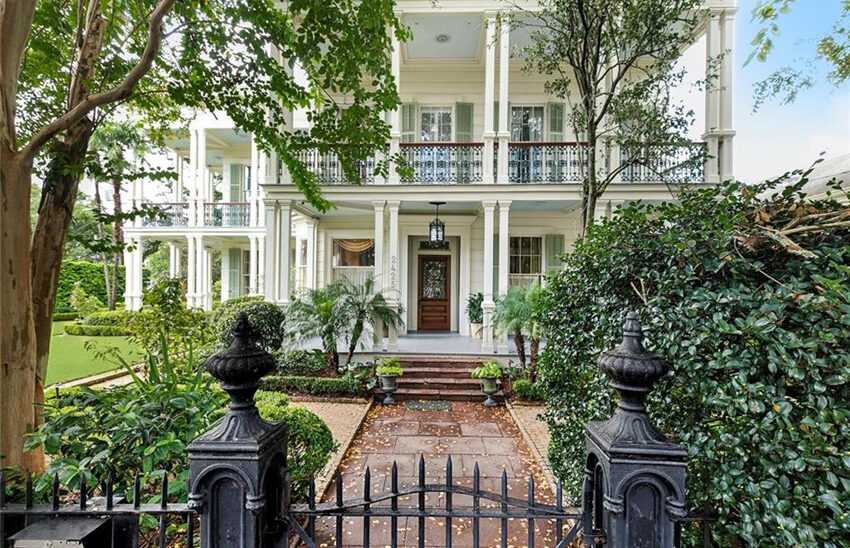
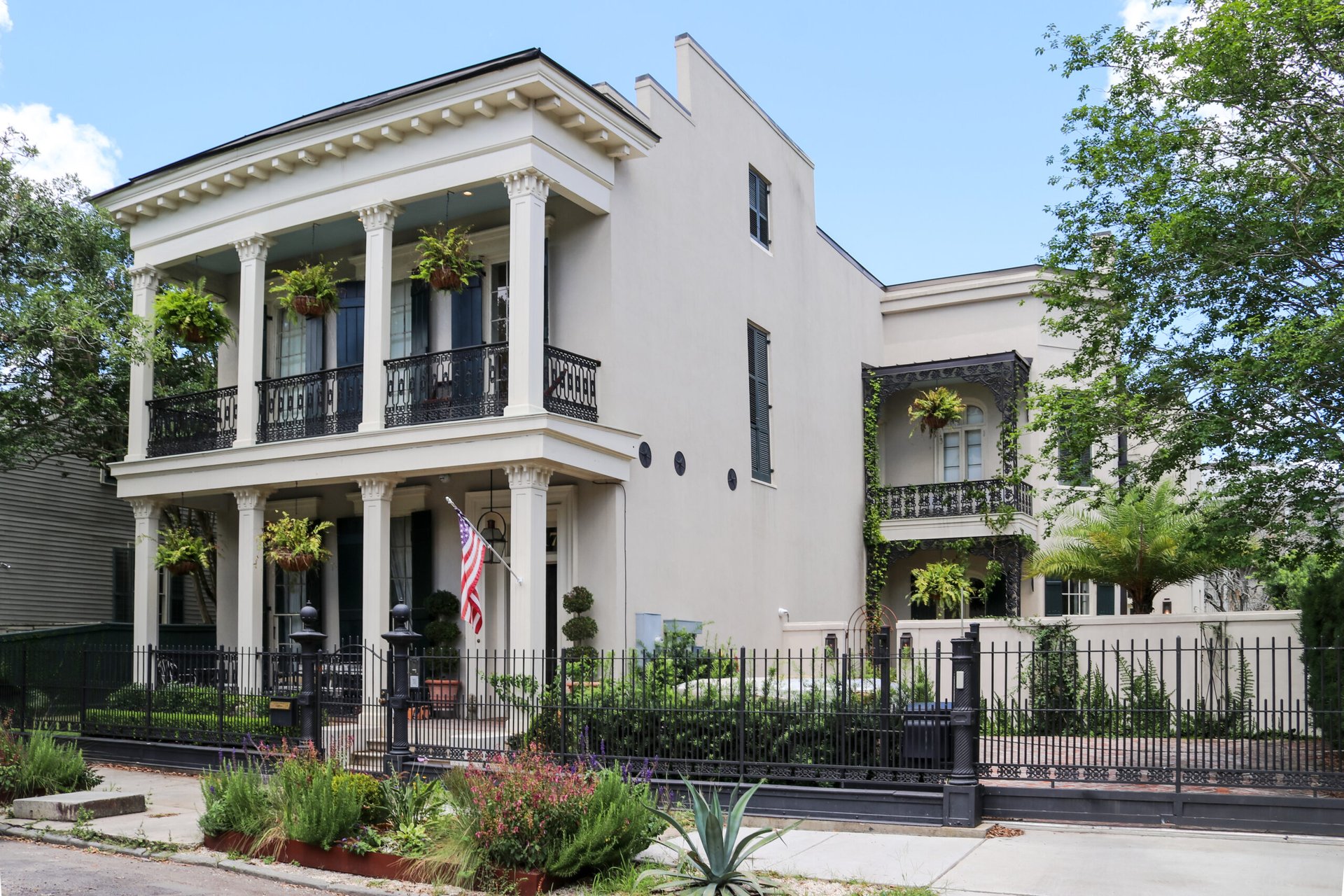
The Lower Garden District contains an architecturally varied collection of cottages, townhouses, row houses, Greek Revival residences, later nineteenth-century buildings, condominiums, and converted properties.
Buyers are often drawn first to the visual experience: deep porches, tall openings, shutters, galleries, courtyards, brick sidewalks, mature trees, and the relationship between individual buildings and the street.
The practical ownership experience deserves equal attention.
Depending on the property, buyers may need to evaluate:
- Historic-district status and exterior-work requirements
- Renovation and permit history
- Foundation and structural condition
- Roof age and maintenance
- Termite and moisture history
- Insurance and flood considerations
- Parking availability
- Condominium documents and assessments
- Outdoor-space expectations
- Proximity to commercial activity and major traffic routes
Two properties only a few blocks apart may offer very different experiences. One may provide dedicated parking and a private courtyard. Another may offer greater architectural character but require street parking, more maintenance, or closer proximity to active commercial uses.
The neighborhood name alone does not answer those questions. Buyers need to evaluate the specific address and the way it functions within its block.
What Living Near Coliseum Square Can Offer
For the right buyer, the area around Coliseum Square offers a compelling balance.
It provides historic architecture without feeling disconnected from everyday neighborhood activity. Magazine Street is nearby, downtown is accessible, and the park gives residents a shared outdoor space that feels integrated into daily life.
The neighborhood can appeal to buyers who value:
- Walkability
- Historic architecture
- Access to restaurants and neighborhood businesses
- Public green space
- A strong sense of place
- Proximity to downtown New Orleans
- An established tradition of neighborhood involvement
It may be less suitable for buyers who require abundant private outdoor space, guaranteed off-street parking, newer construction, or distance from urban activity.
Neither conclusion is universally right or wrong. The question is whether the property and neighborhood support the way the buyer actually wants to live.
My Perspective on the Lower Garden District
I believe buyers understand a New Orleans neighborhood more clearly when they look beyond architectural style and study the institutions that hold the place together.
In the Lower Garden District, Coliseum Square is one of those institutions. So is the neighborhood association. So are the preservation efforts, volunteer projects, local traditions, and ordinary patterns of daily use that continue year after year.
A beautiful house can attract someone to a neighborhood. The experience outside the front door often determines whether that neighborhood truly feels like home.
That is why I encourage buyers to spend time walking the surrounding blocks, visiting at different times of day, evaluating parking and transportation, and observing how public space is actually used before making a decision.
The Bottom Line
Living near Coliseum Square means living within one of New Orleans’ most architecturally significant and civically engaged neighborhoods.
The park, the surrounding street plan, the jazz performances, and the Lower Garden District Association’s preservation work all contribute to a sense of community that cannot be measured by square footage alone.
For buyers considering property in the Lower Garden District, the right decision begins with understanding both the home and the neighborhood around it.
If you are considering buying or selling a home in the Lower Garden District, contact Douglas Adams to discuss the property, its architecture, its market position, and how the surrounding neighborhood may affect the ownership experience.
Frequently Asked Questions
What is it like to live near Coliseum Square?
Living near Coliseum Square offers access to historic architecture, public green space, Magazine Street businesses, neighborhood events, and convenient proximity to downtown. The experience varies by block and property, particularly regarding parking, privacy, noise, condition, and outdoor space.
Are there free jazz performances in Coliseum Square Park?
Sunny Side schedules free Jazz in Coliseum Square Park performances on selected dates. Because dates and frequency can change, confirm upcoming performances through the band’s official calendar.
Who maintains Coliseum Square Park?
Coliseum Square is a public park. The City has responsibilities for public space, while the Lower Garden District Association and neighborhood volunteers have also supported fountain restoration, cleanups, advocacy, and supplemental maintenance initiatives.
Is the Lower Garden District a historic district?
The Lower Garden District was added to the National Register of Historic Places in 1974. Buyers should separately verify whether a specific property is subject to local historic-district regulation and what approvals may apply to proposed exterior work.
What should buyers investigate before purchasing in the Lower Garden District?
Buyers should evaluate the property’s condition, insurance, flood information, parking, renovation and permit history, historic-district status, outdoor space, proximity to commercial activity, and recurring ownership costs.
About the Author
Douglas Adams is a Global Real Estate Advisor with Crescent Sotheby’s International Realty serving Louisiana and the Mississippi Gulf Coast.
Through The Douglas Adams Editorial Series, he explores the history, architecture, neighborhoods, and communities that make the Gulf South such a remarkable place to call home. His work combines firsthand real estate experience, architectural perspective, research, photography, and a commitment to telling the stories that exist beyond the front door.